Cbd for pain management review
All about Cbd for pain management
Cannabidiol (CBD) has gained popularity as a promising complementary therapy for a variety of health problems, including anxiety, epilepsy, and pain management. Are you looking for the best CBD oil for pain relief? If you’re interested in CBD oil for pain relief, it’s important to know what to look for, which can be difficult when there are so many products hitting the market. That’s why we’ve put together a list of the 10 best CBD oils for pain relief based on our research and feedback from other CBD users.
CBD oil is becoming increasingly popular as a natural treatment for a variety of health conditions, including pain relief. It has become a favorite primarily among those dealing with chronic pain looking for a natural relief solution without using opioids or other drugs that can have side effects.
Cannabidiol, commonly referred to as CBD, is a new and relatively understudied treatment for pain, including back pain. Studies show that it can help relieve inflammation, which is often a factor in chronic back pain.
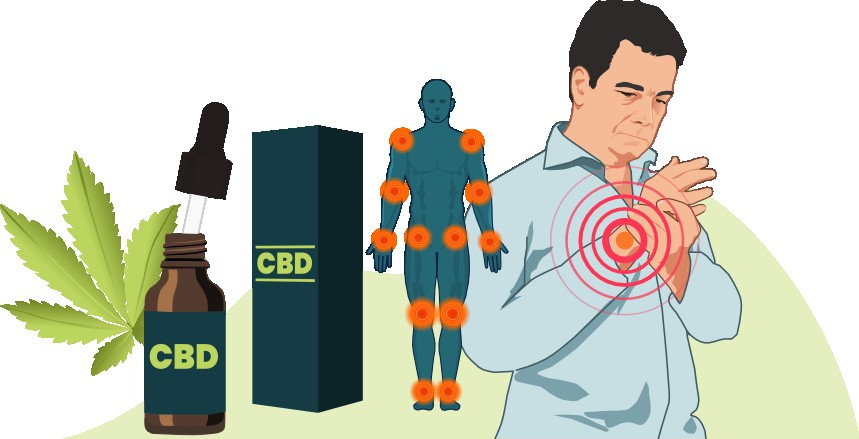
CBD is available in many forms. Topical creams and gels have shown promising results for inflammation and neuropathy, which may make them a good option for back and neck pain. 2
See Medications for neuropathic pain
CBD Ways to Treat Back Pain
Research shows that CBD can reduce back pain by:
Reducing inflammation 3
Coping with anxiety is often associated with long-lasting or chronic back pain.
Aiding sleep and improving the overall state of relaxation 5
Some studies suggest that CBD may have an effect on how a person perceives pain, but more robust research is needed. CBD is generally considered a holistic treatment, which means it doesn’t specifically target back pain—with the exception of topical products—but contributes to an overall feeling of relaxation and pain relief. .
Cannabidiol (CBD) is often covered in the media, and you may find it as an add-in booster to your post-workout smoothie or morning coffee. You can even buy a CBD-infused sports bra. But what exactly is CBD? And why is it so popular?
How is cannabidiol different from marijuana, hemp and cannabis?
CBD, or cannabidiol, is the second most common active ingredient in hemp (marijuana). Although CBD is an essential component of medical marijuana, it is derived directly from the hemp plant, a cousin of marijuana, or produced in a laboratory. One of the hundreds of ingredients in marijuana, CBD itself does not cause a “high.” According to a report by the World Health Organization, “In humans, CBD does not show any effects indicating any potential for abuse or dependence….To date, there are no public health concerns related to the use of pure CBD. There is no evidence of problems.”
Is Cannabidiol Legal?
CBD is readily available in most parts of the United States, although its exact legal status has been in flux. All 50 states have laws legalizing CBD with varying degrees of restriction. In December 2015, the FDA relaxed regulatory requirements to allow researchers to conduct CBD trials. In 2018, the Farm Bill legalized hemp in the United States, making it virtually impossible to keep CBD illegal — it would be like legalizing oranges, but keeping orange juice illegal.
Protect yourself from the damage of chronic inflammation.
Science has shown that chronic, low-grade inflammation can turn into a silent killer that leads to heart disease, cancer, type 2 diabetes and other conditions. Get simple tips to fight inflammation and stay healthy — from experts at Harvard Medical School.
See Protect yourself from the damage of chronic inflammation.
The farm bill removed all hemp-derived products, including CBD, from the Controlled Substances Act, which criminalizes possession of the drug. In essence, this means that CBD is legal if it comes from hemp, but not if it comes from hemp (marijuana) – even though it’s the exact same molecule. Currently, many people obtain CBD online without a medical marijuana license, which is legal in most states.
Evidence for the health benefits of cannabidiol
CBD has been considered for a variety of health problems, but the strongest scientific evidence is for its effectiveness in the treatment of some severe childhood epilepsy syndromes, such as Dravet syndrome and Lennox-Gastaut syndrome (LGS), which are common. They do not respond. For disinfectants. In several studies, CBD was able to reduce the number of seizures, and, in some cases, stop them altogether. Epidiolex, which contains CBD, is the first hemp-derived drug approved by the FDA for these conditions.
Animal studies, and self-reports or research in humans, suggest that CBD may also help:
Anxiety studies and clinical trials are exploring the common report that CBD can reduce anxiety.
Insomnia. Studies show that CBD can help with both falling asleep and staying asleep.
Chronic pain. More human studies are needed to substantiate claims that CBD helps control pain. Animal studies in the European Journal of Pain show that CBD can help reduce pain and inflammation caused by arthritis when applied to the skin. Other research indicates how CBD can prevent inflammation and neuropathic pain, which are difficult to treat.
Addiction According to some research in humans, CBD can help reduce cravings for tobacco and heroin under certain conditions. Animal models of addiction suggest that it may also help reduce cravings for alcohol, cannabis, opiates and stimulants.
Side effects of CBD include nausea, fatigue and irritability. CBD can increase the levels of blood thinners and other drugs in your blood by antagonizing the liver enzymes that break down these drugs. Grapefruit has a similar effect with some medications.
People who take high doses of CBD may show abnormalities in liver blood tests. Many over-the-counter medications, such as acetaminophen (Tylenol), have the same effect. Therefore, you should tell your doctor if you are using CBD regularly.
There’s no such thing as a little stroke…
Stroke is the fifth leading cause of death and a leading cause of disability in the United States. Learn from experts at Harvard Medical School how to understand your stroke risk, evidence-based steps that can reduce your risk, how to recognize the early signs of a stroke, and how to get fast brain-saving treatment. What should be done for
A major safety concern with CBD is that it is primarily marketed and sold as a supplement, not a medicine. Currently, the FDA does not regulate the safety and purity of dietary supplements. Therefore, you cannot be sure that the product you buy contains the active ingredients in the dosage listed on the label. In addition, the product may contain other unknown elements. We don’t even know the most impact.
See Techniques for Coping with Chronic Pain – Pain Management
Proponents of CBD believe it can be used to treat many conditions besides back pain, such as anxiety disorders.
Understanding CBD (Cannabidiol) for Back Pain
Consider Different CBD Products for Back Pain
CBD needs more research to prove and define its effectiveness, as well as to better understand potential side effects (especially long-term) and potential drug interactions.
CBD, or cannabidiol, is a compound found in the hemp plant. Unlike its more popular counterpart, THC, CBD is not psychoactive, meaning it won’t get you high. However, it still has a positive effect on the body by reducing inflammation and pain signals sent to the brain. CBD is known for its pain-relieving benefits and its many other uses.
A quick look at some of the best CBD for pain management
- Best for Arthritis: Charlotte’s Web Arthritis Aches and Pain Relief Ointment
- Best for a cooling effect: Charlotte’s Web Hemp Infused Cooling Gel with CBD
- Best for muscles and joints: CBDfx CBD cream for muscles and joints
- Best for minor pain: CBDMedic Massage Therapy Pain Relief Oil
- Best for stress relief: Wortly Relief Lotion
- Best for Patch Relief: PureKana CBD Transdermal Patch
CBD is one of several cannabinoids naturally present in the hemp plant. There is a wide range of CBD products, including oils, tinctures, balms and candies, all of which can help people experiencing physical pain.
This article discusses how CBD products can help relieve chronic pain. It also provides a list of potentially effective CBD products that have undergone extensive third-party testing for safety.
Is CBD Legal? The 2018 Farm Bill removed hemp from the legal definition of marijuana in the Controlled Substances Act. It made certain hemp-derived CBD products with less than 0.3 percent THC federally legal. However, CBD products containing more than 0.3 percent THC still fall under the legal definition of marijuana, making them illegal federally but legal under some state laws. Be sure to check state laws, especially when traveling. Also, keep in mind that the FDA has not approved over-the-counter CBD products, and some products may be mislabeled.
What is CBD?
CBD is one of the trusted sources of many cannabinoids found in the hemp plant. The term cannabinoid refers to substances found within plants, with CBD and delta-9-tetrahydrocannabinol (THC) being two notable examples. THC is the compound responsible for the “high” that people may associate with cannabis. CBD is a different cannabinoid that won’t make a person feel high on its own.
The human body has a complex network of neurotransmitters and cannabinoid receptors called the endocannabinoid receptor system (ECS) Trusted Source. Research shows that cannabinoids, such as CBD, and the ECS may play a role in many physiological processes, such as pain regulation.
Is CBD effective in pain management?
There are endogenous and exogenous cannabinoids. Endogenous cannabinoids are naturally occurring lipids produced by the body. The two most well-known endogenous cannabinoids are anandamide (AEA) and 2-arachidonoylglycerol.
The body does not produce exogenous cannabinoids – these compounds are part of the cannabis plant. Examples of exogenous cannabinoids include:
- CBD
- THC
- cannabichromene
- Cannabigerol
Cannabinoids, both endogenous and exogenous, bind to endocannabinoid receptors attached to cells. These include the cannabinoid 1 and cannabinoid 2 receptors. This binding process triggers various cellular responses that affect pain signaling pathways.
CBD does not bind very well to endocannabinoid receptors. However, a study in mice found that it can interact with nerve receptors in the spinal cord that suppress chronic inflammatory pain. CBD Trusted Source can also strengthen the effects of AEA, an endogenous cannabinoid that reduces pain.
According to a small 2018 study, researchers examined the pain-relieving effects of CBD in seven people who experienced chronic pain after a kidney transplant. Six of seven participants reported an improvement in pain. One of the participants experienced more pain at higher CBD doses but had better pain control at lower doses of CBD.
In a 2015 animal study, researchers found that topical CBD reduced arthritis-related joint swelling and pain in mice. According to the authors, effective doses range from 6.2 to 62 milligrams (mg) per day.
Although more research, such as large-scale, high-quality clinical trials, is still necessary, these preliminary studies suggest that CBD may help manage pain. A 2021 study by Trusted Source also notes that research participants have positive attitudes toward CBD treatment options and report positive outcomes when using the substance for pain-related conditions.
How to Use CBD Safely
CBD comes in several different forms, including:
- Oils and tinctures
- gummies
- Oral capsules or tablets
- Creams, balms, and salves
- Conditions patch
CBD gummies and capsules are for oral ingestion. On the other hand, topical CBD products are for external use only. People can apply these products to specific areas of the body, such as sore muscles or sore joints.
CBD oil and tinctures are more versatile than other forms and usually come in colored glass bottles with droppers. People can either add a few drops of CBD oil to food or drink or place a few drops under their tongue, where they can hold the oil for 1 minute before swallowing.
Individuals should follow the directions and dosage information on the CBD product label.
Learn more about CBD dos.
Comparison chart
The table below compares each of the CBD products in this article.
CBDfx CBD Cream For Muscle & Joint Charlotte’s Web Arthritis Aches and Pain Relief Ointment Charlotte’s Web Hemp-Infused Cooling Gel with CBD CBDMedic Massage Therapy Pain Relief Oil Vertly Relief Lotion PureKana CBD Transdermal Patches
Best for muscle and joints arthritis a cooling effect minor aches reducing tension patch relief
Form cream cream gel oil lotion patch
Type broad-spectrum THC-free hemp oil full-spectrum THC-free hemp oil full-spectrum full-spectrum THC-free
Strength 500 mg, 1000 mg, 3000 mg 600 mg 510 mg 200 mg 155.67 mg 60 mg
Price $39.99–129.99 $29.99 $39.99 $29.99 $48 $17.99
Advantages and disadvantages
There are various pros and cons of using CBD products for pain relief.
Pros:
- They can provide pain relief.
- They are available in many forms to help treat different types of pain.
- Different dosages are available according to a person’s needs.
- It may contain ingredients that soothe the skin or provide heating or cooling effects.
Cons of
- More research is still needed to confirm the effectiveness of CBD for pain relief.
- CBD can have potential side effects such as gastrointestinal upset or liver injury.
- CBD products can vary in quality and safety.
Alternatives
- Manufacturers of CBD products say they can help relieve muscle, joint and nerve pain. However, there is limited scientific evidence to support these claims.
- Some alternative treatments for pain include:
- Hot or cold compresses for stiff, painful muscles
- Light physical activity for joint pain
- Corticosteroid injections for nerve pain and inflammation
- Over-the-counter (OTC) pain relievers, such as nonsteroidal anti-inflammatory drugs (NSAIDs) and acetaminophen
- Topical pain relievers that contain NSAIDs, capsaicin, or menthol.
- Therapeutic massage
Acupuncture
People who experience persistent or worsening pain despite OTC and home remedies may want to discuss alternative treatment options with a doctor.
When to see a doctor
A person should see a doctor to understand their pain and seek advice to manage it.
A doctor can help identify the cause of the pain and prescribe exercise, strengthening exercises, or medication that can help reduce or eliminate the pain.
Although there is supporting research that CBD can help with pain, scientists need more evidence to understand its long-term effects and appropriate doses.
A person should not use CBD products to replace the help of a doctor, especially if they have health conditions that cause pain.
If a person reacts to topical CBD products or experiences side effects, they should stop using the product and consult a medical professional for advice.
Frequently Asked Questions About CBD for Pain Management
Below are answers to frequently asked questions about CBD for pain management.
Can CBD help with pain?
Although more research is still needed to confirm the effectiveness of CBD for pain management, current research suggests that it may be a beneficial and appropriate option for some individuals.
How quickly can it provide pain relief?
Many variables, such as underlying health conditions, CBD product, and dosage, can affect how quickly CBD can provide pain relief. For example, the American Arthritis Foundation states that a person can feel the effects of a CBD spray or tincture within 15-45 minutes.
What types of CBD products are best for pain relief?
The most suitable CBD product will depend on the condition and the individual’s personal preference. Since these products are available in several forms, such as oils, creams, gels, and patches, people can experiment to see which one works best for them. A person may also consider discussing options with their doctor.
What conditions can CBD help with?
Ongoing research is still investigating what conditions CBD can help with. Some of the health issues that CBD can help with include:
- Arthritis and joint pain
- sciatica and back pain
- Fibromyalgia
- Neuropathy
- Abstract
Although preliminary clinical studies and animal studies suggest that CBD may help relieve pain, more research is needed to evaluate these findings.
CBD is generally safe, but it can cause side effects, such as fatigue and changes in appetite.
Back Pain / Anesthetic Complementary Medicine / Alternative Medicine Marijuana / Cannabis / CBDCat 1cbd
15 sources collapsed.
Clinically reviewed by Eloise Theisen, RN, MSN, AGPCNP-BC – By Jamie Eske – Updated August 18, 2022
Latest news
- Advanced blood tests can detect cancers that are otherwise difficult to diagnose.
- Scientists have developed a device that monitors the growth of tumors under the skin.
- Cannabis use during pregnancy is linked to mental health problems in children.
- Lung cancer in non-smokers: Scientists find how air pollution acts as a trigger
- 10,000 Steps vs. Power Walking: Are They Equally Beneficial?
- Everything you need to know about CBD oil.
What is CBD oil?
- Benefits
- Legal status
- Risks and side effects
- How to use CBD
Abstract
Cannabidiol (CBD) is an oil obtained from the hemp plant. Potential health benefits include reducing inflammation and pain. However, it is not legal in all states, and there may be some risks.
In June 2018, the Food and Drug Administration (FDA) Trusted Source approved the prescription use of Epidiolex, a purified form of CBD oil, for the treatment of two types of epilepsy. Other forms of cannabis are legal in other states.
Cannabis contains a wide range of compounds with different effects. Some – but not all – are useful therapeutically. Similarly, some forms – but not all – of some
Effects of CBD
Eddie Pearson/Stocksy United
CBD is one of more than 100 compounds found in hemp, called cannabinoids. Many plants contain cannabinoids, but people usually associate these compounds with cannabis.
Unlike other cannabinoids — such as tetrahydrocannabinol (THC) — CBD does not produce a euphoric “high.” This is because CBD does not affect the same receptors as THC.
The human body has an endocannabinoid system (ECS) that receives and translates signals from cannabinoids. It produces some cannabinoids on its own, called endocannabinoids. The ECS helps regulate functions such as sleep, immune system responses, and pain.
When THC enters the body, it creates a “high” feeling by affecting the brain’s endocannabinoid receptors. It stimulates the brain’s reward system, which produces pleasure chemicals such as dopamine.
Read more about the difference between THC and CBD here.
Does CBD Get You High?
CBD is a completely different compound than THC, and its effects are much more complex. It does not produce a “high” or affect a person’s functioning, but it does influence the body to use its endocannabinoids more efficiently.
According to a 2015 Trusted Source study published in Neurotherapeutics, CBD affects many other receptor systems in our body and will affect the ECS in combination with other cannabinoids.
For example, CBD can increase the body’s levels of anandamide, a compound associated with pain control, which can reduce the sensation of pain and improve mood.
Cannabidiol can also limit inflammation in the brain and nervous system, which can benefit people experiencing pain, insomnia, and certain immune system reactions.
For more information and resources on CBD and CBD products, please visit our dedicated hub.
What is CBD oil?
Different types of cannabis plants—such as hemp and marijuana—have different levels of chemical compounds.
How people grow the plant affects CBD levels. Most CBD oil comes from industrial hemp, which typically has a higher CBD content than marijuana.
CBD oil manufacturers use different methods to extract the compound. This extract is then added to a carrier oil and is called CBD oil.
CBD oil comes in many different strengths, and people use it in different ways. It is best to consult a doctor before using CBD oil.
Read more about CBD oil here.
Benefits and pain relief
According to the National Centers for Complementary and Integrative Health (NCCIH) Trusted Source, some evidence suggests that hemp or CBD may have modest benefits for chronic pain.
Although CBD is a promising option for pain relief, research has not yet proven it to be safe and effective, and the Food and Drug Administration (FDA) has not approved CBD for the treatment of pain.
A 2020 review by Trusted Source suggests that CBD may have benefits for relieving chronic pain, improving sleep, and reducing inflammation, but that these effects are condition-specific.
More evidence is needed to determine the therapeutic potential of CBD and to determine safe and effective doses for pain.
Based on current research, here are some potential benefits of CBD oil:
Neuropathic pain
Neuropathic pain is caused by nerve damage. This type of pain is common in multiple sclerosis, injuries like herniated discs, and infections like shingles.
A 2017 review found that CBD helped with chronic neuropathy pain in humans. The researchers looked at 11 randomized controlled trials with 1,219 patients.
However, a 2018 Cochrane review concluded that the potential benefits of cannabis-based medicine may outweigh its potential harms.
This study looked at the effects of cannabis-derived medications, including CBD, for chronic neuropathic pain. It looked at 16 studies and 1,750 participants.
More research is needed to understand the role of CBD in the management of chronic neuropathic pain, including the risks, benefits and ideal dosage.
Rheumatoid pain
A 2016 Trusted Source study in the European Journal of Pain used animal models to see if CBD could help manage pain in people with arthritis. The researchers applied a topical gel containing CBD to mice with arthritis for 4 days.
Their researchers noted a significant reduction in inflammation and pain symptoms without additional side effects.
People who use CBD oil for joint pain may find relief from their pain, but more human studies are needed to confirm these results.
Read more about CBD and arthritis pain here.
Double toughness
Multiple sclerosis (MS) is an autoimmune condition that affects the entire body through the nerves and brain.
Muscle spasms are one of the most common symptoms of MS. These spasms can be so strong that they cause constant pain in some people.
A report from a trusted source found that short-term use of CBD oil can reduce a person’s level of muscle tension. The results are modest, but many people report a reduction in symptoms. There are more studies on humans.
If you ask health care providers about the most difficult condition to treat, chronic pain is often cited. By its very nature, chronic pain is a complex and multifaceted experience. Pain perception is influenced by our unique biology, our temperament, our social environment and past experiences. If you or a loved one suffers from chronic pain, you know the burden firsthand.
People are looking for new, non-addictive ways to treat pain.
Given the ongoing challenges of chronic pain management, as well as the consequences of the opioid epidemic, pain management practitioners and their patients are searching for effective and safer alternatives to opioids for pain relief. With the legalization of marijuana in many states and the cultural acceptance of the drug for recreational and medical use, interest in the use of cannabis for a variety of medical problems, including pain, has increased.
Cannabis (usually obtained from the Cannabis indica and Cannabis sativa plants) contains three major components: cannabinoids, terpenoids, and flavonoids. While there are over a hundred different cannabinoids, the two major components are tetrahydrocannabinol (THC) and cannabidiol (CBD). Historically, much attention has been paid to the psychoactive (pleasant “high”) component of the hemp plant, THC. There have been fewer scientific studies on the medical use of CBD, a non-psychoactive component of the plant.
What’s the thinking behind using cannabis for chronic pain?
CBD is emerging as a promising pharmaceutical agent to treat pain, inflammation, seizures and anxiety without the psychoactive effects of THC. Our understanding of CBD’s role in pain management continues to evolve, and evidence from animal studies suggests that CBD through its various interactions and modulation of the endocannabinoid, inflammatory, and nociceptive (pain-sensing) systems. Produces its pain-relieving effects. The endocannabinoid system consists of cannabinoid receptors that interact with our own naturally occurring cannabinoids. This system is involved in regulating many functions in the body, including metabolism and appetite, mood and anxiety, and pain perception.
What research shows that CBD works in humans?
Given its promising results in animal models, with its relative safety, non-psychoactive properties, and low abuse potential, CBD is an attractive candidate for pain relief. Unfortunately, human studies on the effectiveness of CBD are lacking. However, commercials abound about CBD’s magical effects, and it’s often touted as a cure-all for everything including diabetes, depression, cancer, chronic pain, and even your dog’s anxiety. Will cure!
So far, pharmaceutical CBD has only been approved by the FDA as an adjunctive therapy for the treatment of a specific and rare form of epilepsy. Currently, CBD alone is not approved for the treatment of pain in the United States. But a combination drug (containing both THC and CBD in a 1:1 ratio) is recommended by Health Canada to treat certain types of pain, particularly central neuropathic pain in multiple sclerosis, and cancer pain. was approved for a prescription that is not responsive to opioid therapy. . . There are currently no high-quality research studies that support the use of CBD alone to treat pain.
Why is CBD presented to the public this way, when it is not without risks?
With the rapid change in the legalization of cannabis, the growing appetite for something new, and unprecedented profit margins, the hype for cannabinoids in general and CBD in particular has gone wild. The FDA is very clear that it is illegal to market CBD by adding it to food or labeling it as a dietary supplement. And it warns the public about its potential side effects, as it’s often advertised in a way that can lead people to mistakenly believe CBD use “can’t hurt.” CBD can cause liver injury, and affect the male reproductive system (as shown in laboratory animal studies).
Most importantly, CBD can interact with other important medications such as blood thinners, heart medications, and immunosuppressants (medications given after organ transplants), potentially increasing the amount of these important drugs in the blood. Alters drug levels and can cause catastrophic consequences, including death. In addition, more information needs to be gathered about its safety in special populations such as the elderly, children, those with compromised immune systems, and pregnant and lactating women.
Many CBD products on the market are unregulated.
In fact, the FDA has issued several warning letters to companies and individuals marketing unapproved new drugs that allegedly contain CBD. The FDA has tested the chemical content of cannabinoid compounds in some products, and many have not found the levels of CBD that the manufacturers claimed they contained.
What to know about selling CBD?
Full-spectrum CBD oil contains all compounds naturally found in the hemp plant, including less than 0.3 percent THC, so you won’t get high as you enjoy the benefits of this all-natural CBD product.
CBD is a chemical compound found in the hemp plant, and its use is associated with many health benefits. These include Pain Relief Trusted Source and Anxiety Relief Trusted Source.
Cornbread Hemp offers several ways to enjoy full-spectrum CBD oil.
They offer Whole Flower USDA Organic CBD Oil for nighttime use and Distilled USDA Organic CBD Oil for daytime use.
For those who want to experience the benefits of CBD oil in a specific area, Cornbread sells a CBD lotion with hemp menthol, which absorbs quickly and contains only natural ingredients.
They also have CBD gummies that contain 2mg of THC. These gummies are vegetarian and contain no high fructose corn syrup or artificial food coloring.
In addition to their site-wide sales, Cornbread Hemp offers subscription options and free shipping on orders over $75. Regular customers can also use their points program to save more money.
Upcoming sales do not include bundles with gift cards.
Is CBD Legal? The 2018 Farm Bill removed hemp from the legal definition of marijuana in the Controlled Substances Act. It made certain hemp-derived CBD products with less than 0.3 percent THC federally legal. However, CBD products containing more than 0.3 percent THC still fall under the legal definition of marijuana, making them illegal federally but legal under some state laws. Be sure to check state laws, especially when traveling. Also, keep in mind that the FDA has not approved over-the-counter CBD products, and some products may be mislabeled.
- No CBD Products: A 2022 Review
- about someone
- Best for
- fame
- Quality and transparency
- Product range and pricing
- Customer service
- Advantages and disadvantages
- Excellent product
- getting started
- Comparison chart
- How to choose
- Our procedure
- How to use
- Safety and side effects
Frequently Asked Questions
What is CBD oil?
CBD oil is a natural oil extracted from hemp plants. The oil contains CBD, or cannabidiol, which is a cannabinoid that interacts with the body’s endocannabinoid system. By interacting with the endocannabinoid system, CBD oil provides many health benefits, including pain relief, sleep and relaxation support, anxiety relief, and more.
How do I use CBD oil for pain? How much should I take?
CBD oil can be taken orally, either by itself or added to food or drinks, and should not cause stomach upset. For most people, taking CBD oil orally will be the best way to get pain relief because the dosage is easy to control.
To get the best results with your CBD oil, consult your doctor for dosage recommendations and guidance on how to use it.
If your doctor doesn’t provide guidance, start with a low dose and increase slowly until you find the dose that works best for you. For example, start with 5 mg of CBD oil daily for an entire week. If you feel you are not getting the desired benefits by the end of the week, increase the dose by 5 mg and wait another week. Continue this process until you find the diet that works best for you.
What is the difference between full spectrum, broad spectrum and isolation?
Full spectrum CBD oil contains all the compounds found in the hemp plant, including CBD, THC, terpenes and other cannabinoids. Broad spectrum CBD oil contains most of the compounds found in the hemp plant, but has all THC removed. Isolated CBD oil (also called pure CBD oil) contains only CBD, with all other compounds removed.
Full-spectrum CBD oil is considered the most effective because it contains all the compounds found in the hemp plant. These compounds work together to achieve maximum benefit.
Broad-spectrum CBD oil is a good option for those who want the benefits of full-spectrum CBD oil without the trace amounts of THC. Because it contains all the other cannabinoids of the hemp plant, you will still get some benefits from its effect.
Isolated CBD oil is a good option for those who want the benefits of CBD without any other compounds. This type of oil is also suitable for those who are sensitive to THC or other cannabinoids. Because all other cannabinoids are missing, there will be no delegation effect, but you will still get the benefits of CBD.
Does CBD oil work for arthritis?
Yes, CBD oil can be great for joint pain and arthritis. This is because CBD oil is known to interact with the body’s endocannabinoid system, which is responsible for controlling pain. CBD oil is also a natural anti-inflammatory, so it can help reduce inflammation associated with joint pain.
Is CBD oil good for back pain?
Yes, CBD oil can be good for back pain. Back pain can have many causes, such as muscle strain, arthritis, or pinched nerves. How much CBD will help your back pain will depend on the cause and severity of the pain.
CBD oil can help reduce inflammation, which can help with back pain caused by arthritis or muscle injury. CBD oil can also help relax muscles, which can help with back pain caused by nerves.
Can I rub CBD oil on my skin?
CBD oil can be applied topically to the skin. Your body will absorb the CBD oil through your skin and into your bloodstream.
This can be a good option for local pain relief as it allows you to target the pain directly. CBD oil can also be added to lotions or creams for further pain relief.
Topical CBD oil can also help reduce inflammation and redness associated with acne.
Is CBD oil or cream better for pain?
Which one is better will depend on your individual needs and preferences. Some people prefer CBD oil because its dosage is easy to control and can be taken orally or added to food or drinks. When taken orally, CBD oil also benefits the entire body, which can be great for a wide range of pain.
Many people may prefer CBD oil because, in addition to relieving pain, it helps you relax and sleep, which can be difficult if you suffer from joint or muscle pain.
CBD cream can be a good option for topical pain relief because it is easy to apply and can be targeted directly to the pain. CBD cream can also be beneficial for skin conditions such as acne or eczema.
If you’re not sure which is better for you, start with small amounts of both and see how you feel.
Can Dogs Use CBD Oil For Humans?
No, dogs should not use CBD oil for humans. Dogs and humans metabolize CBD differently, and so do humans
take away
We add products that we think are useful to our readers. If you make a purchase through the links on this page, we may earn a small commission. Here is our process.
Healthline has sole editorial control over this article. The potential uses of the products listed here are not health claims made by the manufacturers. The information provided in this article is intended to be general in nature. It is not intended to replace medical advice from a healthcare professional. Healthline encourages you to make any treatment decisions with your healthcare professional.
Cannabidiol (CBD) is a compound found in the hemp plant that, unlike tetrahydrocannabinol (THC), does not produce the feeling of intoxication that you might associate with using cannabis. Its mild effects and promising health benefits, such as pain relief, make it a popular product.
With so many CBD products on the market, it can be difficult to sort out the good ones from the bad ones. Below, we take a closer look at Koi CBD’s reputation, transparency, and product range.
What is CBD?
Koi Natural is a CBD and cannabis company that makes a variety of CBD and THC products using hemp grown in the United States. The company was launched in 2015 and is a member of various CBD organizations, including the Hemp Industries Association and the California Hemp Council. Koi also serves on the Natural US Hemp Roundtable Board of Directors.
Who Is CBD Best For?
Koi is particularly suited to those looking for broad-spectrum CBD products as most of the brand’s product line contains broad-spectrum CBD. Broad spectrum products are a good option for those who want to avoid THC.
fame
Koi CBD, located in Norwalk, California, debuted in 2015. Unfortunately, the company has been involved in a few legal issues since then.
The lawsuit
More recently, in 2019, Koi CBD was sued in a class action lawsuit alleging fraud. Why? The lawsuit alleges that consumers were not informed that any CBD products were illegal in the United States based on the fact that they were labeled and advertised as dietary supplements. was The case was dismissed in 2020.
Another 2019 lawsuit involved a customer who alleged he was fired from his job after failing a drug test after using a CBD product. The plaintiff is currently in the process of dismissing the case.
FDA warning letters
Although the Food and Drug Administration (FDA) does not guarantee the safety or quality of over-the-counter CBD products, it does regulate the market by sending warning letters to companies that do not follow FDA rules. do
Koi CBD received one of these letters from Trusted Source in 2019. On its blog, the company branded its products as drugs or dietary supplements and claimed they could prevent, treat, or cure certain health conditions.
Healthline has sole editorial control over this article. The potential uses of the products listed here are not health claims made by the manufacturers. The information provided in this article is intended to be general in nature. It is not intended to replace medical advice from a healthcare professional. Healthline encourages you to make any treatment decisions with your healthcare professional.
A look at the best CBD oils of 2022
- Best Value CBD Oil: Natural Full Spectrum CBD Oil
- Best CBD Oil with THC: Charlotte’s Web CBD Oil
- Best Full Spectrum Tincture: CB Distillery Full Spectrum CBD Oil Tincture
- Editor’s Pick: Aspen Green Full Spectrum CBD Oil
- Best Gluten Free CBD Oil: CBD MD CBD Oil Tincture
- Best strength CBD oil option: CBDfx Calming Tincture
- Best Broad Spectrum CBD Oil: Social Cinnamon Leaf Broad Spectrum Oil Drops
- Best Isolate CBD Oil: Cannabis Isolate CBD Oil Tincture, Skittles Flavor
- Best Vegan CBD Oil: Absolute Nature CBD Full Spectrum CBD Oil Drops
- Best Flavored CBD Oil: FABC CBD Oil, Citrus
- Best tasting CBD oil: Joy Organics Tropical Sunrise: Organic Full Spectrum CBD Tincture with THC
- Best Topical CBD Oil: Lord Jones Royal Oil
- Best Organic Tincture: Holmes Organics CBD Oil Tincture
- Best THC-Free CBD Oil: UNOIA CBD Oil Drops, GA Patch
- Best High Potency Tincture: Lazarus Naturals High Potency CBD Tincture
Cannabidiol (CBD) oil is obtained from the hemp plant. Many CBD products only contain trace amounts of tetrahydrocannabinol (THC), so they won’t get you high. THC is the main psychoactive cannabinoid in cannabis.
Before sharing Healthline’s picks for the best CBD oils for 2022, familiarize yourself with the benefits, pros and cons, and most importantly, how to read a CBD label. This will make the product selection from the list well.
Potential Benefits of CBD
There are many potential benefits associated with CBD oil. These include:
- Reduces stress and anxiety.
- Reduces PTSD symptoms Trusted Source
- Helps reduce chronic pain.
- Improves sleep quality Trusted Source
- Advantages and Disadvantages of CBD
- Advantages:
- Lots of affordable options
- Easy to take
- Mostly well tolerated
Cons:
- May cause stomach upset and other side effects
- Not regulated by the Food and Drug Administration (FDA).
- Interacts with some medications.
How to Read CBD Labels
While there are plenty of CBD oils and tinctures on the market right now, it’s important to know that not all of them are created equal. There are currently no over-the-counter (OTC) CBD products approved by the FDA, and some products may not be as effective or reliable as others.
Knowing how to read CBD labels correctly ensures that you are buying a quality product. When choosing a CBD product, whether it’s a stick, oil, or something else, there are some important questions to ask yourself when reviewing the labeling. These questions are described below, along with definitions of the CBD vocabulary you need to know.
What type of CBD is in it?
First, understand what type of CBD is in the product you’re thinking of trying.
The isolate contains only CBD, no other cannabinoids.
Full Spectrum contains all of the cannabinoids naturally found in the hemp plant, including THC.
Broad Spectrum contains several cannabinoids that occur naturally in the hemp plant, but does not contain THC.
Some research has found that when CBD and THC are used together, they produce what is known as the entourage effect. This means that when used together, they can be more effective than cannabinoids used alone.
Types of CBD
Isolate: Contains only CBD with no other cannabinoids.
Full Spectrum: Contains all cannabinoids naturally found in the hemp plant, including THC
Broad Spectrum: Contains many of the cannabinoids found naturally in the hemp plant, but does not contain THC.
Full-spectrum CBD may also contain these compounds:
- Protein
- fatty acid
- Chlorophyll
- Fiber
- Flavonoids
- Terpenes
- Is it an oil or a tincture?
- CBD oil needs to be made using some kind of liquid. This will tell if it is an oil or a tincture.
- CBD oil vs. tinctures
- CBD Oil: Made by infusing hemp into carrier oil.
- CBD Tincture: Made by steeping cannabis in alcohol and water.
Has it been third party tested?
Currently, the FDA does not guarantee the safety, effectiveness, or quality of OTC CBD products.
However, to protect public health, they can take action against CBD companies that make unfounded health claims.
Because the FDA doesn’t regulate CBD products the way they regulate drugs, companies sometimes mislabel or misrepresent their products. This means that it is especially important to do your research to find a quality product.
The product’s Certificate of Analysis (COA) must verify that it is free from contaminants and that the product contains the amount of CBD and THC it claims. COA An Analysis Squad.
Natural Full Spectrum CBD Oil
- CBD Type: Full Spectrum
- CBD Strength: 10 mg per serving
- COA: Available online.
- Price: $
Zatoril Full Spectrum CBD Oil is a full spectrum CBD oil with less than 0.3% THC. Zatural also has a “dosage calculator” to help you determine the right amount of CBD for you.
Note, it’s important to always start a new CBD regimen slowly. This will help you find the right diet for you, as everyone is different.
At just $27.50 per 30 mL bottle, the price point is less expensive.
Pros:
- Budget friendly
- Many power options
- Available unflavored or peppermint flavored.
Cons of
- Zatural does not currently ship to Idaho.
- Peppermint flavor contains stevia.
- Use code “healthline20” for 20% off. One use per user.
The best CBD oil containing THC
Charlotte’s Web CBD Oil
- CBD Type: Full Spectrum
- CBD Strength: 1,800 mg per 30 ml bottle
- COA: Available online.
- Price: $$$
This full-spectrum (less than 0.3 percent THC) CBD oil comes from a well-known brand that offers a relatively inexpensive oil for potency. The company uses US-grown hemp from Colorado.
It commonly uses hemp extract, coconut oil and flavors in its variety of products.
COA is available online.
Pros:
- Made with hemp grown in Colorado.
- Many flavor options
- Subscription options are available.
Cons of
- CBD can be too powerful for beginners.
- Contains less than 0.3% THC.
- Use code “HEALTH20” for 20% off.
- Excellent full spectrum tincture
CBDistillery Full Spectrum CBD Oil Tincture
- CBD Type: Full Spectrum
- CBD Strength: 500mg or 1,000mg per 30ml bottle
- COA: Available online.
- Price: $–$$
This full-spectrum tincture provides you with 167 mg of CBD and other cannabinoids per serving.
CBDistillery products are made using non-GMO hemp grown in the US, certified by the US Hemp Authority.
COA is available online or by scanning the QR code.
Pros:
- High potency formula
- Made with American grown hemp.
- Available in Mango, Mint and Natural (unflavored).
Cons of
- Flavors have individual product pages, so you may want to browse the site before purchasing.
- COA for Mango flavor is from 2020.
- Use code “healthline” for 20% off sitewide or select the subscription option for 20% off the first 2 subscription orders and 25% off the third order.
- Best high potency CBD oil
Aspen Green Full Spectrum CBD Oil
- CBD Type: Full Spectrum
- CBD Strength: 1,000-3,000 mg per 30-mL bottle
- COA: Available online.
- Price: $–$$$
Sold in original, lemon and mint flavors and in three different capacities. This full spectrum CBD oil is USDA certified organic.
In addition to oils, the company offers balms, creams and other products.
COA is available online.
Pros:
- Different flavors and strengths
- Offers 35 to 60 percent discounts to military personnel, first responders, medical personnel, teachers, students, and those living in low-income households, disabled or unemployed.
- Grown and processed in Colorado.
Cons of
- Every flavored oil has a hint of hemp flavor, which not all CBD users enjoy.
- Higher price point than other CBD oils
- Use code “HEALTHLINE” for 20% off.
- The best gluten-free CBD oil
- CBDMD CBD Oil Tincture
- CBD Type: Broad Spectrum
- CBD Strength: 25 mg per serving
- COA: Available online.
- Price: $–$$$
CBDMD CBD Oil Tincture is a great gluten-free option. It’s also vegan. Available in two sizes and six concentrations, this CBD oil gives consumers the option to tailor their purchase to their exact needs.
This oil is made from MCT oil. It is available in orange, berry, mint and natural (unflavored).
Pros:
- Gluten free
- Available in several strengths.
- Many flavor options
Cons of
- Contains no THC, which some users may prefer for the team effect.
- Some user reviews note that it is expensive.
- The best potency CBD oil option
- CBDfx Calming Tincture
- CBD Type: Full Spectrum
- CBD Strength: 500-6,000 mg per 30-mL bottle
- COA: Available online.
- Price: $–$$$
This naturally flavored CBD oil contains a proprietary blend of terpenes designed to induce relaxation. Full Spectrum Tincture is available in multiple strengths suitable for all types of CBD users, from beginners to professionals.
The formula is vegan, gluten-free and organic.
In addition to the oil, CBDfx sells many other products, including topicals, gums and capsules.
COA is available online.
Pros:
- Various strengths up to 6,000 mg of CBD per bottle
- Organic, gluten-free, and cruelty-free
Cons of
- Off-flavored (something consumers don’t like)
- There is no grant program, but there is a rewards program.
- Use code “HEALTHLINE” for 20% off.
Best Broad Spectrum CBD Oil
- Social Cinnamon Leaf Broad Spectrum Oil Drops
- CBD Type: Broad Spectrum
- CBD Strength: 1,500 mg per 30 ml bottle
- COA: Available online.
- Price: $
This cinnamon-flavored CBD oil from Social CBD is available in many other flavors and capacities.
Comparison of CBD oil products
How to choose
When you’re shopping for CBD oil, here are the first things to consider.
power
Are you new to CBD or are you quite experienced? If you’re a beginner, it’s a good idea to choose a low-potency CBD oil that offers fewer milligrams of CBD per dose.
And always be sure to check the label and serving size. This can vary from brand to brand – and even from product to product in a brand’s lineup.
CBD source
Isolated, broad spectrum, or full spectrum? This is a good question.
Isolate products offer pure CBD without any added cannabinoids or compounds from the cannabis plant. This is a good choice if you want to avoid THC altogether.
But, because they don’t contain other plant compounds, they may be less effective than broader and full-spectrum products. Because full-spectrum products contain small amounts of THC and other hemp plant compounds such as terpenes, they may work better than CBD alone. This is due to the delegation effect.
Ingredients
Your best option is to choose CBD made from US-grown hemp and organic ingredients.
And, since there is little research on how CBD interacts with other supplements and vitamins, we recommend staying away from CBD products that contain additional active ingredients.
Third Party Testing
Since the FDA doesn’t regulate CBD products like it does other things, it’s important to do your own research and check if a product has been tested in a third-party lab.
By comparing the product’s COA with the label, you can verify if the labeling is correct in terms of potency. The COA should also show information about pollution testing.
What is the difference between CBD oil and hemp seed oil?
CBD oil is not the same as hemp seed oil, which is sometimes labeled hemp oil.
CBD oil is made from the flowers, buds, stems and leaves of the hemp plant. Hemp oil is made from hemp seeds and does not contain any CBD.
Hemp oil can be used topically for skin health, and taken orally as a supplement or food additive.
CBD oil can be taken orally, or added to balms and moisturizers and applied topically.
How to Use CBD Oil and Tincture
Shake the bottle before use to ensure ideal consistency. Use a dropper to place the oil under your tongue — many products will come with one.
For maximum absorption, hold it under your tongue for 30 seconds to a few minutes before swallowing.
To determine how many drops to take, follow the recommended dosage provided by the manufacturer or your doctor.
Start with a small dose. Over time, you can increase the dose and frequency until you get the results you want. But be sure to talk to your doctor before making any changes to the recommended dosage.
Appropriate serving sizes for CBD vary greatly based on individual factors, such as:
- Intended use
- body weight
- Metabolism
- Body Chemistry
Doses should be taken at least 4 to 6 hours apart. You can take CBD at any time of the day. If you are using it to improve sleep, take it before bed.
The immediate effects of CBD usually occur within 30 to 90 minutes, but long-term results may take several weeks.
You can also add CBD oil to drinks and food, but this may affect absorption.
Store CBD oil and tinctures in a cool, dry place away from direct heat and sunlight. Make sure the cap is tightly closed after each use. It is not necessary to refrigerate the product, but it can help prolong the shelf life.
Avoid touching your mouth with the dropper to prevent bacterial contamination and preserve the quality of the oil.
CBD is also available in capsules or gummies or mixed into skin care products such as lotions and salves. CBD skincare products can be absorbed into the skin and do not need to be washed off.
Is CBD Right for You?
CBD is generally well tolerated and safe to use, although adverse reactions, such as fatigue and digestive problems, are possible.
Talk to your healthcare professional before taking CBD if you are pregnant or breastfeeding, have a medical condition, or are taking any OTC or prescription medications or supplements.
CBD has the potential to interact with medications, including those that interact with grapefruit.
Some research from Trusted Source also suggests that consuming CBD with high-fat meals may increase your risk of side effects. This is because high-fat foods can increase the blood concentration of CBD, which can increase the risk of side effects.
Read the ingredients list carefully if you are allergic to coconut oil or have any other possible allergies.
CBD is legal in many parts of the United States, but most manufacturers require you to be at least 18 years old to purchase their products. It may not be legal in all countries.
Healthline has sole editorial control over this article. The potential uses of the products listed here are not health claims made by the manufacturers. The information provided in this article is intended to be general in nature. It is not intended to replace medical advice from a healthcare professional. Healthline encourages you to make any treatment decisions with your healthcare professional.
A look at the best CBD gummies and hemp oils
- Best Full Spectrum CBD Gummies: Charlotte’s Web CBD Gummies, Daily Wellness
- Best Broad Spectrum CBD Gummies: FAB CBD Chews, Anytime
- Best Organic CBD Gummies: Joy Organics Premium CBD Gummies
- Best Hemp Seed Oil: Zatoral Virgin Cannabis Hemp Oil, Nutiva Hemp Seed Oil
- Hemp, CBD, hemp – it’s all the same, right? not so fast.
The Food and Drug Administration (FDA) doesn’t regulate cannabidiol (CBD) products like they do drugs and supplements, so some companies try to avoid using the terms “cannabis” and “CBD” interchangeably. can do But there are some key differences between the two.
Hemp vs. CBD
CBD oil and hemp oil are very different in terms of their composition.
Unlike CBD oil, which is made using all parts of the hemp plant, hemp oil or hemp oil comes only from the seeds of the plant. Hemp seeds do not contain CBD. For CBD gummies to be legal, they must contain CBD oil and not hempseed oil.
It seems like a simple distinction, but some companies falsely market hemp gummies as CBD gummies. Unless you’re looking closely at the ingredients, it can be easy to fall for a fraudulent claim.
A red flag? Price If the pricing seems too good to be true, it probably is.
How We Picked the Best Hemp Oils and CBD Gummies
Since CBD products do not have strict FDA regulations when it comes to quality and purity, we took extra care when choosing CBD gummies. We used criteria that we believe are good indicators of safety, quality and transparency.
As part of our selection process, we also considered:
- Company certification and manufacturing processes
- Product strength
- Aggregate components
- Indicators of consumer trust and brand reputation, such as:
- Customer reviews
- Whether the company has been subject to an FDA warning letter Trusted Source
- Whether the company makes any unsupported health claims.
- When choosing hemp oils for specialty, we looked for products with:
Healthline’s picks for the best CBD gummies
Best Full Spectrum CBD Gummies
Charlotte’s Web CBD Gummies, Daily Wellness
Price: $$
CBD Type: Full Spectrum
CBD Strength: 15 mg per gum
Count: 60 gummies per container
COA: Available online with batch no.
These CBD gummies contain full-spectrum CBD, so know you’re getting the benefits of delegation effects when you open that container.
Charlotte’s Web makes its products from hemp grown in the United States. The gums contain only natural flavors – no artificial – and come in a tangy raspberry-lime flavor.
If you love them, you can even subscribe for repeat deliveries and get 20 percent off.
Use code “HEALTH20” for 20% off.
Best Broad Spectrum CBD Gummies
- FAB CBD Chews, anytime
- Price: $$
- CBD Type: Broad Spectrum
- CBD Strength: 25 mg per gum
- Count: 30 gummies per container
- COA: Available online.
These broad-spectrum chews are GMO-free, vegan, and free of colors or additives. They are sweetened with organic cane sugar and contain a terpene called d-limonene.
Be aware if you have a nut allergy, however, because they are manufactured in a plant that also processes nuts.
FAB CBD offers a 30-day money-back guarantee and has a rewards program.
Use code “HEALTHLINE” for 20% off your first purchase.
Best Organic CBD Gummies
Joy Organics Premium CBD Gummies
Price: $$
CBD Type: Broad Spectrum
CBD Strength: 10 mg per gum
Count: 30 gummies per container
COA: Available online.
These gummies from Joy Organics are available in two flavors: Green Apple and Strawberry Lemonade. They are vegetarian, gluten-free and sweetened with organic cane sugar and tapioca syrup.
The company has a rewards program for frequent buyers and also offers carbon neutral shipping.
- Healthline’s picks for the best hempseed oils
- Natural Virgin Cannabis Hemp Oil
- Price: $–$$$
- Natural CBD and hemps
Sagely Naturals Drift & Dream Body Oil
Price: $
CBD potency: 100 mg per 100 mL bottle
Using a mix of plant-based ingredients, this fast-absorbing, lightweight oil can help with achieving a peaceful night’s rest. With relaxing lavender oil and chamomile oil, it has a light, soothing scent.
To use, massage onto damp skin to lock in moisture.
Joy Organics CBD Gummies
Price: $
CBD potency: 10 mg per gummy
Vegan and gluten-free, these gummies are sweetened with organic tapioca syrup and cane sugar. They’re available in strawberry lemonade and green apple flavors. Both use fruit and vegetable juice for color.
Each jar is BPA-free and contains 30 gummies.
How to shop for broad-spectrum CBD products
Currently, the FDA does not guarantee the safety, effectiveness, or quality of over-the-counter (OTC) CBD products. That means it’s possible to buy CBD products that are misrepresented or mislabeled.
To avoid this, it’s best to look for a product that comes with an up-to-date, comprehensive COA from a reputable third-party lab. The COA should show that the product is not contaminated with heavy metals, pesticides, or molds. Equally, it should show that the product actually contains the amount of CBD and THC the label claims it does.
It’s also important to buy from a company that’s transparent about where it grows its hemp and how it makes its products.
Be skeptical of products or labels that promise great results. While many people report that CBD helps them in some way, it’s not a miracle product or cure-all.
Just like anything else, you may have to experiment a little until you find what works for you. If the first product you try doesn’t work for you, you might want to experiment with different forms, ingredients, and dosages.
How to use broad-spectrum CBD
The way you use CBD will depend on what type you’re buying. Some products, like gummies or capsules, can be taken by mouth. Oils and tinctures are usually placed under your tongue or added to foods or drinks.
Topicals like salves, lotions, and creams are usually massaged into a specific area. This means you may experience warming, cooling, or even tingling sensations on your skin depending on the mix of ingredients in the product.
Dosages vary from person to person and depend on a slew of factors, like body weight, the condition being treated, body chemistry, and the CBD concentration in each product.
In general, it’s best to start with a small amount and then slowly work your way up depending on how you feel.
Safety and side effects
While available researchTrusted Source generally concludes that CBD is safe, some people may experience side effects like:
- Fatigue
- diarrhea
- changes in appetite
- changes in weight
It’s best to talk to your doctor before trying any CBD products, especially if you’re taking any medications. CBD may interact with some medications.
It’s also important to use caution when taking edible CBD products along with high fat meals. A recent study trusted Source found that high fat meals can dramatically increase CBD blood concentrations, which can increase the risk of side effects.
Takeaway
Broad-spectrum CBD is ideal if you’re looking to avoid THC, but still want to reap the benefits of other compounds like terpenes.
You can find broad-spectrum CBD in many forms, like gummies, topicals, and capsules. Pay close attention to the labeling, dosage recommendations, and quality of the brands you choose. Always talk to your doctor before trying CBD.
Is CBD legal? The 2018 Farm Bill removed hemp from the legal definition of marijuana in the Controlled Substances Act. This made some hemp-derived CBD products with less than 0.3 percent THC federally legal. However, CBD products containing more than 0.3 percent THC still fall under the legal definition of marijuana, making them federally illegal but legal under some state laws. Be sure to check state laws, especially when traveling. Also, keep in mind that the FDA has not approved nonprescription CBD products, and some products may be inaccurately labeled.
What can CBD (aka: cannabidiol) do for your chronic pain? This natural compound extracted from the Cannabis sativa plant won’t get you high, as it doesn’t produce the same psychotropic effects as its cannabinoid sibling, tetrahydrocannabinol (THC), but many people are finding that it can complement the pain care plan of, In fact, research shows that 62% of people who use CBD for a medical condition, the majority are treating chronic pain, arthritis, and joint pain, as well as anxiety.¹
Moreover, CBD has minimal side effects and a low risk, zero addiction profile. But before you pop the sticky or drink the oil, you might want to read up.
So, what exactly is CBD?
Yes, cannabidiol (CBD) comes from marijuana. But let’s say it again and louder for the people in the back: No, it doesn’t get you high! In the United States, legal CBD products are primarily derived from the hemp plant, which is a type of Sativa marijuana plant. One important difference is that hemp contains 0.3% or fewer THC cannabinoids.
CBD is legal – at the federal level (sort of) and in most but not all states (more on that later).
When we talk about CBD, we’re usually talking about CBD products, such as topical creams and ingestible oils that are made by extracting the CBD compound from the marijuana plant. However, some CBD products contain small amounts of THC – which we’ll get to.
CBD has been shown to:
Anti-inflammatory, meaning it has the ability to reduce joint pain associated with arthritis.
Antioxidative, so it can reduce systemic inflammation by fighting oxidative stress and reduce symptoms of autoimmune conditions like lupus.
- Antiemetic, meaning it can reduce vomiting and nausea associated with cancer treatment.
- Antipsychotic, so it can reduce symptoms of anxiety and post-traumatic stress disorder (PTSD).
- Neuroprotective, meaning it can help slow the progression of neurological disorders such as multiple sclerosis (MS).
- Specific conditions that CBD can help with include:
- restlessness
- Cancer
- Fibromyalgia
- Irritable bowel syndrome
- Migraine
- Multiple Sclerosis (MS)
- Neuropathic pain
- Osteoarthritis
- Post Traumatic Stress Disorder (PTSD)
CBD is a cannabinoid found in the marijuana plant that has many beneficial effects, without the psychotropic effects of its cannabinoid counterpart, THC. (Image: iStock)
But wait, CBD gets complicated: Here’s how it differs from medical marijuana and cannabis
Is CBD actually marijuana or hemp or both?
Let’s break it down:
CBD is a cannabinoid found in the marijuana plant that has many beneficial effects, without the psychotropic effects of its cannabinoid counterpart, THC.
CBD can be obtained from different varieties of marijuana plants, including both Sativa and Indica.
Hemp Sativa is a type of marijuana varietal plant and has some unique properties:
- You won’t get high.
- Contains 0.3% or less THC.
- There are limited chemical compounds.
- Used to make clothes and textiles.
- Sold legally in many stores and online.
Hemp-derived CBD is legal at the federal level. CBD derived from non-hemp marijuana is not legal at the federal level but is legal in some states.
Hemp-derived CBD may lack certain compounds that some research suggests support medicinal benefits, known as the entourage effect (we’ll dive into that shortly).
How legal is CBD?
The 2018 US Farm Bill legalized the cultivation of hemp and the sale of hemp-derived products, making CBD legal (mostly) at the federal level. As noted, hemp is a type of marijuana plant with one very important distinction: the strain must contain less than 0.3% THC. So, if the CBD you buy comes from a hemp plant with less than 0.3% CBD and is grown according to the 2018 Farm Bill regulations, and you live in a state where CBD is legal, you are in full compliance with the law. are
The CBD compound itself is still classified as a Schedule I drug (along with LSD and heroin). Federally, CBD obtained from non-cannabis marijuana is illegal. If you live in a state that has legalized marijuana, you can find non-hemp-derived CBD products at medical marijuana dispensaries.
What about all those CBD products you see lined up at the supermarket, local health food stores, and online? The CBD market has basically exploded over the past few years but is completely unregulated. The CBD you buy may or may not come from hemp. It may or may not contain the amount of CBD it claims. It may also contain more THC than it claims. Welcome to the emerging world of medicinal CBD (pun intended).
Here’s the bottom line: CBD products that come from the hemp plant (ie THC levels don’t go above 0.3%) are legal across the country. CBD products that come from non-hemp marijuana (meaning THC levels can go above 0.3%) may be legal depending on the state you live in, but the law at the federal level.
Be aware of the Entourage Effect
Proponents of full-spectrum cannabis products cite something called the entourage effect, which basically means that compounds in marijuana work synergistically or synergistically. Just as vitamin supplements do not offer the same benefits as consuming whole foods, CBD isolates may not offer the same benefits as whole plant extracts.¹²
But it is not that simple. CBD has been shown to moderate the psychoactive effects of THC, meaning that if a full-spectrum extract has a high ratio of THC to CBD, you won’t necessarily feel as high. Of course, everyone responds differently to marijuana and there will be a lot of trial and error involved.
Although CBD is generally well tolerated, THC can reduce the potential side effects of CBD. THC may also contribute to the pain-relieving effects of CBD, by aiding its influence on the endocannabinoid system.
The delegation also has an effect on terpenes¹³ which can vary between different strains of marijuana and contribute to the effect of the plant. Some recent research points to the beneficial effects of this compound (think aromatherapy).
To top it off, the delegation effect may offer more benefits than CBD isolate does not, but CBD isolate can still offer many medicinal benefits, especially when used for underlying pain conditions. is applied as
- Clear? You probably still have questions. Read about specific products and what symptoms they help.
- Choose a CBD product that fits your needs.
- Choosing a CBD product depends on:
- The pain you are experiencing.
- The effect you are looking for, such as how soon after you use/apply your CBD it will take effect, and how long the effect lasts.
Personal preference for management
A budtender – what they call a dispensary pharmacist – or your doctor can guide you, but here’s a quick overview.
Topicals
Topicals include CBD creams, lotions, salves, and ointments. They are generally best for treating localized pain, arthritic pain, and neuropathic or nerve pain.¹⁴ Applied directly to the skin, an advantage of topicals is that they do not exhibit any psychoactive effects. would do Studies have shown the potential benefit of topicals, especially in the treatment of arthritis pain?
Oral products
Using CBD may be more beneficial for people with systemic inflammatory conditions (such as rheumatoid arthritis or multiple sclerosis [MS]), autoimmune conditions, and whole-body pain, neurological conditions. such as those caused by fibromyalgia or cancer pain.
Since CBD dissolves in fat, it’s a good idea to choose products with healthy oils to increase the absorption rate.
Oral ingestions come in many forms such as:
CBD separates into an oral spray that is taken under the tongue and is rapidly absorbed into the bloodstream. With oral sprays and tinctures, the dosage is usually easier to control.
Capsules are basically the pill form of CBD. You may want to take them with a healthy fat breakfast to increase the bioavailability of the CBD.
Oils come in a variety of products and are usually a combination of CBD extract and plant-based oils. You can take them directly under the tongue or add them to food products.
Edibles are oral products that you consume like any food product – think CBD brownies, gummies, and snacks. Although the passage of CBD edibles through the digestive tract makes it more difficult to predict the effect, it may have specific immune benefits for people with MS and other autoimmune conditions. This effect is likely due to CBD’s interaction with the abundance of immune cells in our intestinal lymphatic system.¹⁵
Vaping
Vaping has become a popular form of taking CBD. Unlike rolling a joint, vaping involves a CBD oil cartridge that is inserted into a vaping pen. While some may believe that vaping is safer than smoking, both methods have risks associated with lung health.
You can vape a full-spectrum CBD, which can get you a little high, even when using a strain with trace amounts of THC.
You can also vape CBD isolate or broad-spectrum oil, which shouldn’t produce a high.
First, consider the source. Studies show that regular use of CBD is generally safe and can have many benefits. However, due to CBD’s complex status, the compound itself can still be classified as an illegal substance. See FDA’s Frequently Asked Questions on Cannabis Regulations (#9).
How do you know you’re getting what a CBD package claims? You don’t, but there are a few ways to turn the odds in your favor.
Buy directly from the manufacturer, either online or in-store.
Look for brands based on early legal states, such as Colorado, Washington, and Oregon.
Look for organic sourcing (the USDA can certify CBD products as organic. Additionally, some physicians recommend that patients use CBD products imported from Europe,