Cbd isolate vs CBD distillate review
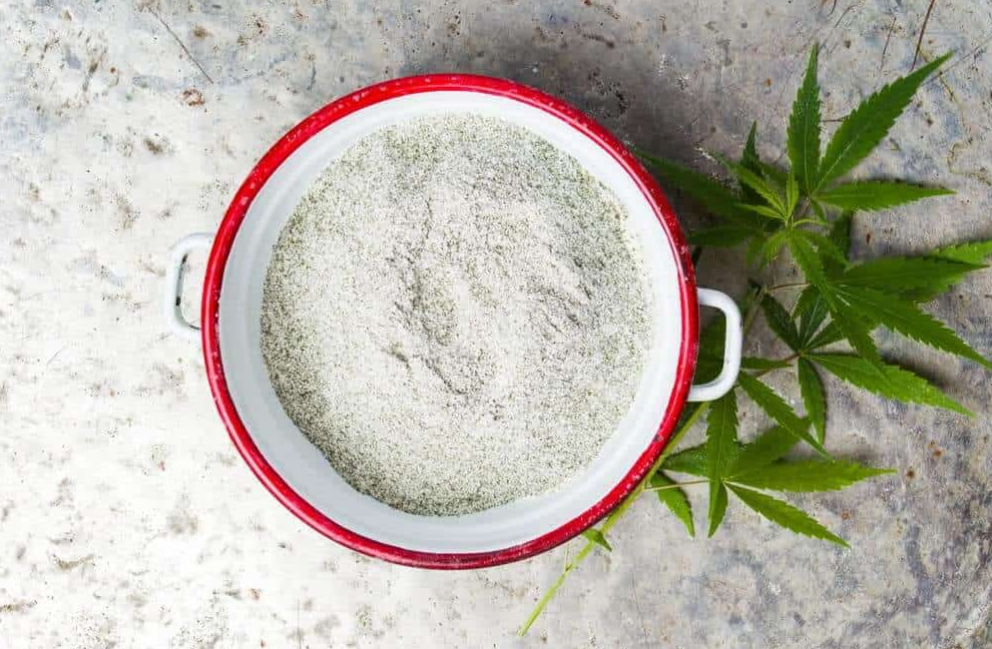
CBD Isolate vs CBD Distillate – What’s the Difference?
Disclaimer: Medical decisions should not be made based on advertising. Consult a physician about the benefits and risks of specific cannabis-derived products.
CBD is a non-psychotropic cannabinoid found in the hemp/hemp plant. It has been shown to have many therapeutic benefits, such as relieving pain and inflammation. There are two main types of CBD products: CBD distillate and CBD isolate.
Both are made using a natural extraction process to extract the desired compound (CBD) from the hemp plant. The difference between these two types of products comes down to what you want from your CBD product – convenience or potency?
To effectively assist customers in the decision-making process, it is best to break down the differences between these two CBD products and fully understand them.
What is CBD Distillate?
Distillate is a highly refined natural extract that has undergone a distillation process. CBD distillate is highly concentrated, with CBD levels typically 75% or higher. Other plant substances, such as flavonoids, terpenes, and cannabinoids (including THC), make up the remainder of the CBD distillate. It is considered one of the cleanest and purest extracts on the market, below CBD isolate in terms of purity.
Due to the presence of additional cannabinoids and plant-based ingredients, CBD distillate has the potential to produce an invigorating effect, which many believe is necessary to maximize the health benefits of CBD. The delegation effect hypothesizes that many of the beneficial effects of cannabis compounds occur through interactions with our endocannabinoid systems and with each other.
Distillation is the process of purifying a liquid by evaporation. After removing the ethanol solvent used to extract CBD from the hemp plant, we use wipe film distillation to separate the CBD from the other compounds in the crude oil via boiling point difference. We then collect the CBD condensate and terpenes in different condensers.
Now that you have a good understanding of what CBD isolate is, how to use it, and how it differs from broad-spectrum and full-spectrum CBD, it’s time to move on to another term called CBD. We promised to explain – CBD Distillate.
Meanwhile, a CBD distillate contains the benefits of the whole hemp plant. The only thing removed is THC. This means that CBD distillate contains a full spectrum of cannabinoids, terpenes, fatty acids and vitamins. Although it contains a high amount of the hemp plant, CBD distillate won’t get you high and is completely legal. It undergoes an additional processing step to remove any remaining THC from the plant.
CBD distillate is an incredibly popular option because of its many healing benefits. Since it contains a spectrum of cannabinoids and plant-based compounds, it provides more benefits for users. Some scientists believe that the various cannabinoids and terpenes in cannabis may work together to produce the effect. In essence, they believe that the combination of cannabis components produces an effect that is greater than each compound alone can achieve.
Different cannabinoids are present in different amounts in hemp. The following cannabinoids are known for their potential healing benefits.
Find trusted CBD products with lab-backed test results made specifically for seniors here!
These compounds are just three of the many cannabinoids in hemp. Currently, researchers have found at least 113 cannabinoids in the hemp plant. Hemp also contains terpenes, which give the plant its characteristic smell. In addition to providing unique aromas, terpenes may have other benefits. For example, linalool is thought to help with sleep quality, which may explain why the linalool in lavender is such a popular sleep aid.
CBD distillate is a thick liquid that contains many of the compounds found in the hemp plant. The consistency is similar to honey or maple syrup. It can be brown, yellow or orange, depending on various factors, such as the temperature of the room it is in.
Meanwhile, a CBD distillate contains the benefits of the whole hemp plant. The only thing removed is THC. This means that CBD distillate contains a full spectrum of cannabinoids, terpenes, fatty acids and vitamins. Although it contains a high amount of the hemp plant, CBD distillate won’t get you high and is completely legal. It undergoes an additional processing step to remove any remaining THC from the plant.
CBD distillate is an incredibly popular option because of its many healing benefits. Since it contains a spectrum of cannabinoids and plant-based compounds, it provides more benefits for users. Some scientists believe that the various cannabinoids and terpenes in cannabis may work together to produce the effect. In essence, they believe that the combination of cannabis components produces an effect that is greater than each compound alone can achieve.
Different cannabinoids are present in different amounts in hemp. The following cannabinoids are known for their potential healing benefits.
The distillate is what you have left after the extraction process from the cannabis plant is complete, and all the harmful components have been removed. CBD distillate will contain no lipids, impurities, fertilizers, pesticides, or solvent residues. However, it will contain CBD and all the other cannabinoids found in hemp.
CBD Distillate is also used to make CBD isolate. Yes, you heard right. After putting the CBD distillate through further processing, the individual compounds (such as CBD) can be isolated, creating CBD isolate – Cannabidiol in its purest form.
What is CBD isolate?
Unlike CBD isolate, CBD distillate has all the benefits of the whole plant without the THC. CBD distillate contains cannabinoids, terpenes, vitamins and fatty acids that are very beneficial to the body. It undergoes special processing to remove almost all THC, so you won’t get high and the product is completely legal by federal law standards – states may vary.
CBD alone is an incredible source of healing. However, there are hundreds of other cannabinoids that also offer therapeutic benefits
Isolate is a chemical term used to describe that a single component is a specific material. The isolate, in this case, will be cannabidiol or CBD. This produces CBD isolate, the purest form of CBD that contains none of the other compounds found in the hemp plant.
CBD isolate is made using a natural extraction process that uses the CBD distillate and removes all the components that give hemp its flavor and aroma. As a result, CBD isolate will not taste or smell.
If you buy CBD isolate, you’re only getting a compound called cannabidiol (CBD). CBD isolate is intentionally formulated to contain only CBD. The extraction process removes everything that is not CBD. This means that CBD isolate contains no terpenes or other cannabinoids.
You can find CBD isolate in a variety of different products. CBD gummies and oils are made with CBD isolate. Depending on who you buy your isolate from, it will be 99 percent pure or higher. If you are buying from a reputable supplier, your isolate should not contain any additives, heavy metals or contaminants.
If you are concerned about taking a drug test, CBD isolate may be a good choice. Because CBD is isolated from other cannabinoids, the product contains no tetrahydrocannabinol (THC). As long as the isolate is actually pure, it shouldn’t get you high or cause you to fail a drug test.
A pure isolate should have no taste or smell. Because it has no added taste or smell, CBD isolate is a popular additive for edibles and oils. Isolates are a good choice if you don’t like the taste of cannabis in your food.
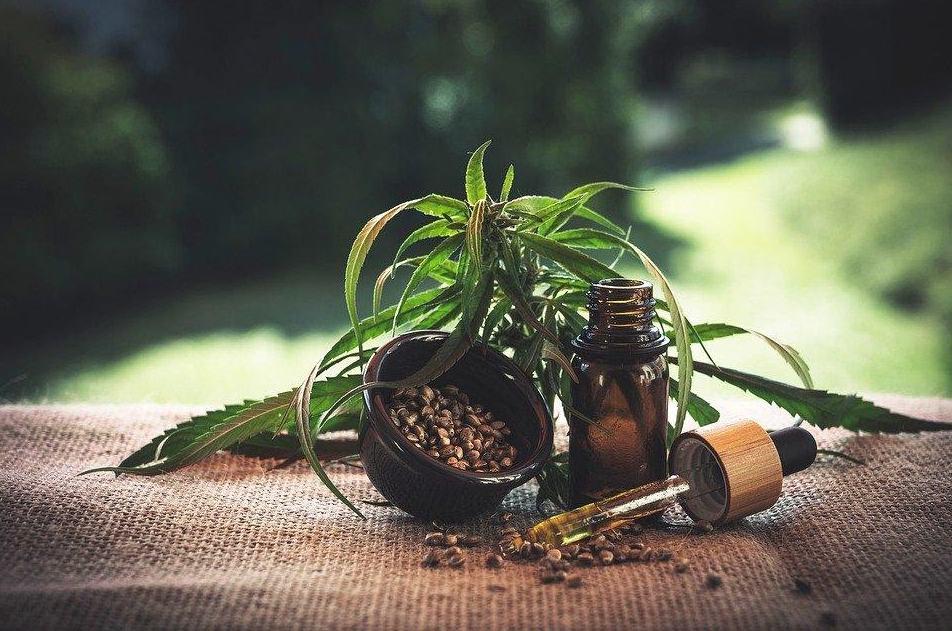
Does CBD isolate contain THC?
No, CBD isolate does not contain THC. In fact, a true CBD isolate contains no cannabinoids (other than CBD) or other compounds that occur naturally in hemp (including terpenes).
Impurities such as waxes, oils, pesticides, and fungi can often sneak into a CBD product during the cultivation or extraction process. However, CBD isolate will always be free of any impurities.
This also means that CBD isolate will contain no residual solvents – a by-product of the production process.
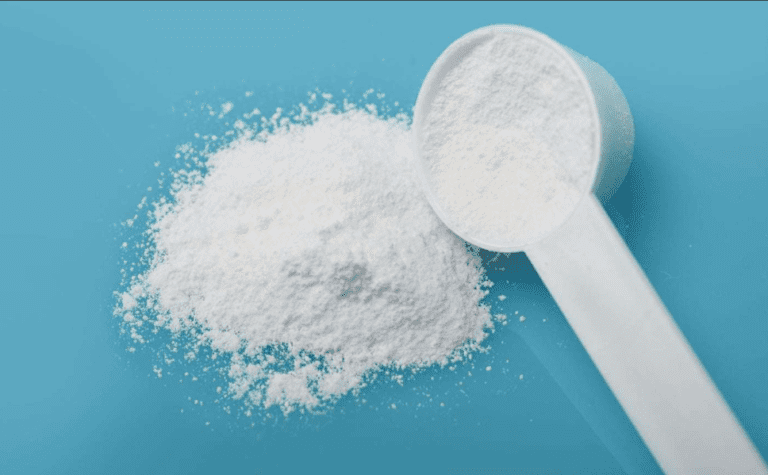
CBD isolate is a crystalline solid that, in its natural state, is a brilliant, milky crystal straight out of a winter’s tale. This isolated crystal is subsequently processed into a white powder using a straight grinding method.
How CBD Distillate Is Used to Isolate CBD
After the distillate is purified, CBD oil undergoes a process called recrystallization. This technique is used to clean chemicals. The desired compound is isolated to remove impurities from the solution. To reconstitute, a solvent, a chemical used to dissolve other substances, is added to a mixture (in our case, CBD distillate) and heated until Do not dissolve in all the distillate solution. After the CBD distillate dissolves, the temperature of the mixture drops significantly. This is also called “crashing”.
As the mixture is allowed to cool, the CBD molecules within the mixture reassemble into a crystalline structure, separating themselves from the rest of the mixture. This manipulation of temperature is a well-known technique used in organic chemistry laboratories. Isolates are tested using advanced chemistry equipment to determine and confirm that the compound is pure CBD with no detectable amounts of other cannabinoids, such as THC.
Difference Between CBD Distillate and Isolate
CBD distillate is a golden oil, while CBD isolate is a white powder or fine crystals.
Not only is the physical form of the isolate and distillate different, but the composition of each cannabis extract is also different. As mentioned earlier, the isolate is cannabidiol in its purest form while the distillate is an extract that contains not only about 75-85% cannabidiol, but also other cannabinoids such as cannabigerol (CBG), cannabinol (CBN), and tetrahydrocannabinol. (THC) are included.
The distillate also contains terpenes, which give the cannabis plant its distinctive taste and smell, depending on the strain of Cannabis sativa used to start the extraction process. However, terpenes are not present in CBD isolates. Therefore, it should not smell or taste like cannabis.
Which is better: CBD isolate or CBD distillate?
You have to decide whether CBD isolate or CBD distillate is best for you when you’re looking for the ideal CBD product, and if you’re working in the cannabis industry, it’s good to know. Which one will suit the needs of your customers?
CBD has numerous benefits. This has been shown in some studies.
Written by Zaneta Pacific and reviewed by our certified expert, Moyra Cosgrove, Head of Nutrition at Naturecan, SENR Registered Nutritionist and DipProof Candidate at LJMU
Abstract
CBD isolate is CBD (Cannabidiol) in its purest form.
Isolating CBD requires many steps and is highly technical.
CBD isolate can be used in a variety of products, including vapes, oils, balms and edibles and pet CBD products.
CBD distillate is a purified CBD extract that can be used to make CBD isolate.
CBD, short for Cannabidiol, is one of the many cannabinoids found in the Cannabis sativa plant.
Although CBD comes from a plant, it cannot simply be harvested. So instead, we need to harvest hemp – a type of Cannabis sativa plant known for its high CBD and low THC content. We then use this hemp to extract a variety of different components, including the beneficial one we’re talking about here, CBD, but making sure there’s undetectable THC, the controlled cannabinoid. Is.
But the road from hemp to the CBD is long, with numerous stops and potential obstacles along the way. Interestingly, both CBD isolate and CBD distillate can be the final destination of this long journey.
So how do you make sure you always get where you want to be? By learning how these two differ from each other.
Let us be your guide, and let the journey begin!
Table of content
- What is CBD isolate?
- How to use CBD isolate?
- What is Broad Spectrum CBD and Full Spectrum CBD?
- What is CBD Distillation?
- CBD Isolate vs CBD Distillate. What is the difference?
- Is CBD Isolate or Broad Spectrum CBD Better?
- Side Effects of CBD
- What is CBD isolate?
- CBD isolate is CBD in its purest form, with 99% (or more) CBD content.
An important thing to know about the process used to create CBD isolate is that it removes all of the components responsible for the flavor and aroma of cannabis. This means that CBD isolate will have no taste or smell.
While we’ll talk a little more about this process later, what you should know now is that CBD isolate can come in two forms. In its original form, CBD isolate is a crystalline solid and looks just like the beautiful, milky crystal from The Winter’s Tale. Although very beautiful, CBD isolates in this form is not easy to use. Fortunately, it can easily be turned into a white powder through a simple process of crystal sorting.
Potential Benefits of CBD Isolate
Now that we know what CBD isolate is (and what it isn’t), it’s time to consider why you should consider using it.
It is true that scientific consensus on CBD has yet to be reached.
So what do we know yet? The results of preliminary studies suggest that there may be a connection between CBD and certain processes in our body.
The processes we are talking about here are related to the endocannabinoid system. In some studies, CBD has been shown to contribute to better sleep quality, better management of certain types of pain, and the ability to relax more easily.
These are just a few of the many potential benefits of CBD and, in turn, the reasons why people reach for CBD isolate products every day.
How to use CBD isolate?
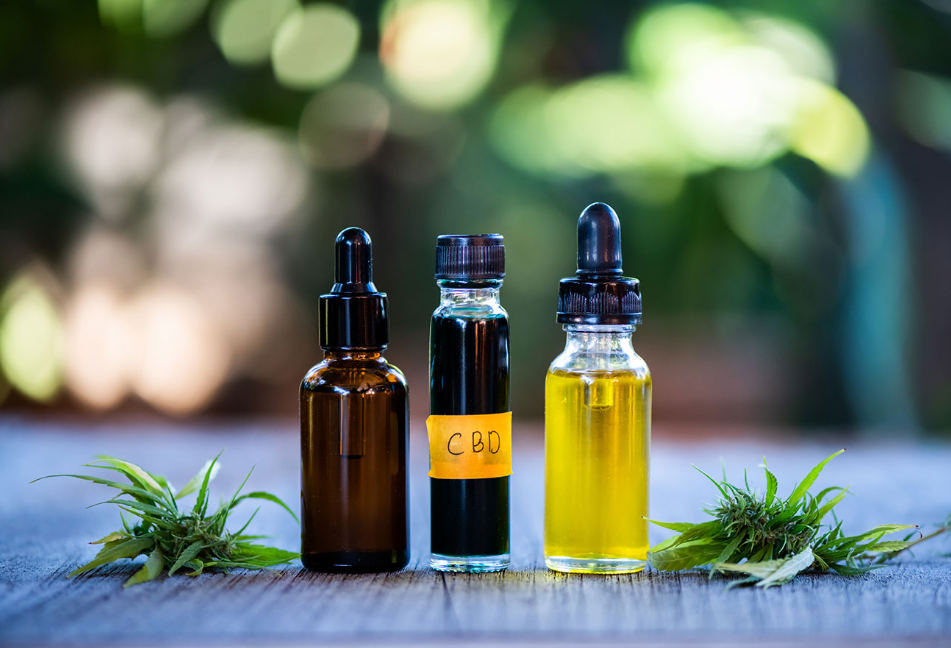
Reading about all the potential benefits of CBD isolate may tempt you to get some for yourself. But before you go ahead and buy something, there are a few things you should keep in mind.
Most consumers will be better off purchasing CBD isolate products that contain other ingredients such as a carrier oil, rather than pure CBD isolate in crystalline or powder form.
The science behind the effective use of CBD is complex. The “stronger, better” rule does not apply to this cannabinoid, and some people may benefit from lower doses. Additionally, your body will be able to better utilize CBD when it is included in products that are able to increase its bioavailability.
For example, CBD isolate can be combined with an MCT carrier oil (such as coconut oil or hemp oil) to create a CBD oil isolate. It can also be used in various topicals, such as moisturizing creams, soothing gels, and nourishing balms. Even food can be enriched with CBD isolate, creating edibles that are both fun and delicious.
Last but not least, CBD isolate is also a primary ingredient in vape juice.
What is a forest bath?
CBD Isolate vs CBD Distillate. What is the difference?
CBD isolate and distillation are two very different things. For example, broad and full spectrum CBD distillates can be used to extract CBD isolate, but CBD distillate can never become CBD isolate without further processing.
CBD isolate is CBD in its purest form. It does not contain any other chemical compounds (such as terpenes or other cannabinoids) that can also be extracted from the hemp plant.
CBD distillate, on the other hand, contains CBD as well as other components derived from hemp. Nevertheless, it will not contain any unnecessary or harmful ingredients, such as solvents, heavy metals, or fungi.
Is CBD Isolate or Broad Spectrum CBD Better?
The answer to this interesting question will depend on who is using the product.
CBD isolates are perfect for people who may be intimidated by the idea of using hemp-derived products, or for those who undergo rigorous drug testing at work (such as professional athletes), such as Both broad-spectrum and full-spectrum CBD can be. causes false positives.
So, what are the benefits of broad spectrum products? Well, have you heard of the “entourage effect”? This is a phenomenon (well described in a 2020 study) where CBD when used with other compounds found in the hemp plant, will work better and produce better results. This is because CBD is potentially able to work synergistically with these other compounds, enhancing the beneficial effects. This supports the theory that broad-spectrum CBD may be more beneficial than CBD isolate.
What is CBD oil?
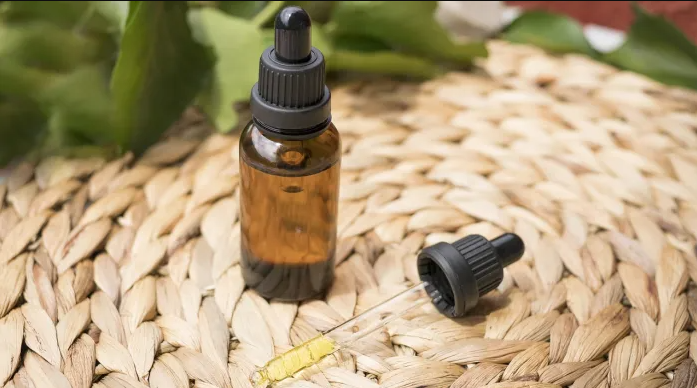
Side Effects of CBD
Although CBD is generally well tolerated, it can still cause some side effects, including nausea, dry mouth, drowsiness or low blood pressure.
To minimize the risk of experiencing any side effects, be sure to use only high-quality products with undetectable THC. Additionally, always use a dose that suits your needs and is under the FSA’s recommended maximum daily dose of 70mg.
Pregnant or breastfeeding women should never use CBD.
CBD can interact with other medications and for this reason, and many others, you should always talk to your GP before using it.
Take away
The Takeaway
Now you’ve done your research, we would now recommend the following:
If you think that CBD isolate is the choice for you can can check out our range of premium e-liquids and tinctures
Alternatively if you think CBD distillate is the way to go you can check out our CBD Distillate e-liquid or CBD Distillate tincture
All of our CBD products are certified true strength. We have a membership to Cannabis Trade Association and are regulated by the MHRA (Medicines and Healthcare Products Regulatory Agency). Our products are independently lab tested to ensure premium quality at maximum affordability.
As with any product if you have concerns consult a doctor prior to consumption
There are many different types of CBD products, with CBD isolates and CBD distillates being just two of them.
Both distilled and isolated CBD can be extracted from hemp. However, this process is highly technical and requires several steps.
CBD isolate is produced from CBD distillate.
CBD isolate is CBD in its purest form. It does not contain other cannabinoids, terpenes or other compounds found in cannabis. The same cannot be said for broad-spectrum and full-spectrum CBD, both of which contain many other compounds derived from hemp.
The main difference between broad-spectrum and full-spectrum CBD is that the former will contain no detectable THC.
Disclaimer: There is currently insufficient evidence to support the use of CBD in the condition(s) described above and this text in no way reflects recommended use. Always consult your healthcare professional if you are taking prescribed medications or are considering using CBD for your condition.
CBD isolate & distillate – what are they?
CBD is one of the most highly acclaimed products on the market at the moment, with overwhelmingly positive reviews, especially here at Vapaholic. We offer premium grade CBD products at incredible value.
The WHO (World Health Organization) itself acknowledges the possible benefits CBD may have for a multitude of users.
Due to regulations we cannot make any medicinal claims due to the UK’s current classification of CBD products as a novel food. This said the demand for CBD products since becoming available has skyrocketed. Many of our customers have found several positive effects from its use.
One of the biggest questions we get asked regarding our CBD products is Isolate vs Distillate what is the difference and what are the benefits?
E-Liquid
CBD Isolate
CBD Isolate is made of Cannabidiol and only that, it is 99%+ pure, with no added extras. This version is typically found reduced into a crystal/powdered form and has no distinctive taste or smell meaning it is excellent for use in e-liquid. Our exclusive range of CBD isolate products are perfect for everyday use; our CBD e-liquid comes in 50ml and 10ml bottles offering a huge range of flavours to suit everyone’s palette. We even offer a 10ml flavourless CBD isolate ‘shot’ which you can add to your favourite 50ml or 100ml e-liquid flavour to make a soothing CBD all day vape in your favourite flavour.
Tincture
CBD Distillate
CBD Distillate (also named full-spectrum oil) is a reduced version of the entire hemp plant with 50%-70% CBD content. This leaves room for the remaining vitamins, terpenes, fatty acids and other cannabinoids meaning it has the same natural balance of chemicals as the Hemp plant itself. Our CBD Distillate is actually 89.6% potent. This is reduced into an oil which has a distinct yet subtle earthy taste if unflavoured and typically comes in the form of a tincture like the kind you can find on our store CBD Tincture.
So What’s In Distillate?
- Vitamins
- Essential for the body.
- Terpenes
- Aromatic compounds found in plants such as orange peel.
- The cannabis plant has a high concentration of these.
- Fatty acids
- A naturally occurring component of most oils.
- Cannabinoids
Put simply are the non-psychoactive parts of the cannabis plant that have been attributed by users to have some positive effects.
Cannabidiol (CBD)
Cannabinol (CBN)
Cannabigerol (CBG)
Cannabichromene (CBC)
Can It Get Me High?
Many customers ask this question and the simple answer is no. The manufacture of CBD products is heavily restricted. THC (Tetrahydrocannabinol) is illegal here in the UK and is the cannabinoid responsible for the feelings associated with being ‘High’. Our Isolate is certified THC free. Furthermore our distillate contains less than 0.1% THC content and this is due to the product being derivative of the entire plant and is well within UK regulations.
You can read more about this in our CBD E-Liquid Guide.
How Should I Take CBD?
There are a variety of ways to take CBD. You can utilise our tinctures allowing the CBD to be administered underneath your tongue and be digested, allowing the CBD to reach your system with relative ease. Vaping our CBD e-liquids has a higher bio-availaibility (the amount your body absorbs) as CBD can be easily absorbed through your airways and move straight into your system. We would always recommend starting with a low dose and slowly working your way up, keeping a record of how you feel and what effects you are noticing then taking it from there.
Check out our exclusive range of CBD e-liquids and tinctures.
.
When you start shopping for a full-spectrum or broad-spectrum product, one of the first choices you’ll have to make is between CBD isolate and distillate. Until recently, the only CBD distillate you could find was the distillate of the whole plant. Now, new options are also available.
If you buy CBD isolate, you’re only getting a compound called cannabidiol (CBD). CBD isolate is intentionally formulated to contain only CBD. The extraction process removes everything that is not CBD. This means that CBD isolate contains no terpenes or other cannabinoids.
You can find CBD isolate in a variety of different products. CBD gummies and oils are made with CBD isolate. Depending on who you buy your isolate from, it will be 99 percent pure or higher. If you are buying from a reputable supplier, your isolate should not contain any additives, heavy metals or contaminants.
If you are concerned about taking a drug test, CBD isolate may be a good choice. Because CBD is isolated from other cannabinoids, the product contains no tetrahydrocannabinol (THC). As long as the isolate is actually pure, it shouldn’t get you high or cause you to fail a drug test.
A pure isolate should have no taste or smell. Because it has no added taste or smell, CBD isolate is a popular additive for edibles and oils. Isolates are a good choice if you don’t like the taste of cannabis in your food.
Cannabinol (CBN)
As with most cannabinoids, scientists are still working to learn more about CBN. Currently, they believe it can help people with insomnia. It has sedative effects that make it ideal for anyone who needs a sleep aid. Currently, scientific research indicates that CBN is the cannabinoid responsible for the relaxing effects of the hemp plant.
Cannabigerol (CBG)
CBG is a non-psychoactive compound found in the cannabis plant. It is a precursor to many other cannabinoids such as THC and CBD. According to the current research we have on cannabis, CBG helps with health problems such as muscle pain, depression, pain and anxiety.
It has sedative effects that make it ideal for anyone who needs a sleep aid. Currently, scientific research indicates that CBN is the cannabinoid responsible for the relaxing effects of the hemp plant.
As with most cannabinoids, scientists are still working to learn more about CBN. Currently, they believe it can help people with insomnia.
It is a precursor to many other cannabinoids such as THC and CBD. According to the current research we have on cannabis, CBG helps with health problems such as muscle pain, depression, pain and anxiety.
Like CBD, CBG is non-psychoactive, meaning it won’t get you high. It’s technically a precursor to CBD, THC, and CBC (another cannabinoid we’ll cover in a minute). According to a 2018 study published in Frontiers of Pharmacology, CBG also has the potential to offer benefits to help reduce pain, muscle spasms, anxiety and depression.
Cannabichromene (CBC)
Although CBC has not received much praise or attention, it has been shown to have antiviral, antimicrobial, anti-inflammatory, anti-proliferative (anti-cancer), and pain-relieving properties. It is also effective for depression, anxiety and migraines.
Terpenes found in CBD distillate products are the chemicals that give the cannabis plant its unique aroma, and even in small amounts terpenes are powerful and work very well with CBD to heal the body. can do
It is believed that specific terpenes can produce different sensations. For example, Linalool can help regulate sleep patterns. Linoleol is also a common terpene in lavender that is commonly used in aromatherapy to induce sleep.
While CBD isolate is cannabidiol isolated in its purest form, CBD distillate contains many of the beneficial compounds found naturally in hemp and hemp, but no THC.
In the future, you may start seeing headlines touting the benefits of CBC. While many people focus on THC and CBD, CBC has remarkable properties and numerous health benefits. It has some anti-proliferative properties, which means it can be used as an anti-cancer drug. This compound also has anti-inflammatory, antiviral, antimicrobial and pain-relieving benefits. Some studies also show that it can help with migraines, anxiety and depression.
These compounds are just three of the many cannabinoids in hemp. Currently, researchers have found at least 113 cannabinoids in the hemp plant. Hemp also contains terpenes, which give the plant its characteristic smell. In addition to providing unique aromas, terpenes may have other benefits. For example, linalool is thought to help with sleep quality, which may explain why the linalool in lavender is such a popular sleep aid.
Cinematheque for ‘Heart of Cleveland’ and ‘Greed’ as part of National Silent Movie Day
In the future, you may start seeing headlines touting the benefits of CBC. While many people focus on THC and CBD, CBC has remarkable properties and numerous health benefits. It has some anti-proliferative properties, which means it can be used as an anti-cancer drug. This compound also has anti-inflammatory, antiviral, antimicrobial and pain-relieving benefits. Some studies also show that it can help with migraines, anxiety and depression.
Cannabinol (CBN)
CBN is a modified form of THC. It is formed when THC is oxidized and heated, which breaks down into CBN. That means it’s slightly psychoactive – more so than CBD – but much, much less than THC. According to InMed Pharmaceuticals, it has also been evaluated as a mild sedative.
Using CBD Distillate vs. CBD Isolate
As you search for the right CBD product, you’ll need to consider whether CBD isolate or CBD distillate is right for you. The main difference is that an isolate contains only one chemical known as CBD. Meanwhile, distillates contain the whole plant and use the entourage effect.
Until recently, you could only buy distillate that was made with the whole plant. With this option, you get a product that has all the benefits of the whole plant, and the quality of the plant determines the quality of the oil. Unfortunately, the Drug Enforcement Administration (DEA) has reacted harshly to such high-quality, balanced products. If Cola Buds lab test for more than 0.3 percent THC, dose themqx .
There are three main types of cannabidiol (CBD). CBD isolate is the pure form of CBD, while full-spectrum CBD is an extract containing other compounds of the cannabis plant, such as terpenes and other cannabinoids. The third type is broad-spectrum CBD.
As you search for the right CBD product, you’ll need to consider whether CBD isolate or CBD distillate is right for you. The main difference is that an isolate contains only one chemical known as CBD. Meanwhile, distillates contain the whole plant and use the entourage effect.
Until recently, you could only buy distillate that was made with the whole plant. With this option, you get a product that has all the benefits of the whole plant, and the quality of the plant determines the quality of the oil. Unfortunately, the Drug Enforcement Administration (DEA)
People use CBD for a variety of health reasons, such as pain and anxiety. While more research could clarify their anecdotally reported benefits, some evidence suggests that CBD products can help with certain conditions.
This article aims to help demystify the terms CBD isolate and full-spectrum CBD. We explain the differences and potential benefits of both forms.
What is the difference?
The differenceTrusted Source between CBD isolate and full-spectrum CBD relates to the contents of each form.
A full-spectrum CBD product contains multiple cannabis plant extracts, including essential oils, terpenes, and other cannabinoids, such as cannabinol.
Full-spectrum CBD products may also contain up to 0.3%Trusted Source of tetrahydrocannabinol (THC), the cannabinoid in the cannabis plant that produces the ‘high’ feeling in people. However, such a low amount is not strong enough to have significant psychoactive effects.
CBD isolate is a pure form of CBD. It contains no other cannabis plant compounds. It usually comes from hemp plants, which typically contain very low amounts of THC. CBD isolate is a crystal form of CBD, and it is often ground up and sold as a powder. It may also be called CBD crystals.
The CBD extraction process is no different for each of these products, which usually involves:
- carbon dioxide extraction
- steam distillation
- solvent extraction
- lipid extraction
However, CBD isolate is a much more refined product and goes through extra processing.
CBD isolate benefits
Is CBD legal?The 2018 Farm Bill removed hemp from the legal definition of marijuana in the Controlled Substances Act. This made some hemp-derived CBD products with less than 0.3 percent THC federally legal. However, CBD products containing more than 0.3 percent THC still fall under the legal definition of marijuana, making them federally illegal but legal under some state laws. Be sure to check state laws, especially when traveling. Also, keep in mind that the FDA has not approved nonprescription CBD products, and some products may be inaccurately labeled.
CBD isolate is the purest form of CBD. It may be a suitable product for first-time CBD users who wish to experiment with the potential health benefits, without the interference of other cannabis compounds, which may alter the effects. CBD isolate is also refined, so it has no discernible taste or odor.
A 2015 animal study concludes that while CBD isolate may offer certain health benefits, the effects may be less notable than when using a full-spectrum CBD product. The research also indicates that CBD isolate’s effects against pain and inflammation may only occur at a specific dose. This is in contrast to full-spectrum products, where effects increase as the dosage does.
For this reason, people who wish to take high doses of CBD may prefer a CBD isolate. This is not necessarily a negative quality of CBD isolate. Some people may prefer a product without THC, or they might be sensitive to this substance.
As there is no THC, this substance should not show up in any drug tests. However, people should be careful when purchasing CBD products. Items with a THC-free label may still contain traces of the compound. Thoroughly reading packaging, labels, and third-party test results will help ensure a person gets all the information they need to avoid adverse effects.
For more information and resources on CBD and CBD products, please visit our dedicated hub.
Full-spectrum CBD benefits
Because full-spectrum CBD contains all cannabis plant compounds, it may have a more potent effect than pure CBD. ResearchTrusted Source suggests that CBD’s health benefits may be more prominent when multiple compounds from the cannabis plant are present. This is what researchers call the ‘entourage effect.’
Full-spectrum CBD products contain some THC, but usually at low quantities of less than 0.3%Trusted Source. However, during the manufacturing process, THC levels can rise as the CBD converts into a concentrate. People should do their research and look up independent test results before purchasing a CBD product.
With a range of reported health benefits, uses for full-spectrum CBD include:
- anti-seizure
- muscle spasm relief
- antianxiety
- pain relief
- treatment for psychotic disorders
- antioxidant
- anti-inflammatory
Learn more about the potential health benefits of CBD here.
One 2018 study found that certain CBD compounds may also have neuroprotective effects.
Another 2018 study suggests that full-spectrum CBD is more effective for pain than CBD isolate because of the combined effects of CBD and THC.
Another advantage of full-spectrum CBD is that it is less processed and more natural than CBD isolate.
Broad-spectrum CBD
Broad-spectrum CBD is very similar to full-spectrum CBD in that it contains additional cannabis plant compounds.
Most broad-spectrum CBD products zero or trace amounts of THC, but there should be less than the 0.3% contained in full-spectrum products.
Like full-spectrum CBD, broad-spectrum products may have a higher likelihoodTrusted Source of producing beneficial health effects than CBD isolate because of the entourage effect.
Summary
Research suggests the entourage effect may increase the effects of full-spectrum and broad-spectrum CBD products.
However, more research is needed on the health benefits and effects of all three CBD types.
People may still want to try CBD isolate, especially if they want a product that is THC-free. However, unregulated CBD markets may mean that this substance is still present in trace amounts, even if labels claim their product is THC-free.
Both CBD isolate and full-spectrum CBD products have their advantages. People should always carefully read labels before buying them and discuss using CBD with a doctor or healthcare provider.
When you start shopping for a full-spectrum or broad-spectrum product, one of the first choices you’ll have to make is between CBD isolate and distillate. Until recently, the only CBD distillate you could find was the distillate of the whole plant. Now, new options are also available.
What is CBD isolate? What is CBD Distillation? What is Broad Spectrum CBD? What is full spectrum CBD? Why so many different types of CBD? What does it all mean? We answer all your questions on differences here.
Every day, more and more CBD products are flooding the market, making it difficult to decide where to start. That’s why we wanted to take the time to help you navigate everything and break down the differences between CBD distillate, CBD isolate, full-spectrum CBD, and broad-spectrum CBD products.
CBD-containing products have taken many forms such as CBD oil, CBD edibles, CBD topicals, and even CBD-enhanced supplements. This is because these products can offer benefits to people who deal with anxiety, insomnia, depression, chronic nausea, etc. All this comes without the risk of severe side effects or fatal overdose.
One of the most common CBD isolates is CBD in its purest form. It is exactly what it sounds like – an isolated form of cannabidiol.
During the extraction process, everything is removed or filtered out of the cannabis plant except cannabidiol. This leaves you with pure CBD.
CBD isolate should be free of harmful additives, contaminants, and heavy metals. Isolates also typically do not contain terpenes, however, some companies have reintroduced terpenes into their CBD isolate product. They must also be free of THC, CBN, CBG, and any other organic matter. Because of this, pure unadulterated CBD should have no taste or smell.
This makes it an incredibly versatile substance that can be used in foods or oils without adding flavor but retaining its potency. CBD isolate is great for anyone who struggles with the real earthy flavors of other traditional oils or foods.
.
How is CBD distillate made?
In order to isolate and distill CBD, it goes through several different purification processes starting with crude extraction. This requires the use of solvents to remove the cannabinoids from the plant material.
It then undergoes what is called winterization. It requires mixing the crude extract and solvent and leaving it in a very cold climate for 24-48 hours to allow it to solidify and separate.
The next step is decarboxylation. It’s the heat of the cannabis that makes it “active” — like when someone burns a joint. Finally, it is distilled and purified until it is a pure, isolated product.
What is Broad Spectrum CBD?
Broad spectrum CBD is actually another name for CBD distillate. It is a CBD extract that retains all the original cannabinoids, terpenes, oils, vitamins and flavonoids, but undergoes a special winterization process to remove THC. Broad-spectrum CBD, or CBD .
Healthline has sole editorial control over this article. The potential uses of the products listed here are not health claims made by the manufacturers. The information provided in this article is intended to be general in nature. It is not intended to replace medical advice from a healthcare professional. Healthline encourages you to make any treatment decisions with your healthcare professional.
Best Full Spectrum CBD Oil: Lazarus Naturals High Potency Full Spectrum CBD Tincture
Best Full Spectrum CBD Capsules: Bluebird Botanicals Classic Concentrated CBD Softgel
Best Full Spectrum CBD Cream: R+R Medicinals Hemp Extract Infused Cream
Best CBD Isolate Gummies: Fab CBD Chews
Best CBD Isolate Cream: Medterra CBD + Manuka Honey Healing Cream
When you think of cannabis, tetrahydrocannabinol (THC) may be the first cannabinoid that comes to mind. But there’s another popular cannabinoid to keep on your radar: cannabidiol (CBD).
Although much of the research on CBD is new or ongoing, CBD may have some health benefits, such as pain relief.
Because of these potential benefits, all kinds of CBD products have flooded the market. It can be difficult to separate the great from the not-so-good products — let alone understand CBD terms like isolate and full spectrum.
We’ve got you covered with this quick and easy guide to the differences between each form of CBD.
CBD isolate is pure CBD that does not contain THC.
Manufacturers isolate CBD by extracting all substances and compounds from the hemp plant, leaving pure CBD behind. What’s left behind is a pure crystalline substance that doesn’t contain THC, terpenes, flavonoids, or other compounds from the cannabis plant.
While CBD isolate does not contain additional compounds from the hemp plant, full-spectrum CBD contains all of the naturally occurring compounds of the hemp plant, including CBD, THC, terpenes and flavonoids.
But unlike hemp, full-spectrum CBD contains only THC (less than 0.3 percent), which is not enough to produce psychoactive effects.
How do full spectrum and isolation compare?
Both full-spectrum CBD and CBD isolate are extracted from the hemp plant. But even though they come from the same plant, there are still differences.
Full-spectrum CBD products contain small amounts of other cannabinoids, such as THC, as well as flavonoids and terpenes, which are beneficial compounds that provide unique aromas and flavors.
CBD isolate products are further refined, so they contain only CBD.
What are the pros and cons of full-spectrum CBD?
While any form of CBD can offer benefits, full-spectrum CBD has specific advantages and disadvantages.
Benefits
The entourage effect theory suggests that taking CBD and THC with terpenes may be more effective than taking cannabinoids alone. This is why some people prefer to use full-spectrum CBD.
A 2011 review in the British Journal of Pharmacology Trusted Source found that a combination of terpenes and cannabinoids may help:
- restlessness
- Pain
- inflammation
- Visits
- Cancer
- Fungal infections
The same review also concludes that CBD may help reduce the unwanted effects of THC, such as appetite, anxiety and sedation.
A 2018 study found that certain terpenes and flavonoids found in cannabis can reduce inflammation and offer neuroprotective effects.
However, as with many other aspects of CBD, research on the effect of delegation continues – and not all of it agrees.
For example, a 2019 study in the journal Cannabis and Cannabinoid Research found no changes in CB1 and CB2 cannabinoid receptors, part of the endocannabinoid system, when terpenes were added to THC. The research concluded that the terpenes were likely acting somewhere other than the CB1 and CB2 receptors.
More research is needed to explain how the delegation effect works.
Risks
Federally legal full-spectrum CBD products can contain up to 0.3 percent THC. This may seem like a small amount, but if you take a very potent product, you can use enough to cause a negative effect.
It is also possible for THC to show up on a drug test.
What are the pros and cons of CBD isolate?
Like full-spectrum CBD, CBD isolate comes with its own pros and cons.
Benefits
Some people want to try CBD but aren’t sure about THC. This is where CBD isolate comes in, as it is the purest form of CBD. THC is less likely to be used, so it shouldn’t do any harm.
Risks
With CBD isolate, you’ll miss out on any benefits from the delegation effect. However, 2015 research suggests that taking CBD alone may still be beneficial.
Is CBD Isolate Right For You?
CBD isolate may be right for you if you:
Want a tasteless, odorless product. Although some CBD isolate products include flavored, unflavored products.
Healthline has sole editorial control over this article. The potential uses of the products listed here are not health claims made by the manufacturers. The information provided in this article is intended to be general in nature. It is not intended to replace medical advice from a healthcare professional. Healthline encourages you to make any treatment decisions with your healthcare professional.
Cannabidiol (CBD) is one of those wellness buzzwords you’ve probably been seeing everywhere for a while now.
Not only are there many choices when it comes to CBD brands and products, but there are also different types of CBD to choose from – including CBD isolate, broad-spectrum CBD, and full-spectrum CBD. Sorting through everything and figuring out what’s right for you can be a little confusing.
Whether you’re ready to dive or just want to dip your toes in the water, we’re here to help. Keep reading to learn how broad-spectrum CBD compares to full-spectrum CBD and CBD isolate, plus get the lowdown on our top seven broad-spectrum product picks.
Broad spectrum CBD products contain almost every compound found in the hemp plant. But one key element is usually missing: THC.
The lack of tetrahydrocannabinol (THC) differentiates broad-spectrum products from full-spectrum products, which contain little THC — less than 0.3 percent, which is considered federally legal.
Broad spectrum products are also different from CBD isolate products. CBD isolate is pure CBD, with no other hemp compounds.
What are the benefits?
CBD is a close sibling of the more well-known cannabinoid THC. It’s different in that it doesn’t make you feel “high” like THC, but it can still offer some health benefits.
Although research is ongoing and there is still much we don’t know, some research suggests that CBD:
May help with pain and anxiety.
Contains anti-inflammatory properties
May help improve sleep.
May help reduce seizures in people with epilepsy. Epidiolex is the only prescription CBD product approved by the Food and Drug Administration (FDA) for seizures.
There are also plenty of benefits to using broad-spectrum CBD in particular. These products can give you access to potentially beneficial compounds such as terpenes. Terpenes are aromatic compounds that occur naturally in many different types of plants, including cannabis.
A 2011 review of studies published in the British Journal of Pharmacology found that the combined use of terpenes and phytocannabinoids may be beneficial for inflammation, pain, anxiety, epilepsy, cancer and fungal infections.
What are the drawbacks?
The same 2011 review showed that when THC and CBD are used together, they work better, known as the entourage effect.
While broad-spectrum is a good choice for those looking to avoid THC, its main drawback is that it may mean missing out on some of its benefits.
It’s also important to note that some CBD products, including broad-spectrum products or those that claim to be THC-free, may still contain trace amounts of THC. In rare cases, this can lead to a positive drug test. For this reason, you may want to avoid using any CBD or THC products if you have been drug tested.
Is Broad Spectrum CBD Right for You?
If you want to get all the benefits of the hemp plant, full-spectrum CBD may be a better choice than broad-spectrum CBD. On the other hand, if you’re only interested in CBD, isolates may be your best bet.
But if you want a wider range of benefits while avoiding THC, you’ll likely like broad-spectrum products best.
How we chose the best broad-spectrum CBD products.
Now that you know the ins and outs of broad-spectrum CBD, you may be curious about which products to try. To help you get started, we’ve rounded up seven great picks.
We have selected these products based on criteria that we believe are good indicators of safety, quality and transparency. Each product in this article:
Made by a company that provides proof of third-party testing by a lab in accordance with ISO 17025.
Made from hemp grown in America.
Contains no more than 0.3 percent THC, according to the Certificate of Analysis (COA).
Free of pesticides, heavy metals and molds, according to COA.
We also considered:
Company certification and manufacturing processes
Product strength
Aggregate components
Indicators of consumer trust and brand reputation, such as:
Customer reviews
Whether the company has been subject to an FDA warning letter Trusted Source
Whether the company makes any unsupported health claims.
- Pricing Guide
- $ = less than $40
- $$ = $40–$85
- $$$ = over $85
Best Broad Spectrum CBD Products
- CBDfx CBD Gummies Turmeric and Spirulina
- Price: $$
- CBD Strength: 5 mg per gum
These broad-spectrum vegan gummies are made with organic hemp extract and contain no artificial sweeteners. Turmeric and spirulina boost antioxidants.
Since each gum contains only 5 mg of CBD, it is good for beginners .
- CBD oil in 2022
- How to Read CBD Labels
- How did we choose?
- Our choices
- Comparison chart
- CBD vs hemp oil
- How to use
- take away
- Designed by Alexis Lira.
We add products that we think are useful to our readers. If you make a purchase through the links on this page, we may earn a small commission. Here is our process.
Healthline has sole editorial control over this article. The potential uses of the products listed here are not health claims made by the manufacturers. The information provided in this article is intended to be general in nature. It is not intended to replace medical advice from a healthcare professional. Healthline encourages you to make any treatment decisions with your healthcare professional.
A look at the best CBD oils of 2022
Best Value CBD Oil: Natural Full Spectrum CBD Oil
Best CBD Oil with THC: Charlotte’s Web CBD Oil
Best Full Spectrum Tincture: CB Distillery Full Spectrum CBD Oil Tincture
Editor’s Pick: Aspen Green Full Spectrum CBD Oil
Best Gluten Free CBD Oil: CBD MD CBD Oil Tincture
Best strength CBD oil option: CBDfx Calming Tincture
Best Broad Spectrum CBD Oil: Social Cinnamon Leaf Broad Spectrum Oil Drops
Best Isolate CBD Oil: Cannabis Isolate CBD Oil Tincture, Skittles Flavor
Best Vegan CBD Oil: Absolute Nature CBD Full Spectrum CBD Oil Drops
Best Flavored CBD Oil: FABC CBD Oil, Citrus
Best tasting CBD oil: Joy Organics Tropical Sunrise: Organic Full Spectrum CBD Tincture with THC
Best Topical CBD Oil: Lord Jones Royal Oil
Best Organic Tincture: Holmes Organics CBD Oil Tincture
Best THC-Free CBD Oil: UNOIA CBD Oil Drops, GA Patch
Best High Potency Tincture: Lazarus Naturals High Potency CBD Tincture
Cannabidiol (CBD) oil is obtained from the hemp plant. Many CBD products only contain trace amounts of tetrahydrocannabinol (THC), so they won’t get you high. THC is the main psychoactive cannabinoid in cannabis.
Before sharing Healthline’s picks for the best CBD oils for 2022, familiarize yourself with the benefits, pros and cons, and most importantly, how to read a CBD label. This will make the product selection from the list well.
Potential Benefits of CBD
There are many potential benefits associated with CBD oil. These include:
Reduces stress and anxiety.
Reduces PTSD symptoms Trusted Source
Helps reduce chronic pain.
Improves sleep quality Trusted Source
Pros and cons of CBD
Pros:
- Lots of affordable options
- Easy to take
- Mostly well tolerated
Cons:
- May cause stomach upset and other side effects
- Not regulated by the Food and Drug Administration (FDA).
- Interacts with some medications.
How to Read CBD Labels
While there are plenty of CBD oils and tinctures on the market right now, it’s important to know that not all of them are created equal. There are currently no over-the-counter (OTC) CBD products approved by the FDA, and some products may not be as effective or reliable as others.
Knowing how to read CBD labels correctly ensures that you are buying a quality product. When choosing a CBD product, whether it’s a stick, oil, or something else, there are some important questions to ask yourself when reviewing the labeling. These questions are described below, along with definitions of the CBD vocabulary you need to know.
What type of CBD is in it?
First, understand what type of CBD is in the product you’re thinking of trying.
The isolate contains only CBD, no other cannabinoids.
Full Spectrum contains all of the cannabinoids naturally found in the hemp plant, including THC.
Broad Spectrum contains several cannabinoids that occur naturally in the hemp plant, but does not contain THC.
Some research has found that when CBD and THC are used together, they produce what is known as the entourage effect. This means that when used together, they can be more effective than cannabinoids used alone.
Types of CBD
Isolate: Contains only CBD with no other cannabinoids.
Full Spectrum: Contains all cannabinoids naturally found in the hemp plant, including THC
Broad Spectrum: Contains many of the cannabinoids found naturally in the hemp plant, but does not contain THC.
Full-spectrum CBD may also contain these compounds:
- Protein
- fatty acid
- Chlorophyll
- Fiber
- Flavonoids
- Terpenes
- Is it an oil or a tincture?
CBD oil needs to be made using some kind of liquid. This will tell if it is an oil or a tincture.
CBD oil vs. tinctures
CBD Oil: Made by infusing hemp into carrier oil.
CBD Tincture: Made by steeping cannabis in alcohol and water.
Has it been third party tested?
Currently, the FDA does not guarantee the safety, effectiveness, or quality of OTC CBD products.
However, to protect public health, they can take action against CBD companies that make unfounded health claims.
Since the FDA does not regulate CBD products in the same way that they
Healthline’s picks for the best CBD oils
Best Value Full Spectrum CBD Oil Tincture
Natural Full Spectrum CBD Oil
CBD Type: Full Spectrum
CBD Strength: 10 mg per serving
COA: Available online.
Price: $
Zatoril Full Spectrum CBD Oil is a full spectrum CBD oil with less than 0.3% THC. Zatural also has a “dosage calculator” to help you determine the right amount of CBD for you.
Note, it’s important to always start a new CBD regimen slowly. This will help you find the right diet for you, as everyone is different.
At just $27.50 per 30 mL bottle, the price point is less expensive.
Occupation
Budget friendly
Many power options
Available unflavored or peppermint flavored.
Cons of
Zatural does not currently ship to Idaho.
Peppermint flavor contains stevia.
Use code “healthline20” for 20% off. One use per user.
The best CBD oil containing THC
Charlotte’s Web CBD Oil
CBD Type: Full Spectrum
CBD Strength: 1,800 mg per 30 ml bottle
COA: Available online.
Price: $$$
This full-spectrum (less than 0.3 percent THC) CBD oil comes from a well-known brand that offers a relatively inexpensive oil for potency. The company uses US-grown hemp from Colorado.
It commonly uses hemp extract, coconut oil and flavors in its variety of products.
COA is available online.
Occupation
Made with hemp grown in Colorado.
Many flavor options
Subscription options are available.
Cons of
CBD can be too powerful for beginners.
Contains less than 0.3% THC.
Use code “HEALTH20” for 20% off.
Excellent full spectrum tincture
CBDistillery Full Spectrum CBD Oil Tincture
CBD Type: Full Spectrum
CBD Strength: 500mg or 1,000mg per 30ml bottle
COA: Available online.
Price: $–$$
This full-spectrum tincture provides you with 167 mg of CBD and other cannabinoids per serving.
CBDistillery products are made using non-GMO hemp grown in the US, certified by the US Hemp Authority.
COA is available online or by scanning the QR code.
Occupation
High potency formula
Made with American grown hemp.
Available in Mango, Mint and Natural (unflavored).
Cons of
Flavors have individual product pages, so you may want to browse the site before purchasing.
COA for Mango flavor is from 2020.
Use code “healthline” for 20% off sitewide or select the subscription option for 20% off the first 2 subscription orders and 25% off the third order.
Best high potency CBD oil
Aspen Green Full Spectrum CBD Oil
CBD Type: Full Spectrum
CBD Strength: 1,000-3,000 mg per 30-mL bottle
COA: Available online.
Price: $–$$$
Sold in original, lemon and mint flavors and in three different capacities. This full spectrum CBD oil is USDA certified organic.
In addition to oils, the company offers balms, creams and other products.
COA is available online.
Occupation
Different flavors and strengths
Offers 35 to 60 percent discounts to military personnel, first responders, medical personnel, teachers, students, and those living in low-income households, disabled or unemployed.
Grown and processed in Colorado.
Cons of
Every flavored oil has a hint of hemp flavor, which not all CBD users enjoy.
Higher price point than other CBD oils
Use code “HEALTHLINE” for 20% off.
The best gluten-free CBD oil
CBDMD CBD Oil Tincture
CBD Type: Broad Spectrum
CBD Strength: 25 mg per serving
COA: Available online.
Price: $–$$$
CBDMD CBD Oil Tincture is a great gluten-free option. It’s also vegan. Available in two sizes and six concentrations, this CBD oil gives consumers the option to tailor their purchase to their exact needs.
This oil is made from MCT oil. It is available in orange, berry, mint and natural (unflavored).
Occupation
Gluten free
Available in several strengths.
Many flavor options
Cons of
Contains no THC, which some users may prefer for the team effect.
Some user reviews note that it is expensive.
The best potency CBD oil option
CBDfx Calming Tincture
CBD Type: Full Spectrum
CBD Strength: 500-6,000 mg per 30-mL bottle
COA: Available online.
Price: $–$$$
This naturally flavored CBD oil contains a proprietary blend of terpenes designed to induce relaxation. Full Spectrum Tincture is available in multiple strengths suitable for all types of CBD users, from beginners to professionals.
The formula is vegan, gluten-free and organic.
In addition to the oil, CBDfx sells many other products, including topicals, gums and capsules.
COA is available online.
Occupation
Various strengths up to 6,000 mg of CBD per bottle
Organic, gluten-free, and cruelty-free
Cons of
Off-flavored (something consumers don’t like)
There is no grant program, but there is a rewards program.
Use code “HEALTHLINE” for 20% off.
Best Broad Spectrum CBD Oil
Social Cinnamon Leaf Broad Spectrum Oil Drops
CBD Type: Broad Spectrum
CBD Strength: 1,500 mg per 30 ml bottle
COA: Available online
2022’s CBD Gummies
How did we choose?
Our choices
Comparison table
How to make a purchase
How to use
How do they work?
Oils vs. gummies
Adverse effects
We add products that we think are useful to our readers. If you make a purchase through the links on this page, we may earn a small commission. Here is our process.
The easiest and most fun way to take cannabidiol (CBD) is through CBD gummies. They’re easy to dose (no measuring or droppers required), portable, discreet, and delicious, making them a good choice for those wanting to try CBD for the first time.
CBD gummies can be helpful for a variety of purposes, such as relieving anxiety and helping with insomnia.
It’s important to know, however, that not all adhesives are created equal.
Since there are currently no over-the-counter (OTC) CBD products approved by the Food and Drug Administration (FDA), it’s important to do your research and make sure you’re buying a quality product.
Our editors have tested all the gummies in this article and provided feedback to help make shopping a little easier for you. Read on for our top picks.
A quick look at the best CBD gummies
Best Broad Spectrum CBD Gummies: CBDFX Original Mixed Berry CBD Gummies
Editor’s Pick: cbdMD CBD Gummies
Best CBD gummies with THC: Cornbread Hemp Full Spectrum CBD Gummies
Best Full Spectrum CBD Gummies: Charlotte’s Web Daily Wellness CBD Gummies
Best CBD Gummies for Beginners: Plus CBD Oil Gummies, Green Gorilla Organic CBD Gummies
Best Organic CBD Gummies: Joy Organics CBD Gummies
Best Extra Strength CBD Gummies: Sunday Scare Extra Strength CBD Gummies
Best Isolate CBD Gummies: FABC CBD Chews
Best Naturally Flavored CBD Gummies: Bluebird Botanicals CBD Gummies
Best CBD Gummies to Gift: Lord Jones Old Fashioned CBD Gum Drops
Designed by Alexis Lira.
How We Picked the Best CBD Gummies
We have selected these products based on criteria that we believe are good indicators of safety, quality and transparency. Each brand and product featured has been tested by our team for clinical and Made by a company that provides proof of third-party testing by a lab in accordance with ISO 17025.
Made by a company that discloses the source of its hemp.
Contains no more than 0.3 percent tetrahydrocannabinol (THC), according to the Certificate of Analysis (COA).
Passes tests for pesticides, heavy metals and molds, according to COA.
Tested and reviewed by an editor, who got Gummies for free. All opinions are our own.
As part of our selection process, we also considered:
Company certification and manufacturing processes
Product strength
Aggregate components
Indicators of consumer trust and brand reputation, such as:
Customer reviews
Whether the company has been subject to an FDA warning letter Trusted Source
Whether the company makes any unsupported health claims.
Where available, we’ve included special discount codes for our readers.
To get a complete picture of a product’s value, it’s important to read labels for serving size, amount, strength, and other ingredients.
CBD glossary
You will find the following terms in the products below. Here’s what they mean:
CBD Isolate: This is pure CBD, with no other hemp compounds, including any THC.
Broad-spectrum CBD: This type of CBD contains most of the cannabinoids, but usually does not contain THC.
Full-spectrum CBD: Full-spectrum CBD contains all of the plant’s cannabinoids, including THC.
Healthline’s picks for the best CBD gummies
Best Broad Spectrum CBD Gummies
CBDFX Original Mixed Berry CBD Gummies
- Price: $$$
- CBD Type: Broad Spectrum
- CBD Strength: 25 mg per gum
- Count: 60 gummies per container
- COA: Available online.
- Third Party Tested: Yes
- Dosage: 2 tablets
- Other key ingredients: organic cane sugar, pectin
CBDfx gummies are a mixed berry flavor and contain all natural ingredients. Add organic, broad-spectrum CBD to the mix and you wind up with a gummy that customers rave about.
They are vegan, GMO-free, made in the United States, and contain no artificial sweeteners or high-fructose corn syrup. At 25 milligrams (mg) of CBD each, these gummies are a good choice for those who want a potent product.
Editor Candace Abalone tested these gummies and noted: “The mixed berry flavor reminded me of artificial sweeteners or something medicinal. The taste was almost gone as soon as I swallowed the gummy. I think it’s A good product for someone who might be new to CBD.It seems to have changed my ability to sleep for the better.
Pros:
- Only 0.5 grams (g) of added sugar per gummy — it’s the lowest-sugar option on our list
- The broad-spectrum formula allows you to avoid THC while still getting some of the benefits of other cannabis compounds.
- Natural color
Comparison of the best CBD gummies
What to Look for When Choosing CBD Gummies
Use the following criteria when purchasing CBD gummies:
CBD source
The first thing to consider when buying CBD gummies is the type of CBD.
CBD isolate is pure CBD, containing no other cannabinoids. While isolates are good for users who want to avoid THC, this extraction method destroys the flavonoids and terpenes of hemp. This means the end result will not provide the full range of health benefits.
Products made with broad-spectrum CBD often contain other hemp compounds in addition to cannabinoids, but usually do not contain THC.
Products made with full-spectrum CBD may contain all of the plant’s cannabinoids, including THC. Full-spectrum products provide the greatest therapeutic benefits as a result of the entourage effect, which means that cannabinoids have a greater effect than when consumed alone.
The best bet is to choose a full- or broad-spectrum product made with organic hemp grown in the United States. Hemp grown in the United States is subject to agricultural regulations, and cannot contain more than 0.3 percent THC.
Any product that doesn’t specifically state what type of CBD was used — for example, listing only “cannabis extract” as an ingredient — is probably best to avoid.
power
Dosages vary widely among CBD products, and may depend on the source of the CBD. For example, a 5-mg full-spectrum CBD gummy may feel more potent than a 5-mg CBD isolate gummy.
If you’re not sure what dose to look for, the best bet is to start with the lowest dose available — usually 5 mg — and increase from there.
Ingredients
There’s more to CBD gummies than just CBD. Other ingredients can vary widely. Pay attention to additives such as artificial ingredients and preservatives.
You also want to avoid high-fructose corn syrup, and if you’re vegan or have allergies, look for products that meet those requirements.
Ideal CBD Sticks are made with organic, non-GMO ingredients, real sugar and natural flavors. Although you can buy CBD products that contain vitamins or adaptogenic herbs, it’s best to avoid them, as experts aren’t sure how CBD interacts with vitamins, minerals or supplements.
Third Party Testing
Currently, the FDA does not guarantee the safety, effectiveness, or quality of OTC CBD products.
However, to protect public health, the FDA may take action against Trusted Source CBD companies that make unsubstantiated health claims. It is important to do your research and find a quality product.
Take a look at the COA and make sure the product has been tested for contaminants like heavy metals, pesticides, and molds. You can also use the COA to verify that the product actually contains the amount of CBD and THC that the label states.
Be wary of any company that promises extreme results and remember that results may vary. A product that works well for a friend or family member may not have the same effects for you.
If a product doesn’t work for you, consider trying another with different ingredients or a different amount of CBD.
How to take CBD gummies
Most gums come in packs of 20 to 60, and are dosed at 5 mg or more of CBD per gummy. If you’ve never tried CBD, start with a 5-mg gummy. Some gums can be cut in half, so you can start with 2.5 mg.
Wait up to 2 hours to experience the full effects, and if you feel you need more, experiment until you find your “correct” dose. You can use the gum daily, but remember that the effects of the gum last for 4 to 6 hours.
Store in a cool, dark place away from sunlight.
How do CBD gummies work?
Some people prefer to ingest CBD by eating edibles like gummies. CBD gummies are offered in different dosages. But usually, it will take about 30 to 60 minutes for the results to start, although it may take longer.
When you consume CBD gum, your body will first absorb it in the digestive system. After that, the active ingredients can move into your bloodstream, making their way to your liver.
From here, your liver metabolizes the ingredients before re-entering the bloodstream and then finally making it to your brain.
This is when results are usually seen. Although everyone’s experience with onset time may vary. Of course, if you consume CBD gummy on an empty stomach, you may see results faster than on a full stomach.
CBD oil vs. CBD gummies
CBD oil differs from CBD gummies in a few ways. It is a more versatile consumption method as it can be taken orally (under the tongue) or added to food and drinks.
Because the gum is chewed and swallowed, CBD must be metabolized by the digestive system before the effects become noticeable. However, these effects may last longer. To be taken subsidiarily.
CBD Pills and Capsules of 2022
How did we choose?
Our choices
Comparison chart
How to make a purchase
Vs CBD oil
uses
Food
Safety and side effects
Frequently Asked Questions
take away
We add products that we think are useful to our readers. If you make a purchase through the links on this page, we may earn a small commission. Here is our process.
Healthline has sole editorial control over this article. The potential uses of the products listed here are not health claims made by the manufacturers. The information provided in this article is intended to be general in nature. It is not intended to replace medical advice from a healthcare professional. Healthline encourages you to make any treatment decisions with your healthcare professional.
A quick look at the best CBD pills and capsules
Best Organic CBD Softgels: Joy Organics Premium CBD Softgels
Best Value CBD Softgels: Lazarus Naturals Full Spectrum CBD Softgels
Best Full-Spectrum CBD Softgels: Bluebird Botanicals Classic Concentrated CBD Softgel
Best Vegan CBD Capsules: Sunsoil CBD Oil Vegan Capsules
Best high-potency CBD softgels: Absolute Nature CBD Softgels
Best Low-Dose CBD Capsules: NuLeaf Naturals Full Spectrum CBD Capsules
Best Broad Spectrum Softgels: CBDistillery Broad Spectrum CBD Softgels
Cannabidiol (CBD) is a hemp-derived compound that shows promise for relieving pain, inflammation, and anxiety. Compared to tetrahydrocannabinol (THC), CBD won’t get you “high.”
CBD oil is one of the most common types of CBD products, but it’s not the only one. You can also take CBD in pill or capsule form. Tablets and capsules are easier to use and can provide a more consistent dose than oils, as each dose is pre-measured.
However, unlike CBD oils, CBD capsules and pills are subject to additional breakdown in your digestive system through the first pass effect, which can reduce potency.
Currently, the Food and Drug Administration (FDA) does not guarantee the safety, effectiveness, or quality of over-the-counter (OTC) CBD products. However, to protect public health, the FDA may take action against CBD companies that make unsubstantiated health claims.
Because the FDA doesn’t regulate CBD products the way they regulate drugs or dietary supplements, companies sometimes mislabel or misrepresent their products. This means that it is especially important that you do your own research and find a quality product.
We’re here to help with our top six picks of the best CBD pills and capsules on the market today. We will cover how to choose a product as well as safety and side effect information.
Where available, we’ve included special discount codes for our readers.
CBD glossary
Cannabinoids. These are hemp-derived compounds, such as THC and CBD.
Terpenes. Terpenes are aromatic compounds produced by plants. The terpenes in cannabis are partially responsible for its distinct effects.
Full spectrum. Full-spectrum CBD products contain all compounds (ie, cannabinoids and terpenes) found in hemp, including THC (less than 0.3 percent for federally legal products).
broad spectrum. Broad spectrum products contain all the compounds found in cannabis, except THC.
CBD isolate. CBD isolate is pure CBD, with no other cannabinoids or terpenes.
How We Picked the Best CBD Pills and Capsules
We have selected these products based on criteria that we believe are good indicators of safety, quality and transparency. Each product in this article:
Third-party testing is done by a proof-of-concept company.
Made from hemp grown in America.
Contains no more than 0.3 percent THC, according to the Certificate of Analysis (COA).
Passes tests for pesticides, heavy metals and molds, according to COA.
As part of our selection process, we also considered:
Certification and manufacturing processes
Are the ingredients certified organic?
Indicators of consumer trust and brand reputation, such as:
Customer reviews
Whether the company has been subject to an FDA warning letter Trusted Source
Whether the company makes any unsupported health claims.
Additionally, most of the products on this list contain full-spectrum CBD. Full-spectrum CBD, also known as whole-plant extract, has some advantages over isolates — namely, the delegation effect, a theory that says cannabinoids work better than either alone.
Pricing Guide
$ = less than $50
$$ = $50–$75
$$$ = over $75
Healthline’s pick for the best CBD pills and capsules
The best organic CBD softgels
Joy Organics Premium CBD Softgels
Price: $$
CBD Type: Broad Spectrum
CBD strength: 10 or 25 mg per softgel
Count: 30 per container
COA: Available on product page.
A marker of a very high quality product is having test results available for each batch of product rather than just a sample COA. Joy Organics is one such brand. You can check the batch specific test results here.
These CBD softgels are rated well by reviewers. Note that they contain gelatin, so keep in mind that they are not vegetarian.
Isolate CBD Oil Review
by the
Lee Wangs
Collaborative
Fact checked.
Meghan Harmon Editor
Published: August 26, 2022, 12:20 pm
The commissions we receive from partner links on this page do not influence our opinion or evaluation. Our editorial content is based on thorough research and guidance from the Forbes Health Advisory Board.
Mediterra Isolate CBD Oil Review
the author
List box
Show more
Our decision
Mediterra’s isolated CBD oil is made from organically grown American hemp and contains 99.6% CBD. The company guarantees that CBD isolate contains zero THC due to their proprietary extraction methods, but it can be expensive depending on the potency and quantity required.
Partner Offer Partner Offer
Extract CBD oil.
Buy now
on Medterra’s website
Costs
$39.99
Amount
500mg, 1000mg, 3000mg, 6000mg
The flavors
tasteless
Main Features
THC free
Third-party tested for cannabinoids, heavy metals, pesticides, solvents and microbes
Available in CBD strengths of 500 milligrams, 1,000 milligrams and 3,000 milligrams per 30-ounce bottle and 6,000 milligrams per 60-ounce bottle.
Medterra is a US Hemp Authority-certified CBD company in Kentucky that grows its organic hemp on small farms according to guidelines set forth by the Kentucky Department of Agriculture and the Kentucky Hemp Pilot Program, which ensures product quality and consistency. Is. The company sells supplements, various oils, gums, topical products and pet products.
Good and evil
Non-GMO
Each bottle is third-party tested and comes with a Certificate of Analysis (COA).
A wide range of strengths and prices are available.
Subscription based discounts
High strength oils are expensive.
No discounts are available for certain groups (such as older adults or veterans).
There are no flavor options.
Medterra Isolate CBD Oil at a Glance
Cost: $199.99 for a 60 ml bottle containing 6000 mg of CBD
Strength: 6,000 mg (available in other strengths)
Quality: Made from organically grown hemp in the USA, and third-party testing confirms the absence of heavy metals, pesticides, solvents and microbes.
How it works
Medterra’s isolated CBD oil combines 99.6% pure CBD oil with organic medium-chain triglyceride (MCT) oil and natural flavors, and is available in a variety of strengths from 500 milligrams to 6,000 milligrams per bottle. Medterra uses a gentle carbon dioxide extraction method to extract CBD from the hemp plant and filters out other substances to maximize the concentration of CBD in the final product.
The product label recommends using one to two full droppers of isolated CBD oil daily to achieve the desired effects. Simply place the drop under your tongue and wait 30 to 90 seconds before swallowing for maximum oral absorption.
Medterra recommends starting with a low dose and strength to understand how your body reacts to CBD. With this advice in mind, a 60 ml bottle containing 6000 mg of CBD is not a common starting point for beginners. Consumers can either significantly reduce the serving size with this product or initially purchase one of the lower strength options available and use the recommended serving size information on the label.
Costs
Product prices for Mediterra Isolate CBD Oil vary depending on the strength and quantity you require:
500 mg CBD (30 ml): $39.99
1,000 milligrams of CBD (30 ml): $55.99
3,000 milligrams of CBD (30 ml): $132.99
6,000 milligrams of CBD (60 ml): $199.99
Medterra also offers a Subscribe & Save option, which reduces product prices by up to 30% and includes free shipping when you sign up for monthly or bi-monthly delivery.
You may also be interested in CBD oils from our featured partner.
Slide from 1 to 4 of 5.
Slide from 1 to 4 of 5.
Extract CBD oil.
Extract CBD oil.
Buy now
on Medterra’s website
Costs
$39.99
Amount
500mg, 1000mg, 3000mg, 6000mg
The flavors
tasteless
Genuine Full Spectrum™ CBD Oil
Genuine Full Spectrum™ CBD Oil
Buy now
on Medterra’s website
Costs
$49.99
Amount
750mg, 1500mg, 3000mg, 6000mg
The flavors
Chocolate Mint, Citrus
Ultra Broad Spectrum™ CBD Oil
Ultra Broad Spectrum™ CBD Oil
Buy now
on Medterra’s website
Costs
$64.99
Amount
1000mg, 2000mg
The flavors
Sour, strawberry mint, tasteless
Immune Boost CBD Oil
Buy now
on Medterra’s website
Costs
$39.99
Amount
750 mg
The flavors
tasteless
CBG + CBD Oil
Buy now
on Medterra’s website
Costs
$79.00
Amount
1000mg, 2000mg
The flavors
Citrus
(Note: Product specifications and pricing are correct as of publication and are subject to change.)
What do the experts say?
According to Janelle Kim, licensed acupuncturist and founder of JBK Wellness Labs in San Diego, California, when purchasing a CBD product, the most important thing to look for is the COA to ensure the product is third-party tested and safe. .
“I would choose a full-spectrum or broad-spectrum CBD product over CBD isolate because different.
CBD: Isolate vs. Distillate [Beginner’s Guide]
CBD has become increasingly popular over the past 5 years as many states have loosened their legal restrictions on hemp and hemp/hemp-derived products. While this has allowed more people to enter the world of potential benefits that can be derived from CBD, the language used to discuss these products can be overwhelming for beginners.
After reading this, you’ll have all the information you need to understand the difference between CBD isolate and distillate, as well as definitions of terms like “full spectrum” and “entourage effect.”
In this piece, we’ll cover: Hide.
1. What is CBD Distillation?
2. What is CBD isolate?
3. Withdrawal Considerations
4. When to use distillate vs isolate.
What is CBD Distillation?
CBD distillate is made by taking a base extract (usually crude ethanol) and distilling it to increase purity. It is the most common base ingredient in vape pens and tinctures. The distillate can contain up to 0.3% THC while still being federally compliant, and contains other cannabinoids and terpenes.
A container filled with amber colored CBD distillate.
Distillate is cheaper to produce than isolate, as isolate requires more processing than distillate.
There are some often discussed “subcategories” of distillate that can be confusing for beginners. These categories are full spectrum and broad spectrum.
Full spectrum refers to a distillate that contains 0.3% THC, plus up to 100 naturally occurring cannabinoids and terpenes. Other primary cannabinoids present besides CBD include CBC, CBG, and CBN.
Broad spectrum refers to a distillate that has had all measurable amounts of THC removed but still retains other naturally occurring cannabinoids, similar to full spectrum. Broad spectrum distillate may contain only very trace amounts of THC.
In the case of both broad-spectrum and full-spectrum, studies point to what’s called the “entourage effect.”
The entourage effect is a proposed mechanism by which different compounds in the cannabis plant work together to enhance each other’s effects.
Research is still being done to determine the exact biological mechanism of action as well as the effect. However, many users claim positive experiences that they claim are due to their effectiveness.
What is CBD isolate?
CBD is isolated in crystal form before being ground into a powder
CBD isolate is a pure form of CBD, containing no other cannabinoids or terpenes.
The isolate is usually purified by chromatography or recrystallization resulting in a crystalline product that is ground into a powder.
Because of the level of purity, isolates are a popular choice among users who submit random drug testing.
It is highly unlikely that a person using CBD isolate will fail a drug test, but it can happen on rare occasions where THC levels are detected.
Withdrawal Considerations
We’ve outlined the distillate extraction process in our Introduction to CBD Extraction blog post, which we recommend to anyone interested in the basics of CBD extraction.
The isolation process starts with the distillate, which is then put through a more specific finishing process.
After the traditional distillation process, the isolate undergoes a chromatography process as well as a crystallization process to purify 99% of the CBD in most cases.
Some processors are equipped for both distillate and isolate extraction, however in some cases you may need to contract two different processors.
When to use distillate vs isolate
Many new CBD users find themselves questioning what is the best way for them to start taking CBD. Unfortunately, there is no one-size-fits-all answer to this question. The best thing a consumer can do is learn about the similarities and differences between the products, and start with the product that best aligns with their specific goals.
The isolate may be an attractive choice for those looking for a product that contains high-purity CBD content, with a low chance of testing negative on a drug test.
Isolates have also been a popular choice among chefs and those looking to add CBD to food or beverages without affecting the flavor profile.
Alternatively, distillate is a popular choice for tinctures due to the appeal of enhanced benefits that can potentially be achieved through the team effect.
The distillate was also the most commonly used CBD product for the management of epilepsy symptoms in treatment-resistant children prior to FDA approval of Epidiolex2.
Ultimately, deciding which form of CBD is best for any given person is highly personal and depends on a number of different factors. In either case, there is often an adjustment period to find the proper dosage to achieve your desired results.
BD Isolate vs. CBD Distillate: What’s the Difference?
By Michael
What is the difference between CBD distillate vs isolate? This is a common question among those looking for CBD products.
Thanks to the widespread access to CBD, the market has exploded with brands, forms and products based on CBD. While CBD has been on the market for some time, access for patients has increased.
The more forms there are, the more likely people are to wonder about the differences between them. Find out below what is the difference between CBD Isolate vs. Distillate.
Uses of CBD Isolate and CBD Distillate
CBD Isolate and CBD Distillate are two forms of CBD that are gaining popularity in the medical world. Both forms of CBD have their own unique advantages and disadvantages.
CBD Isolate CBD is isolated from other cannabinoids and plant material. This makes it the purest form of CBD that is often used to treat certain medical conditions. It is also available in various forms, including CBD powder, capsules and liquids.
CBD distillate is CBD that has been distilled from other cannabinoids and plant material. This process preserves more of the plant’s compounds, including terpenes and other cannabinoids. CBD distillate is often used to make cannabis-infused products, such as edibles, topicals and tinctures.
CBD isolate is more potent and has a higher concentration of CBD. Distillate is less powerful but more affordable.
The making process
CBD isolate is made by processing CBD oil until only the CBD molecule remains. This process removes all other plant matter and impurities, resulting in a white powder that is 99%+ pure CBD.
CBD distillate is made by further processing CBD isolate to remove any remaining traces of impurities, resulting in a nearly pure liquid that is 99.9%+ pure CBD. The main difference between the two is that the distillate contains additional beneficial compounds from the hemp plant, including terpenes and flavonoids, and other cannabinoids.
Additionally, the distillate is a more refined product. It undergoes a further processing step to remove all other cannabinoids and plant material, leaving only pure CBD.
Ingredients: What’s in it
CBD Isolate, as a pure CBD compound isolated from all other cannabinoids and compounds, does not contain any other plant compounds, including THC, CBN, CBG, or any other beneficial compounds found in hemp.
CBD distillate is a CBD compound distilled from the rest of the hemp plant. It contains all the beneficial compounds found in cannabis, including CBD, THC, CBN, CBG, and more. It can contain up to 99% pure CBD, with the remaining 1% from beneficial compounds.
Choose any type of CBD that suits your needs.
CBD Isolate and CBD Distillate are two popular forms of CBD. Both of them have their advantages and disadvantages.
The isolate is more potent and has a higher purity, while the distillate is less potent but more affordable. Ultimately, the choice between the two is a personal one.
Try both and see which one works better for you. CBD has many potential benefits, but it’s important to remember that it’s not a miracle cure.
From sleep aids to pain relief, Cannabidiol (CBD) has exploded onto the wellness scene over the past few years. More and more people are turning to CBD products for help and relief, but it can be quite confusing when it comes to choosing CBD products.
If you’re one of the many people trying CBD, you’ll probably find three main types of CBD products: full-spectrum CBD, broad-spectrum CBD, and CBD isolate. All three have different uses and benefits, but most people don’t really know the difference.
That’s why we’re here to clear up the confusion and break down the three types of CBD products so you can make the right decision for you and your body!
A brief introduction to CBD
All three types of CBD products available come from the same source, the hemp plant. However, while it is the same plant that marijuana originates from, CBD is naturally extracted from plants with low levels of Tetrahydrocannabinol (THC), the psychoactive ingredient in recreational cannabis. Specifically, the Food and Drug Administration (FDA) defines plants with THC levels of 0.3% or less as “cannabis” rather than hemp to avoid confusion.
From these hemp plants, CBD is extracted and eventually made into one of the three types of CBD products mentioned above. To find the different types of CBD oil, however, we have to dig a little deeper.
Full-spectrum vs. broad-spectrum vs. isolation
Defining each type of CBD is relatively easy, as it all comes down to what compounds (chemicals) remain with the CBD after extraction. There are over 540 different compounds in the cannabis plant, but we’ll focus on just two groups called cannabinoids and terpenes.
Cannabinoids are chemicals in cannabis that interact with the human body. You are already familiar with the two main cannabinoids, CBD and THC, but there are over 100 different types of cannabinoids.
On the other hand, terpenes create the smell of cannabis and can interact with cannabinoids in very different ways. The presence or absence of Terpenes and Cannabinoids determines what type of CBD product you have!
CBD Isolate- CBD isolate is technically the purest form of CBD, as it is 100% undiluted CBD oil. After going through the extraction process, isolate products filter out everything except CBD from the plants, including THC, terpenes and all other cannabinoids.
Full Spectrum – To obtain full spectrum CBD oil, THC, Cannabinoids, and Terpenes are all left out, leaving a “full spectrum” of chemical compounds. It’s important to remember that this can only happen with FDA-approved cannabis plants, which have minimal THC levels.
Broad Spectrum- As a sort of middle ground between CBD isolate and full spectrum CBD, Broad Spectrum CBD oil leaves the terpenes and cannabinoids alone but filters out the THC.
Now that we know what makes them different, let’s look at what each type of CBD does and what it can mean for you.
CBD isolate
We’ll start with CBD isolate, as it’s the most unique of the three. Full-spectrum and broad-spectrum CBD products contain many of the same compounds, but CBD isolate contains only CBD.
Occupation
Cost – CBD isolate products can be a good choice for those looking to save a bit of money, as they tend to be cheaper.
THC Free – The main reason some people choose CBD Isolate is its complete lack of THC. Many employers still require drug testing, which may include testing for THC. Using CBD isolate negates the risk of any THC showing up in a drug test while providing some of the benefits of CBD.
Taste- CBD Isolate has a less “cannabis” taste than other forms.
Cons
Dosage Difficulties – While pure CBD oil still has some benefits, they may be limited based on studies so far. One study, in particular, shows that unlike complete and broad-spectrum products, CBD isolate can only be effective at a very specific dose. If you have an amount that is too high or too low, you may not feel the effects at all.
No entourage – CBD isolates are also less effective than their counterparts, as they lack something called the “entourage effect”. Studies show that CBD is most effective when combined with other compounds from the hemp plant. Since CBD isolate does not contain these compounds, they are significantly less effective.
While some may choose CBD isolates for their convenience or lack of THC, we recommend other forms of CBD first.
Full Spectrum CBD
At the opposite end of the CBD scale, we have full-spectrum CBD products. These products contain all the cannabinoids and terpenes found in the hemp plant, including trace amounts of THC (but not enough to produce marijuana-like psychoactive effects).
Pros:
Entourage Effect – Full-spectrum CBD is the most effective type of CBD product, thanks to the so-called Entourage Effect. This effect, described in a 1998 study, suggests that other relatively inactive cannabinoids found in the hemp plant may have the effects of CBD.
What is CBD and how does it work?
Cannabidiol or CBD is just one of the 100+ cannabinoids found in the hemp plant. In addition, it also lends its name to products such as CBD oil and CBD dog treats. While called CBD, in most of these products, you can find all 100+ cannabinoids as well as other compounds found in hemp called terpenes. We call these CBD products Full Spectrum CBD. They are almost always taken from hemp varieties of the hemp plant to avoid a cannabinoid found in large amounts in marijuana, another type of hemp plant.
Of all the cannabinoids found in cannabis, THC is pretty much single-handedly responsible for the high associated with marijuana. While hemp contains THC, the legal industry does not contain more than 3% THC. With only trace amounts of THC, CBD products cannot cause a high and avoid the side effects associated with THC. CBD works naturally by partnering with the body’s endocannabinoid system. The body contains endocannabinoids similar to the cannabinoids found in cannabis. And they all work together to support natural healing. It can help with a variety of ailments and problems within the body that need relief.
How does CBD benefit health?
The endocannabinoid system of the dog
With hundreds of studies supporting millions of stories, CBD and other cannabinoids have been shown to reduce inflammation in the body, reduce pain, and even help people with rare seizure disorders. Research shows that products like CBD oil can also help with insomnia, nausea and more.
What is Full Spectrum CBD Oil?
When a CBD product says it’s full spectrum, it’s telling you that it contains all the cannabinoids and terpenes found in the hemp plant. While the cannabinoid CBD is possibly the most therapeutic compound in cannabis that can never cause a high, it’s not the only one. And in addition to working with our endocannabinoids, the cannabinoids found in hemp work together in what’s called the entourage effect. The delegation effect gives full-spectrum CBD with broad-spectrum CBD, an amazing benefit as you’re about to see.
What is CBD isolate?
CBD isolates are pure cannabidiol and do not contain any of the other cannabinoids, terpenes and flavonoids that make up full-spectrum CBD products.
CBD Isolate vs Full Spectrum CBD Comparison
The difference between CBD isolate and full-spectrum CBDs can be quite noticeable because full-spectrum CBD contains all the beneficial cannabinoids and terpenes. For most, full-spectrum CBD oil provides more therapeutic benefits than CBD isolate. Thanks to the synergistic effect of delegation across the spectrum, cannabinoids and terpenes work more fully within the body, allowing for significantly better absorption when comparing CBD isolates to full spectrum.
Full Spectrum offers a few key advantages over CBD isolate, and that is that it is 100% THC-free. Some can’t handle the taste of CBD oil and do better with isolates vs. full spectrum. Then in very rare cases, even trace amounts of THC in full-spectrum CBD can make them a little tired.
Both CBD isolate and full spectrum have benefits. Full-spectrum cannabidiol oil has a wider range of potential health benefits than CBD isolate. However, people can do well with CBD isolate, and it still offers medical benefits.
Is CBD safe?
Full Spectrum CBD | Invent pets.
CBD Isolate vs. Full Spectrum CBD, Which Is Safer?
Whether isolated, full-spectrum, or broad-spectrum, research shows that CBD has a very safe side effect, with most people and pets having no problems.
Whether it’s isolate versus full spectrum, CBD items contain little or no THC, ensuring that it won’t have any of the psychoactive effects we associate with a marijuana high. In fact, legal varieties of CBD contain no more than 0.3% THC. The only thing that a person usually feels after using CBD oil is less pain, less anxiety and less symptoms of their medical problems.
How to know which is a CBD product?
Your best bet is to read the label because any good CBD item should list whether it’s CBD isolate vs. full spectrum vs. broad spectrum. However, there are other ways to tell.
You will typically find CBD isolate in a powder that is approximately 99% pure CBD and 100% THC-free. While you will find CBD isolate oil, you will not find full-spectrum or broad-spectrum CBD powder.
Full-spectrum and broad-spectrum CBD oil can help animals like dogs, cats and horses. Like humans, animals can also get sick from diseases. Studies show that animals can get the same benefits that humans do with CBD. CBD has been shown to help with conditions like arthritis, epilepsy, inflammation and more. It can also help pets with separation anxiety!
Often dark amber and complete
Cannabidiol (CBD) is one of the most popular cannabinoids from the hemp plant. CBD can be found in everything from sweet and sour gums to infused bath bombs and many more products. With so many CBD products available, how do you know which one is right for you?
CBD isolate and CBD distillates are two of the most potent and versatile CBD products on the market. Smoke them. Press them. Vape them. Cook with them. Add them to lotions and creams. It’s all fair game.
If you want CBD in its purest form, distillates and isolates are the way to go. Discover the pros and cons of each hemp extract with our complete guide.
CBD 101: Broad Spectrum CBD Vs. Full Spectrum CBD
Understanding the difference between CBD isolate and CBD distillate requires knowing the difference between broad-spectrum CBD and pure CBD products.
Full Spectrum CBD
Full Spectrum CBD, also known as Whole Plant CBD, is a cannabinoid-based product that contains a more comprehensive range of natural compounds from the hemp plant than other products. Full spectrum products contain high amounts of cannabinoids, terpenes, flavonoids and other essential oils.
Depending on the legality of THC in the state, full-spectrum CBD can contain up to 0.3% THC and more. THC is the compound that produces the feeling of intoxication and euphoria and other potential health benefits.
Using full-spectrum CBD products can provide a broad therapeutic effect while minimizing the negative effects of specific cannabinoids. The delegation effect involves a synergistic interaction between all the compounds found in the cannabis plant.
Broad Spectrum CBD
Broad-spectrum CBD products contain a wide range of cannabinoids, terpenes and flavonoids.
Because Broad Spectrum Oil contains barely any THC, users will not feel “high.” However, the effects may not be as effective without all the cannabinoids working together. Still, other compounds found in broad-spectrum products can still provide many therapeutic benefits.
How is CBD isolate and CBD distillate different?
CBD isolates and distillates differ from full-spectrum CBD products in many respects, particularly their chemical profiles. Because of the entourage effect, broad-spectrum and full-spectrum products have increased therapeutic benefits over isolates and distillates.
Generally, CBD isolates and distillates contain high amounts of CBD without the other essential oils of the hemp plant, such as terpenes and flavonoids. CBD distillates can be mixed with other cannabinoids, terpenes and compounds from the hemp plant to improve their effects, taste and aroma.
Cannabis terpenes are responsible for the distinct smell of the cannabis plant. Their removal creates an odorless and tasteless product, making the product an excellent base for a wide range of infusions. Removing terpenes allows processors to create unique flavors and aromas without the smell of cannabis.
What is CBD isolate?
Marijuana leaf with THC crystals.
CBD isolate contains up to 99.9% CBD and no THC. CBD isolate is made by removing the rest of the hemp compounds and isolating only the CBD through an extraction and purification process. The result is an odorless and tasteless crystalline powder or solid cannabis extract.
High quality CBD isolate does not contain heavy metals, pesticides, residual solvents and other contaminants. In some cases, these pure CBD extracts can be combined with natural terpenes to create a “tripsolate”.
How is CBD isolated?
CBD isolates are typically made using supercritical carbon dioxide (CO2) or ethanol-based extraction processes. The crude oil is then purified using a number of purification processes, sometimes including chromatography.
After the primary extraction process is complete, the extracted hemp oil is cold-pressed for about 24 hours to remove other compounds such as fats, waxes, and lipids. These unwanted compounds settle on the refined oil and are filtered out.
Wintergreen oil is then distilled in a wiped film or a short path, which will concentrate the level of CBD while removing terpenes, flavonoids and other components. This process leaves you with a nice golden colored oil.
Through various crystallization techniques using solvents, the most basic one being supersaturation, CBD distillate is converted into CBD isolate.
The resulting isolate is heated under vacuum to remove everything but the CBD.
End products: concentrates, vape cartridges, tinctures, edibles, topicals
Appearance
CBD isolate can come in the form of CBD crystals or powder and is usually white. CBD isolate can be a light yellow color or an off-white color if it is slightly impure.
What is CBD Distillate?
CBD Distillate is a highly refined concentrate that has been distilled to contain CBD and barely any THC. The CBD concentration in the distillate can start at approx.
Where does CBD come from?
CBD is separated from the hemp plant through a multitude of extraction and refinement processes. Additional steps and specialized equipment are required to get from a full spectrum CBD oil all the way to the isolated CBD molecule. Listed below are the different types of CBD found in today’s products. Your body responds to CBD differently depending on its type, so it’s important to understand these variations when deciding what’s right for you.
Full Spectrum
Full Spectrum CBD extracts a full profile of beneficial cannabinoids, flavonoids and terpenes from the plant. Sometimes referred to as “whole plant” CBD, the entire hemp plant, leaves, stalk, seeds and root are harnessed for extraction creating a full spectrum oil.
Full spectrum does contain THC, but most CBD products are derived from hemp, which is naturally low in THC content. Legally, hemp grown in the USA can only contain up to 0.3% THC. This negligible amount doesn’t produce mind altering effects – it won’t get you ‘high’ – although it could result in a positive reading for THC in a drug test.
Broad Spectrum
Broad spectrum CBD might be a better choice for people who are nervous about trace elements of THC in their system, whether for medical, personal or legal reasons. We use broad spectrum in our Wonderfeel tincture oils.
Broad spectrum CBD is quite diverse containing numerous (nonpsychoactive) cannabinoids and terpenes, but with 0% THC. Because other parts of the plant are still present, a phenomenon called, “the entourage effect” comes into play. This effect where all the cannabinoids and terpenes work synergistically, and when taken together they produce a better effect than when taken alone.
Distillate
CBD Distillate is a highly refined form of full or broad spectrum CBD oil and one of the most potent types of concentrate around. However, it is not as beneficial as Broad Spectrum or Full Spectrum due to the lack of other terpenes and cannabinoids in the oil. It usually contains more than 80% CBD with negligible amounts of THC. After going through several different refinement processes, starting with crude extraction, the CBD distillate retains an array of beneficial cannabinoids, terpenes, and other plant extracts. CBD distillate looks a bit like honey in its liquid form. It is often used in the production of edibles, topicals, and vape pens.
Isolate
CBD Isolate means that cannabidiol has been stripped down to its molecular form and has no other cannabinoids, terpenes or flavonoids. Isolates were popular in the early stages of the CBD marketplace as they were easier to add to a vast array of formulas including edibles, and less of a hassle to store and transport. CBD in an isolated form is considered to be less effective. The isolate begins as a pure powder or crystal, and appears in many consumer products.
In Australia, we have over 150 cannabis products that can be prescribed by a doctor. Most products are considered CBD oil. And, by February 2021, low-dose CBD oils will be legal over the counter in pharmacies.
With the rise in popularity of CBD oil worldwide, the terms used to describe the product are becoming increasingly vague. Companies have created many different types of CBD oil and many forms of CBD products to differentiate themselves from competitors. We’ve created this guide to CBD to help clear up any confusion about what CBD is and how it can benefit you.
In a previous article, How CBD Oil Works on the Body, we discussed how we define health in relation to CBD and the endocannabinoid system, the endocannabinoid system that regulates your homeostasis. How controls, and how CBD oil can help improve your health. In this article, you will learn about the different types of CBD oil, their ingredients and how they differ from a health perspective. Here are the topics we’ll cover so you can jump in if you’re looking for something specific.
What is cannabis concentrate?
What is raw CBD oil?
What is PCR Hemp or PCR CBD Oil?
CBD Oil Cannabinoid Content: Isolate, Complete and Broad Spectrum
What is CBD isolate?
What is Full Spectrum CBD Oil?
What is Broad Spectrum CBD Oil?
CBD oil vs tincture
Result
Frequently used terms for CBD oil
Before we talk about the different types of CBD oil, there are some terms you need to understand when researching CBD oil. These terms can often be confusing and can make it more difficult to find what you’re looking for in your CBD search. Three popular terms that often confuse people are ‘CBD concentrate’, ‘raw CBD oil’ and ‘PCR Hemp oil or PCR CBD oil’.
CBD concentrates.
What is CBD concentrate?
CBD concentrate is any CBD extract that contains a high concentration of cannabidiol. So, when looking for a CBD product, you’ll likely be looking for a concentrate. Focus comes in many forms and includes:
to crush
Crystals and isolates
Distilled
Extract (CBD Oil)
To spread
wax
These high-potency products typically contain 45% to 99.9% cannabidiol. The idea is that these products will give you a high dose of CBD in a small dose over a short period of time. It is also important to know that all CBD extracts are concentrated but not all concentrations are.
Raw CBD oil
Definition of raw CBD oil
Raw CBD oil is made without the use of solvents or heat during the extraction process. Raw CBD oil is usually made through a CO2 extraction process. Because most of the original plant remains intact during and after the process, the resulting product contains the full spectrum of plant cannabinoids, including CBD and CBDa. In addition to all cannabinoids, the resulting product contains terpenes and pigments.
PCR Hemp Oil (or PCRCBD Oil)
Definition of PCR hemp oil
You’ll often hear the term cannabinoids when referring to CBD and THC. Cannabinoids are a class of chemical compounds produced by many biological species. PCR means rich in phytocannabinoids. Phytocannabinoids are the only cannabinoids produced by plants.
The terms PCR (phytocannabinoid rich) hemp oil and PCR CBD oil are simply saying that the oil contains a large range of cannabinoids. The terms PCR hemp or PCRCBD are more accurate than the term ‘CBD oil’ for compounds containing CBD and other cannabinoids.
Often PCR hemp oil and PCR CBD oil are used interchangeably with the term ‘full spectrum CBD or full spectrum hemp oil’.
We will now cover the three main types of CBD oil.
CBD Isolate vs. Full Spectrum CBD vs. Broad Spectrum CBD
CBD Isolate vs. Full Spectrum CBD vs. Broad Spectrum CBD
Most people use the term CBD oil interchangeably for multiple products. The term CBD oil, however, is not necessarily accurate as many CBD oil products contain several cannabinoids. The majority of CBD oil you can get for medical and wellness purposes comes from the hemp plant (vs. marijuana). We isolate CBD oils by their cannabinoid content.
There are three main types of CBD oil you’ll hear about:
Isolate (CBD)
Full spectrum CBD oil
Broad Spectrum CBD Oil
What is the difference between broad spectrum, full spectrum and isolate in CBD oil?
The only difference between broad spectrum, full spectrum and CBD isolate is the chemical composition found in each product.
Full-spectrum CBD includes all cannabinoids and other plant compounds. Broad-spectrum CBD includes all cannabinoids and plant compounds except THC.
CBD isolate contains only CBD and is often found in crystal or powder form.
What is CBD isolate?
Definition of CBD Isolate
CBD isolate is a true ‘CBD or CBD oil’ because an isolate contains only CBD (cannabidiol) and no other cannabinoids, terpenes or healthy fatty acids from the plant.
Full spectrum refers to a CBD-rich product that contains the full profile of organic compounds (cannabinoids, terpenes, etc.) found in the hemp plant. But to better explain what full-spectrum CBD is, let’s first take a look at the entire process.
First, CBD along with an array of cannabinoids is extracted from the plant, using one of many extraction methods – most commonly supercritical CO2 extraction. The extract can then undergo winterization, a process that removes a wide array of unwanted substances, essentially purifying it further.
Then, through a process called decarboxylation (removing a carboxyl group from a molecule), the components of the extract that come in acid form (CBDa, THCa, etc.) are converted to their active forms (CBD, THC, etc.). .
For CBD bud smokers, this process occurs when lighting up a joint or using a vaporizer. For every other type of CBD product, this happens in a laboratory. The end result is full spectrum CBD.
An important point to note at this point is that while full-spectrum CBD contains THC molecules, the most widely available CBD products are derived from hemp, which naturally has a lower THC content.
In fact, the legal requirement for the hemp plant is to contain up to 0.3% THC, and most full-spectrum CBD products contain less than that. But note that while the THC content of hemp-derived CBD isn’t enough to get you high, it could potentially cause you to fail a drug test.
If you’re concerned about drug tests, CBD isolate or broad spectrum is what you’re after.
Full spectrum and whole plant: not the same.
While full spectrum CBD and whole plant are often used interchangeably, they are two very different things. In fact, they refer to different parts of the process entirely. Simply put, whole plant refers to using all parts of the cannabis plant rather than the CBD-rich flowers. In other words, whole plant extracts may end up in full spectrum CBD oil, but full spectrum CBD does not necessarily come from whole plant extracts. Quite the opposite; Most labs stick to using flowers only, which usually leads to a final product with a higher CBD content.
What is CBD isolate?
The oil
Hemp Bomb CBD Tincture Watermelon
Hemp Bomb CBD Oil
Hemp Bombs CBD Oil contains premium CBD isolate extracted from European hemp. Because they use CBD isolate instead of extracting the whole plant, it tastes great. They come in a variety of strengths from 125 mg to 4000 mg CBD and are available in unflavored, watermelon and peppermint.
9.7
Buy now
CBD isolate is exactly what its name implies: the purest form of cannabidiol (CBD). The process of obtaining CBD isolate follows the same path as full-spectrum CBD, with some additional steps added to separate the CBD from the rest of the hemp plant extracts.
Once the extract is activated after decarboxylation, it undergoes a form of distillation. The specific method used may vary, but is not much different from the process used to distill CBD alcohol.
What’s left after distillation is a white powder that’s usually made up of at least 99% CBD—the remaining 1% is traces of plant matter that can’t be removed.
The end products of these processes can be purchased in crystal form, or used by manufacturers to create tinctures, vape juices, and a wide variety of CBD isolate-based products.
How to use CBD isolate
CBD isolate can be used sublingually, the same way you use CBD oil tinctures. Additionally, its crystalline powder form allows it to be used as an additive in foods and beverages, and even in topical creams or vape juices. But don’t forget that CBD isolate contains 99% CBD or more. This means that one gram of isolate will contain at least 990 mg of CBD. If you plan to use CBD in isolate form, make sure you dilute it properly to get the right CBD dose for you.
What is Broad Spectrum CBD?
The oil
Avida Broad Spectrum CBD Oil
Aveda Broad Spectrum
Avida offers a broad-spectrum MCT-oil-based tincture in 125 mg or 500 mg strengths. Their oil does not contain THC and has CORE Spectrum technology. It contains a proprietary blend of phytocannabinoids, terpenes and real spearmint extract. Their CBD tinctures are BPA free, gluten free and third party lab tested.
9.6
Buy now
Save 20%
Simply put, broad-spectrum CBD is full-spectrum CBD minus the THC. At least that’s how it should be; Many manufacturers use this term for any CBD product that contains a cannabinoid in addition to CBD.
True broad-spectrum CBD comes from removing THC from a full-spectrum extract, and chromatography is the most commonly used method for this purpose.
By removing the THC from the extract, what remains is a CBD-rich broad-spectrum formulation that contains a wide array of cannabinoids, terpenes and other organic compounds.
You’ve probably come across CBD products labeled “CBD isolate” or “full-spectrum CBD oil” which has left you somewhat confused.
Simply put, CBD isolate is the purest form of CBD extracted from the plant and devoid of all other ingredients. Full-spectrum CBD, on the other hand, includes all the natural chemicals found throughout the plant, including various other cannabinoids, essential oils and terpenes.
So what does each extraction method offer, and how do they differ from each other? What are the pros and cons of each product? Let’s take a closer look at CBD isolate vs full spectrum CBD to understand the difference between these two products.
Getting to Know Cannabinoids and Terpenes
The hemp plant contains both cannabinoids and terpenes.
Cannabinoids are plant compounds found in the hemp plant. There are over 100 different cannabinoids in the world, two of which are CBD and THC. These cannabinoids interact with your body’s endocannabinoid system by targeting specific receptor sites that accept cannabinoids. Once a cannabinoid reaches a receptor site, it can work with your body to affect appetite, pain perception, memory, mood, and more.
CBD, or cannabidiol, is known for its calming and sedative effects. THC, or tetrahydrocannabinol, has well-documented high-related psychoactive effects. There are other cannabinoids such as CBN (cannabinol), CBC (cannabichromene), and CBG (cannabigerol) that interact differently with your body’s endocannabinoid system.
When cannabinoids are used together, a phenomenon known as the entourage effect will occur. The delegation effect suggests that a combination of cannabinoids such as CBG, CBN, THC, and CBD produces a stronger effect than either single cannabinoid alone. The delegation effect can result from the use of any number of cannabinoids – not just CBD and THC.
Other organic compounds called terpenes and terpenoids will also affect the enterage effect. These compounds are found in many types of plants and are the main ingredients in essential oils. They are also responsible for the smell of cannabis plants. As with cannabinoids, each individual terpene is associated with a unique effect. Types of terpenes commonly found in the cannabis plant include limonene, humulin, myrcene, and okemin.
AD 500mg orange tincture
Switch CBD and earn $50.
You deserve better. That’s why we’re giving you $50 to try Populum’s CBD Oil Tincture.
Hemp extract and hemp extract
It is important that we distinguish between hemp extract and hemp extract (marijuana) or hemp extract vs CBD. Hemp extracts containing CBD are obtained from the hemp plant and may contain trace amounts of THC or are instead THC free. Meanwhile, hemp extracts will contain some level of THC content and are therefore not THC free. According to the 2018 Farm Bill, any CBD product derived from hemp must contain less than 0.3% THC or it will be classified as a hemp product under the law.
Full-spectrum CBD oil contains both cannabinoids and terpenes.
Different forms of CBD extract.
While we’re primarily focusing on isolated CBD vs. full-spectrum CBD, there’s a third option to consider: broad-spectrum forms. We’ve broken down the three basic extraction methods in more detail below.
Full spectrum CBD
Full-spectrum products contain all the natural chemicals found in the hemp plant, including many types of cannabinoids and terpenes. This can result in the aforementioned effect of helping your body absorb and use CBD better.
Ingredients within full-spectrum CBD may include essential vitamins and minerals, plant-based protein fiber, beneficial fatty acids, chlorophyll, terpenes, and flavonoids. Sometimes these ingredients may just be labeled as “hemp oil extract” but that term is somewhat ambiguous because you don’t know how much CBD you’re actually getting. For this reason, it’s important that you make sure your full-spectrum CBD oil is lab-tested to help you understand what’s in it.
While it is unlikely that you will fail a conventional drug test using our products, the possibility cannot be ruled out. There are so many different types of drug tests out there, and with cannabis products still relatively new on the market, it’s hard to believe that all tests will differentiate between THC and other types of cannabinoids.
If you are subject to a zero-tolerance drug policy at work or elsewhere, please be aware that some highly sensitive drugs may test positive for cannabinoids. If you’re not sure where your company stands, it’s best to ask your HR department before you buy.
CBD isolate
CBD isolate is made by extracting the CBD from the plant and removing all other components. By removing cannabinoids like THC, it may be easier to pass a drug test, but there’s more to consider when using CBD isolate than you might think. While isolated CBD is essentially 99% pure CBD, it has no benefits
CBD oil is becoming as mainstream as the Big Mac at McDonald’s. You can buy it from many places. However, seeing CBD on a label doesn’t always mean much. You should know the CBD category in the product and the correct dosage to ensure you enjoy maximum benefits. There are three main types of CBD: full spectrum, broad spectrum, and CBD isolate.
This article will discuss the three types of CBD categories and how they can affect you.
What is Full Spectrum CBD?
Full-spectrum CBD refers to a CBD product that contains the full profile of organic compounds — such as terpenes and cannabinoids — that you can find in the hemp plant. Let’s go over the whole process to make sure you understand CBD.
Producers extract CBD and various other cannabinoids using a variety of extraction methods. The most common extraction method is supercritical CO2 extraction. Next, the extract goes through a winterization process, whereby the producer removes any unwanted substances.
Full-spectrum CBD contains THC molecules, but the THC levels aren’t high enough to get you high. In the United States, the legal requirement for any cannabis plant is to contain up to 0.3% THC. However, most full-spectrum CBD products contain less than this.
It’s still important to know that you may fail a drug test if you use full-spectrum CBD because of the THC content. If a failed drug test isn’t quite the thing, you can try CBD isolate and broad spectrum instead.
Also, it’s good to know that full-spectrum CBD and whole plant aren’t the same thing — even though people use them interchangeably. Whole plant refers to using all parts of the cannabis plant rather than just the CBD-rich flowers.
Therefore, whole plant extracts may end up in full spectrum CBD oil, but full spectrum CBD does not always come from whole plant extracts. As a result, most labs stick to using CBD-rich flowers only to provide high CBD content, rather than using the whole plant.
Key Benefits of Full Spectrum CBD
Full spectrum contains all the compounds of the hemp plant, so it provides a more profound effect than pure CBD. Research has found that the health benefits of CBD may be more profound if multiple plant compounds are present. They often call this the ‘job effect’.
Common full-spectrum CBD benefits include:
Anti-anxiety
Relief from pain
Relief from muscle spasms
Treatment of psychiatric disorders
Antioxidants
Non-inflammatory
What is CBD isolate?
CBD isolate is the purest form of CBD. The process of finding CBD isolates follows the same path as full-spectrum CBD, but there are some additional steps to isolate CBD from the rest of the hemp plant.
Once the producer extracts the CBD after the decarboxylation is finished, the CBD isolate undergoes distillation. Distillation methods vary—but CBD distillation is no different than alcohol distillation.
After distillation, only white power made of 99% CBD will remain. The remaining 1% is plant matter that cannot be removed by the producer. The final product comes in crystal form, or producers use it to make vape juice, tinctures and various CBD-isolate products.
You can use CBD isolate the same way you use CBD oil tincture. CBD isolate includes a crystalline powder form that producers can use as an additive in foods, beverages, vape juices, and topical creams. However, remember that CBD isolate contains 99% or more CBD, so one gram of CBD isolate will contain 990mg of CBD. Make sure you dilute the CBD isolate properly to get the right dose.
Key Benefits of CBD Isolate
CBD isolate is the purest form of CBD, so it’s perfect for beginners who want to experience the various health benefits of CBD. A 2015 animal study found that while CBD isolate is great for providing health benefits, the benefits are less pronounced when you consume a full-spectrum CBD product.
Studies have also found that you can see the effects of pain reduction only after a certain dose. Therefore, many people who use CBD isolate products use higher doses to achieve more significant effects. Again, a huge advantage of CBD isolate is that there is no THC in the product, so it should not show up on drug tests.
Common CBD isolate benefits include:
Relief from anxiety
Relief from pain
Decreased inflammation
Reduction in cancer symptoms
Relief from muscle spasms
Treatment of psychiatric disorders
CBD Full Spectrum vs. Broad Spectrum
What is Broad Spectrum CBD?
Broad Spectrum CBD is simply full spectrum CBD without THC. Many producers use the term broad-spectrum CBD for any CBD product that contains more than one cannabinoid. To obtain broad-spectrum CBD, producers must remove all THC from hemp. The most common way to accomplish this is chromatography.
By removing THC from the extract, broad-spectrum CBD remains and includes various organic compounds, terpenes, and cannabinoids. It’s for your health .