All about Cbd for blood pressure

Cbd for blood pressure review
Cannabidiol (CBD) is a natural compound that can help reduce some of the risk factors for high blood pressure, such as stress, anxiety, and poor sleep quality.
This article explores whether CBD can help with high blood pressure, or high blood pressure, any potential health benefits and risks, what products are available, and some alternatives to CBD.
The Cannabis sativa plant, which people may call marijuana or hemp, contains two main active ingredients, cannabidiol (CBD) and Delta-9-tetrahydrocannabinol (THC).
THC has psychoactive properties, so people can experience euphoria. However, CBD, which comes from the hemp form of C. Sativa, contains only small amounts of THC.
Is CBD Legal? Hemp-derived CBD products with less than 0.3% THC are federally legal but still illegal under some state laws. Hemp-derived CBD products, on the other hand, are federally illegal but legal under some state laws. Check local legislation, especially when traveling. Also, keep in mind that the Food and Drug Administration (FDA) has not approved over-the-counter CBD products, which may be mislabeled.
Background Cannabidiol (CBD) is a non-psychoactive phytocannabinoid used in multiple sclerosis and intractable epilepsy. Preclinical studies have shown that CBD has a number of cardiovascular benefits, including reduced blood pressure (BP) response to stress. The purpose of this study was to investigate whether CBD lowers BP in humans.
methods. Nine healthy male volunteers were given 600 mg of CBD or placebo in a randomized, placebo-controlled, double-blind, crossover study. Cardiovascular parameters were monitored using a phonometer and laser doppler.

Results. CBD reduced resting systolic BP (–6 mmHg; P < 0.05) and stroke volume (–8 ml; P < 0.05), increased heart rate (HR) and maintained cardiac output. Subjects who took CBD had lower BP (–5 mmHg; P < 0.05, especially before and after stress), increased HR (+10 bpm; P < 0.01), lower stroke volume. Air (–13 ml; P < 0.01), and forearm skin blood flow response to isometric exercise. In response to cold stress, subjects who took CBD had a decrease in BP (-6 mmHg; P < 0.01) and an increase in HR (+7 bpm; P < 0.05), with a decrease in total peripheral resistance. was
Conclusions These data show that acute administration of CBD reduces resting BP and increases stress BP in humans, which is associated with an increase in HR. These hemodynamic changes should be considered for people taking CBD. More research is needed to prove whether CBD has a role in the treatment of cardiovascular disorders.
Keywords: therapeutics, vascular biology
Go to:
Introduction
Epidemiological studies have shown a positive association between long-term stress and the development of cardiovascular disease (1). Factors such as social isolation, low socioeconomic status, depression, stress, family and work life, and anxiety are associated with an increased risk of current heart disease development and accelerated progression. Current European guidelines on the prevention of cardiovascular disease emphasize the importance of addressing these factors (2). Mental stress induces myocardial ischemia in patients with stable coronary artery disease and appears to be mediated by the adrenal release of catecholamines (3).
Cannabinoids (CBs) are compounds that bind to CB receptors or are structurally similar to compounds that bind to CB receptors. These include endogenously produced compounds (called endocannabinoids), synthetic compounds, and phytocannabinoids derived from the Cannabis sativa plant. There are more than 80 known types of phytocannabinoids, the most studied of which is Δ9-tetrahydrocannabinol (Δ9-THC or THC), which is responsible for the psychoactive properties of cannabis (4). The second major phytocannabinoid is cannabidiol (CBD), which has no psychoactive properties. CBD is currently the focus of much research due to its potential in several therapeutic areas, as it has been shown to have anti-inflammatory, anticonvulsant, antioxidant, anxiolytic, antinausea, and antipsychotic properties (5). Several clinical studies have also shown the beneficial effects of CBD in a range of cardiovascular disorders (6). A CBD/THC combination (Sativex/Nabiximols, GW Pharmaceuticals) is licensed for the treatment of spasticity in multiple sclerosis, and CBD alone (Epidiolex, GW Pharmaceuticals) has shown a reduction in spasticity in children with generalized epilepsy (Dravet syndrome and Lennox-). Enrolled in the Broad Access Program. Gastaut syndrome). Epidiolex has also received orphan designation for the treatment of neonatal hypoxic-ischemic encephalopathy.
CBD has a number of desirable effects on the cardiovascular system. It attenuates high-glucose-induced inflammatory changes in human coronary artery endothelial cells (7) and in animal models of diabetes associated with myocardial dysfunction (8), and it protects the diabetic retinal microvasculature. (9) preserves endothelial integrity. In vivo administration of CBD before cardiac ischemia and reperfusion also reduces ventricular arrhythmias and infarct size. CBD causes both acute and time-dependent vasorelaxation in isolated arteries in rats and humans (10–12). Animal studies also provide evidence that CBD modulates the cardiovascular response to stress. Rental and colleagues (13) showed in rats that i.p. Injection of CBD (10 and 20 mg/kg, -30 min) reduced stress-induced cardiovascular responses and behavior. Both of these effects were blocked by preadministration of WAY100635 (0.1 mg/kg), a 5-hydroxytryptamine 1A (5HT1A) antagonist. These effects appear to be centrally mediated and involve the bed nucleus of the stria terminalis (BNST), a limbic structure that modulates neuroendocrine responses to acute stress ( 14 ).
Our recent systematic review showed us that to our knowledge there are no dedicated studies in humans to date, with continuous monitoring of CV parameters, looking at the effect of CBD on cardiovascular measurements or stress response (15). Therefore, the objective of the present
High blood pressure, or high blood pressure, is a common condition that can lead to heart disease and stroke. While there are many medications available to treat high blood pressure, some people may prefer to try CBD oil first.
This article will explore the research on CBD oil for high blood pressure and list the best CBD oils for this purpose.
Best CBD Oil for Blood Pressure
Colorado Botanicals
Penguin CBD
R+R drugs
Everest
CBDFX
Royal CBD
How CBD Can Lower Your Blood Pressure?
Hemp and hemp contain many non-addictive cannabinoids, but CBD stands out. Unlike THC, which produces a narcotic high (the kind associated with sensations such as pain relief or mood), it acts on serotonergic (5HT) or vanilloid TRP sites to inhibit physiological processes such as inflammation without providing any sensation. can be controlled.
CBD has been shown to lower blood pressure, but it is unclear whether this is due to a mood-elevating effect or another property. Studies show that CBD reduces stress and leads people who use it to feel overall lighter which may be responsible for their heart rate slowing down.
It’s possible that CBD’s activity in your brain can reduce stress by improving mood, which may also be associated with a reduction in high blood pressure. Future research will reveal more information about how this specifically relates to blood pressure.
Does CBD Oil Lower Blood Pressure?

There is a lot of research on how CBD affects blood pressure, but the results aren’t always clear. It could be good news for those looking into natural remedies as an alternative treatment option if it turns out that lower readings are seen with higher usage rates!
With more and more people sharing their experiences online, it’s clear that CBD can help with high blood pressure. The relaxing sensation provided by this cannabinoid is enough to make anyone feel better!
Many people with high blood pressure have shared stories online of how CBD helped them control their disease. One of the most common effects that people who use this cannabinoid report is a feeling of relaxation throughout the body, and it’s easy to see why people say that using CBD oil lowers your resting heart rate. does.
Is CBD safe to use for high blood pressure?
CBD can lower your blood pressure, but it can also interact badly with prescription medications. If you take any “grapefruit warning” medications, talk to a doctor before adding CBD supplements to the mix!
The most commonly reported side effects of CBD oil for blood pressure include drowsiness, nausea, and dry mouth, but many users experience no adverse reactions despite its popularity as a treatment for high blood pressure. is not encountered.
The benefits seem to outweigh these minor issues making it worth considering as an option outside of traditional medicine options.
What the Research Says About CBD and Blood Pressure
Over the past few years, CBD has been shown to have many health benefits. One such benefit is the ability to lower blood pressure levels, which can be useful for those who suffer from high blood pressure or high cholesterol and the associated risks of heart disease.
A recent study shows that it’s not just theory anymore – hemp oil seems like a real possibility when considering reducing your chances of developing these conditions in the future.
Research into CBD’s potential as a holistic treatment for heart health was first introduced in 2012. This research started a discussion on the topic within medical science and provided some insight into how it could be useful in treating various conditions such as high blood pressure or chronic disease. Pain
This passage describes a time when scientists began debating whether there was evidence to back up the claims of those who say cannabis can treat heart conditions such as angina pectoris, stroke, etc. Is.
The first hard evidence of CBD’s efficacy for blood pressure was recently published in 2017. While this small study found this cannabinoid to maintain low stress even when participants were exposed to stressful stimuli, researchers from various institutions declared that “CBD appears to be a promising alternative or supplement. Like.”
Researchers have yet to uncover the secrets of CBD for blood pressure, but they are continuing their research in this area. In 2020, researchers conducted extensive experiments on animal and human tissue samples to determine how it affects, among other things, the relaxation properties of the vessels—exploring more about its potential therapeutic potential. Can be useful.
High blood pressure can be caused by many different things. Stress, poor diet, the fickle hand of fate…the possibilities are almost limitless. For most of medical history — well, between the discovery of blood pressure and the first drugs used to treat it — there was little doctors could do to treat high blood pressure. They’ll tell patients to eat a low-sodium diet, rest, and try not to overdo whatever they’re doing.
Then came the blood pressure medications. In the blink of an eye, what was once an incurable and potentially fatal condition became easily treatable. People with high blood pressure didn’t have to worry about a sudden heart attack or stroke.
However, medication is only one part of the journey to maintaining healthy blood pressure. Treating the underlying cause of high blood pressure can go a long way to improving your quality of life.
That’s where full-spectrum CBD-like herbs and all-natural remedies come into play. They help the body relax and fight things like depression, anxiety, inflammation, and pain. All of these contribute to high blood pressure, increasing the risk of heart attack or stroke.
Many studies show that, when used alongside conventional treatments, CBD can play a powerful role in helping a person achieve their health goals. Our team of expert reviewers has spent countless hours sifting through the data before arriving at the same conclusion.
Several months were then spent looking at the thousands of CBD products available in the United States. How do we find the best to show you, our loyal readers? It becomes an even more difficult task when you stop to consider that most of these products are practically the same, the main difference being price and marketing.
But we soldiered through, sifting through the potential candidates before finding the top 16 CBD oils available across the US. Each was selected based on purity, taste, price, and ease of use. We are quite happy with the result and proud to show you our results.
In addition, we have found that few companies have positioned themselves in the CBD market by providing the highest quality service, developing product lines ahead of the competition, and focusing on providing only the highest quality pure CBD. . Tried every food. Here are the top three:
● Penguin CBD
● Everest CBD
● Verma Farms
Cannabidiol (CBD) is a chemical in the Cannabis sativa plant, also known as hemp or cannabis. A specific form of CBD is approved as a drug in the US for seizures.
More than 80 chemicals, called cannabinoids, have been found in the Cannabis sativa plant. Delta-9-tetrahydrocannabinol (THC) is the most well-known component of cannabis. But CBD is derived from hemp, a form of the Cannabis sativa plant that contains only small amounts of THC. CBD appears to have effects on certain chemicals in the brain, but these are different from the effects of THC.
A prescription form of CBD is used for seizure disorder (epilepsy). CBD is also used for anxiety, pain, a muscle disorder called dystonia, Parkinson’s disease, Crohn’s disease, and many other conditions, but there is no good scientific evidence to support these uses.
Laws passed in 2018 made it legal to sell hemp and hemp products in the United States. But that doesn’t mean all CBD products made from hemp are legal. Because CBD is an approved prescription drug, it cannot legally be added to food or dietary supplements. CBD can only be added to “cosmetic” products. But there are still CBD products on the market that are labeled as dietary supplements. The amount of CBD in these products is not always the same as stated on the label.
Seizure disorder (epilepsy). A specific prescription product (Epidiolex, GW Pharmaceuticals) has been approved by the US FDA for the treatment of seizures caused by Dravet syndrome, Lennox-Gastaut syndrome, or tuberous sclerosis complex. It is not clear whether other forms of CBD are helpful for seizures. For now, stick to prescription products.
There is interest in using CBD for several other purposes, but there is not enough reliable information to say whether it can be helpful for these uses.
Potentially effective for
Multiple sclerosis (MS). A prescription-only nasal spray product (Sativex, GW Pharmaceuticals) that contains both 9-delta-tetrahydrocannabinol (THC) and cannabidiol has been shown to be effective in improving pain, muscle stiffness, and urinary frequency in people with MS. has happened This product is used in more than 25 countries outside of the United States. But there is conflicting evidence about the effectiveness of cannabidiol when used alone for multiple sclerosis symptoms. Some early research suggests that using cannabidiol spray under the tongue can improve pain and muscle stiffness, but not muscle stiffness, fatigue, bladder control, mobility, or health and quality of life in MS patients. Not quality.
Adverse effects
When taken by mouth: CBD is probably safe when taken in moderate doses. Doses up to 200 mg daily have been used safely for up to 13 weeks. A specific prescription CBD product (Epidiolex) is used in higher doses and for longer periods of time, with the guidance of a healthcare provider.
CBD can cause some side effects, such as dry mouth, low blood pressure, lightheadedness, and drowsiness. Signs of liver injury have also been reported with high doses of the prescription form of CBD called Epidiolex.
When applied to the skin: There is not enough reliable information to know whether CBD is safe or what the side effects might be.
Special precautions and warnings
Pregnancy and breastfeeding: It may be unsafe to take CBD if you are pregnant or breastfeeding. CBD products may be contaminated with other ingredients that may be harmful to a fetus or infant. Be on the safe side and avoid use.
Despite cannabidiol (CBD) having multiple cardiovascular effects in vitro, its hemodynamic effects in vivo are unclear. Nevertheless, the medical use of CBD (Epidiolex) is becoming more widespread. The aim of this systematic review was to establish whether CBD is associated with changes in hemodynamics in vivo. Twenty-five studies that evaluated the hemodynamic effects of CBD (from PubMed, Medline and EMBASE) were systematically reviewed and meta-analyzed. Data on blood pressure (BP), heart rate (HR), and blood flow (BF) were extracted and analyzed using random effects models. Twenty-two publications evaluated BP and HR in 6 species (BP n = 344 and HR n = 395), and 5 publications evaluated BF in 3 species (n = 56) after an acute dose of CBD. Chronic doses were evaluated in 3 species in 4 publications (total subjects BP, n = 6; HR, n = 27; BF, n = 3). Acute CBD dosing had no effect on BP or HR under control conditions. Similarly, chronic dosing with CBD had no effect on HR. In stress models, acute CBD administration induced increases in BP and HR due to stress (BP, mean difference (MD) −3.54, 95% CI −5.19, −1.9, p < 0.0001; HR, MD −16.23, 95 significantly reduced (% CI −26.44, −6.02, p = 0.002). In mouse models of stroke, CBD significantly increased cerebral blood flow (CBF, standard mean difference (SMD) 1.62, 95% CI 0.41, 2.83, p = 0.009). There was heterogeneity across studies, no publication bias except for HR control and stressful conditions after acute CBD dosing, and the median study quality was 5 of 9 (range 1 to 8). From the limited data available, we conclude that acute and chronic administration of CBD had no effect on BP or HR under control conditions, but reduced BP and HR under stressful conditions, and in stroke mice. Increases cerebral blood flow (CBF) in models. Further studies are needed to fully understand the potential hemodynamic effects of CBD in humans under normal and pathological conditions.
Cannabidiol (CBD) is the second most abundant phytocannabinoid after Δ9-tetrahydrocannabinol (THC) (Pertwee, 2006; Tambaro and Bortolato, 2012) and was first isolated from hemp extracts in the 1940s (Adams et al. 1940). was done. The pharmacological actions of CBD are complex; CBD binds to cannabinoid receptor 1 (CB1) and cannabinoid receptor 2 (CB2) (Thomas et al., transient receptor potential vanilloid receptor 1 (TRPV1), peroxisome proliferator-activated receptors (PPARs) and G protein-coupled receptor 55 (GPR55) ( Pertwee, 2008; Stanley et al., 2013a). It has been suggested that CBD may have therapeutic effects in a variety of diseases, including diabetes, gastrointestinal disorders, cancer, oxidative stress, inflammation, and cardiovascular disease (Rousseau et al. CBD may also have beneficial effects in several neurological and psychiatric disorders, including dystonia. , schizophrenia, epilepsy and Parkinson’s disease (Consero et al., 1986; Levick et al.). In a recent open-label trial investigating the effects of CBD (Epidiolex, 2–50 mg/kg) in 214 young patients with treatment-resistant epilepsy, CBD reduced the frequency of seizures and had an acceptable safety profile. demonstrated (Devinsky et al. 2016). . Epidiolex was also safe and well tolerated in refractory epilepsy secondary to tuberous sclerosis and epileptic spasms, highlighting its potential as a novel treatment for refractory epilepsy (Abati et al., 2015). ; Gaffry et al., 2015).
Preclinical studies on the effects of CBD on the cardiovascular system have shown that CBD causes endothelium- and nitric oxide-dependent vasorelaxation of isolated human mesenteric arteries (Stanley et al., 2015) and PPARγ-dependent vasorelaxation of the choha aorta ((Sullivan et al., 2009) CBD also improves vasorelaxation in femoral arteries of Zucker diabetic fatty rats through enhanced production of vasodilator COX-1/2-derived products acting on EP4 receptors (Stanley et al., 2013b; ., 2014) CBD also reduces myocardial infarct size in a rat model of ischemia/reperfusion injury (Durst et al. Reduces inflammation and oxidative stress. High glucose in human coronary artery cells (Rajesh et al., 2010). CBD also reduces cerebral vascular inflammation and proliferation induced by lipopolysaccharide in mice (Ruiz-Valdipinas et al., 2016). Effects include 5HT1A and PPARγ. Together, these preclinical studies may suggest that cardiovascular.
Children: A prescription CBD product (Epidiolex) is probably safe for children to take by mouth at doses up to 25 mg/kg daily. This product is approved for use in children at least 1 year of age. It is not clear whether other CBD products are safe in children.
Liver disease: People with liver disease may need to use lower doses of CBD.
Parkinson’s disease: Some early research suggests that taking high doses of CBD may worsen muscle movements and tremors in some people with Parkinson’s disease.
Interactions?
Moderate interaction
Be careful with this combination
Drugs metabolized by the liver (Cytochrome P450 1A1 (CYP1A1) substrates) interact with CANNABIDIOL (CBD).
Some drugs are changed and broken down by the liver. CBD can change how quickly the liver breaks down these drugs. It can change the effects and side effects of these medicines.
Drugs metabolized by the liver (Cytochrome P450 1A2 (CYP1A2) substrates) interact with CANNABIDIOL (CBD).
Some drugs are changed and broken down by the liver. CBD can change how quickly the liver breaks down these drugs. It can change the effects and side effects of these medicines.
Drugs metabolized by the liver (Cytochrome P450 1B1 (CYP1B1) substrates) interact with CANNABIDIOL (CBD).
Some drugs are changed and broken down by the liver. CBD can change how quickly the liver breaks down these drugs. It can change effects and side.
1. Penguin CBD
Start enjoying life by getting CBD oil from one of the best producers of CBD products in the United States. This oil is great for helping you relax, relieve pain, and relieve anxiety. It’s made with the purest CBD isolate available, sourced from non-GMO hemp grown from seed on Oregon’s finest farms.
This oil is guaranteed to deliver the CBD goodness you want and need, without any unwanted additives that can lead to an inferior product. One such disturbing ingredient that you can rest assured is not in this jar of CBD oil is THC. You won’t have to worry about experiencing unwanted highs, something that can’t be said for other oil brands.
2. Everest CBD
Are you looking for a delicious CBD oil that is truly full spectrum? Everest gives you the opportunity to embrace the powers of CBD compounds so you can start living your best life. Everest is one of the leaders in the US CBD market, having launched in 2004 shortly after the re-legalization of industrial hemp farming. Since then, they have worked tirelessly to create amazing products designed to bring the power of the hemp plant to as many people as possible. . .
The production process begins with sourcing only the highest quality non-GMO seed stock, growing it right here in the United States in carefully cultivated fields, and then harvesting it using the latest technology. The end result is a CBD product that can help you deal with pain, anxiety, and depression without breaking a sweat. All you have to do is measure a dose and see what it can do for you.
3. Verma Farms
Varma Farms oils are carefully designed from the ground up to give you the best experience. All you have to do is pick the flavor that speaks to you and start living your best life.
Verma Farms has a long and storied history of producing quality CBD products, perfect for treating everything from smoking cessation and weight loss to depression and anxiety. It is used by thousands of people every day, enabling them to tackle life’s biggest challenges quickly and easily. Our team of friendly product reviewers always have a bottle on hand, ready for those precious moments when we can completely relax and let go of a care in the world for a few minutes.
4. Exhale the CBD oil.
Taking a break from work and then taking a moment to enjoy the power of CBD.
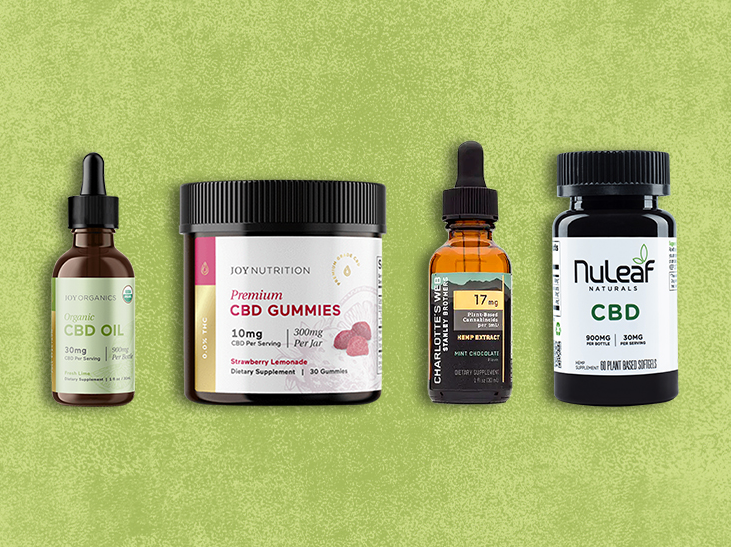
- Best Oil: Charlotte’s Web CBD Oil
- Best Gummies: Joy Organics CBD Gummies
- Best Tincture: Joy Organics Organic CBD Tincture
- Best Capsules: New Leaf Full Spectrum CBD Capsules
CBD and high blood pressure
Blood pressure is the pressure that the blood exerts against the walls of the arteries. Arteries carry blood from the heart to other parts of the body.
Credible sources at the Centers for Disease Control and Prevention (CDC) say that it is normal for blood pressure to rise and fall throughout the day. However, if a person’s blood pressure levels are consistently high, they may have high blood pressure.
A person may not know that they have high blood pressure because people who have it usually do not experience any symptoms. As a result, health care professionals may recommend regular blood pressure checks.
If a person is not diagnosed and treated, high blood pressure can lead to other health conditions, such as:
- Heart attack
- A stroke
- Chest pain
For more information and resources on CBD and CBD products, please visit our dedicated hub.
Can CBD Lower Blood Pressure?
There is some evidence to suggest that CBD may help lower blood pressure.
Doctors may prescribe medications for people with high blood pressure. If a person is taking blood pressure medication and uses CBD products, it is important that they tell their doctor.
What does the research say?
Some research studies show that CBD products can help lower blood pressure.
A 2020 study found that CBD may have vasodilatory effects in human and rat arteries. The authors suggest that CBD may improve flow because it dilates blood vessels.
Effects of a single dose of CBD oil in healthy participants. The authors found that it reduced blood pressure in both resting subjects and those under stress.
According to the American Institute of Stress, stress can cause high blood pressure. This is because the heart is pumping faster and stress hormones constrict the blood vessels.
However, researchers need to conduct more studies to determine the effect of CBD on cardiovascular conditions.
CBD should not be used to replace prescribed high blood pressure medications. A doctor should be consulted if someone taking this medication chooses to add CBD to their treatment plan.
Learn more about high blood pressure here.
Dangers of CBD
A trusted source from the Food and Drug Administration (FDA) states that there may be some potential risks when using CBD products. These may include:
Interactions with other drugs
Drowsiness or restlessness, if the person is taking medications that treat anxiety, stress, or sleep disorders.
Increased risk of diarrhea and loss of appetite.
Mood changes, such as irritability and agitation
Liver injury
Low blood pressure
A 2017 review by Trusted Source found that taking CBD with antihypertensive medications can alter blood concentrations of either substance. If a person uses CBD and blood pressure medications, they need to inform their doctor.
Learn more about CBD dosage and side effects here.
CBD and pregnancy
The FDATrusted Source does not recommend using CBD products during pregnancy or while breastfeeding.
There isn’t enough research on how CBD might affect a developing fetus. However, there is some evidence, from trusted sources, to suggest that high doses of CBD in pregnant test animals can affect the reproductive system of male fetuses.
However, a 2021 study investigating the effects of CBD in pregnant rats found that daily doses of CBD were unlikely to accumulate in rats and their fetuses.
More research is needed to investigate the potential risks of using CBD during pregnancy.
Learn more about smoking cannabis during pregnancy here.
How we select products and services.
Ingredients: Products must contain safe and high-quality ingredients, and must clearly state all ingredients on their labels. They should also certify that they are free of pesticides, heavy metals and mold.
Dosage: Products must clearly state the dosage of CBD.
Serving size: Manufacturers should recommend a safe serving size.
Third-Party Labs: Products must undergo third-party testing for contamination by an ISO 17025-compliant laboratory.
Certificate of Analysis Available: The company should demonstrate transparency and share the product’s Certificate of Analysis (COA) after receiving the third-party lab results.
Best CBD Products for Blood Pressure
There are various CBD products that may be suitable for people with high blood pressure, including gums, tinctures or drops and capsules. They can be either full spectrum or broad spectrum CBD.
Full spectrum products contain naturally occurring hemp plant extracts and up to 0.3% THCT. Broad-spectrum CBD products contain several compounds from the hemp plant but are generally THC-free. However, some products may contain traces of THC, while others may contain up to 0.3% THC.
It is important to check the product label before making a purchase.
Learn more about broad-spectrum CBD here.
Please note that the author of this article has not tested these products. All information presented is purely research based and correct at the time of publication.
Best Oil: Charlotte’s Web CBD Oil
- Price $59.99
- CBD content 510 mg
A full spectrum of CBD varieties
Charlotte’s Web CBD Oil contains 17 milligrams (mg) of CBD per 1 milliliter (ml) serving.
The company recommends storing the product at room temperature away from light.
It is available in mint chocolate, lemon twist, orange blossom and olive oil flavors. Individuals who are sensitive to flavors can add the oil to their favorite foods or beverages.
People with high blood pressure may consider using Charlotte’s Web CBD oil. The company says this product can help:
- Sleep quality
- Stressful situations
- Exercise-induced inflammation
- Use code “HEALTH20” for 20% off.
Best Gummies: Joy Organics CBD Gummies
- Price $39.95
- CBD content 300 mg
- Wide spectrum of CBD types
Joy Organics CBD Gummies are vegan and contain 10 mg of broad-spectrum CBD per gummy.
According to lab reports, the company says its gums are THC-free, so people won’t experience highs.
This product comes in strawberry lemonade and green apple flavors.
The company says these gummies can:
- Help manage stress levels.
- Provide sleep support
- Reduce exercise-induced inflammation.
- People can use these gummies in the morning, afternoon, or evening.
Use code “healthcbd” for 15% off.
Best Tincture: Joy Organics Organic CBD Tincture
- Price $44.95
- CBD Content 4
There is growing interest in CBD as a treatment for a variety of conditions, but only one product currently has FDA approval. Unapproved products are legal in some states, but not all.
As regulation increases in the US, more specific dosages and prescriptions will begin to emerge.
For now, people should seek advice from a healthcare professional about which product to use and how much to take.
They should also do research to make sure they are following regional and local laws. FDATrusted Source provides information on a wide range of issues related to CBD use.
32 sources collapsed.
Clinically reviewed by Debra Rose Wilson, Ph.D., MSN, R.N., IBCLC, AHN-BC, CHT — By Jon Johnson — Updated March 19, 2020
Latest news
Advanced blood tests can detect cancers that are otherwise difficult to diagnose.
Scientists have developed a device that monitors the growth of tumors under the skin.
Cannabis use during pregnancy is linked to mental health problems in children.
Lung cancer in non-smokers: Scientists find how air pollution acts as a trigger
10,000 Steps vs. Power Walking: Are They Equally Beneficial?
Best CBD Oil 2022
- Benefits of CBD
- What is CBD oil?
- How do we choose?
- Products
- Comparison
- Is CBD suitable?
- How to use
- Other CBD forms
- Advantages and disadvantages
- Risks
- Contact a doctor
- Alternatives
Frequently Asked Questions
Abstract
We add products that we think are useful to our readers. If you make a purchase through the links on this page, we may earn a small commission. Here is our process.
CBD oil contains cannabidiol (CBD), a therapeutic compound derived from the hemp plant.
Is CBD Legal? The 2018 Farm Bill removed hemp from the legal definition of marijuana in the Controlled Substances Act. It made certain hemp-derived CBD products with less than 0.3 percent THC federally legal. However, CBD products containing more than 0.3 percent THC still fall under the legal definition of marijuana, making them illegal federally but legal under some state laws. Be sure to check state laws, especially when traveling. Also, keep in mind that the FDA has not approved over-the-counter CBD products, and some products may be mislabeled.
This article describes CBD oil in detail, including how to use it and its pros and cons. We also explore alternatives and answer frequently asked questions.
A quick look at the best CBD oils of 2022
- For a variety of flavors: Charlotte’s Web 60 mg CBD Oil.
- For Vegans: Spruce Lab Grade CBD Oil.
- For a certified kosher product: Lazarus Naturals Full Spectrum CBD RSO.
- To promote relaxation: Joy Organics Tranquil Mint CBD Oil Tincture.
- For different strengths: Green Roads CBD Oil.
- For Department of Agriculture certified organic products: Absolute Nature 1,000 mg CBD Oil Drops.
- Good Manufacturing Practice (GMP) compliant product for: Natural Full Spectrum CBD Oil.
- For pesticide-free products: FAB CBD Oil.
- For an isolate product: Cannabis Isolate CBD Oil.
- For a fast-acting oil: Green Gorilla Broad Spectrum CBD Oil
- For water-soluble oils: Ojaui Energetics Full Spectrum Hemp Elixir
- For an unflavored broad-spectrum tincture: Holmes Organic CBD Oil Tincture
- For high potency oils: FOCL Premium CBD Drops
What are the benefits of CBD?
Research shows that CBD can be beneficial in several ways. For example, a 2017 study found that the compound can reduce high blood pressure and reduce the blood pressure response to stress. And the Epilepsy Foundation reports that CBD can help treat seizures associated with certain epilepsy syndromes.
Not every CBD study involves human participants. A different 2017 study found that CBD oil could reduce the sensation of pain in mice.
Meanwhile, a 2018 review concluded that CBD can treat a variety of disorders, including those that cause pain and inflammation. These properties may make CBD oil a potential treatment:
Fibromyalgia
- Irritable bowel syndrome
- Menstrual pain
- Multiple Sclerosis (MS)
- Neuropathic pain
- sciatica
- Other types of aches and pain conditions
The oils contained within this article are of the highest quality, and their manufacturers provide proof of independent, third-party testing.
However, it’s still worth researching any CBD product to make sure it meets specific needs.
For more information and resources on CBD and CBD products, please visit our dedicated hub.
What is CBD oil?
CBD oil consists of CBD extracts from the hemp plant and a carrier oil such as hemp seed oil or coconut oil. CBD is one of many compounds in the hemp or industrial hemp plant.
Another well-known compound, tetrahydrocannabinol (THC), has strong psychoactive properties in cannabis.
High blood pressure, or high blood pressure, can lead to serious health concerns such as heart attack or stroke. But because high blood pressure doesn’t usually cause symptoms, many people who have it don’t even know it. That’s why it’s so important to check your blood pressure regularly.
If you have high blood pressure, you may have heard that cannabidiol (CBD) can help lower blood pressure. In addition to what the research says, here are tips to find a few products to explore.
What is high blood pressure?
Blood pressure is defined as the pressure of the blood against the walls of the arteries. Although it is normal for blood pressure rates to rise and fall over the course of a day, persistent high blood pressure levels are a problem.
There are two types of high blood pressure:
Primary hypertension is the most common. It develops gradually for no apparent reason, but may be related to genetics, physiological changes in the body, or excess body weight.
Secondary hypertension comes on quickly and can be more serious. There are a number of causes, including kidney disease, congenital heart defects, thyroid problems, alcohol use, and certain drugs and stimulants such as cocaine and amphetamines.
Because high blood pressure is often a silent condition, you may not experience symptoms until the condition becomes severe. At this time, symptoms may include:
- Headache
- Bleeding from the nose
- shortness of breath
- Dizziness
- Chest pain
- Flushing
- Changes in perspective
- Blood in the urine
If you are experiencing these types of symptoms, it is important to seek medical attention immediately.
CBD is one of the active compounds in the hemp plant. Unlike tetrahydrocannabinol (THC), it does not have addictive properties or produce a “high.” Instead, much of the focus is on CBD’s potential therapeutic uses. It can be helpful for everything from pain relief and better sleep to anxiety and even addiction.
CBD is available in a few different forms: full spectrum, broad spectrum and isolate.
While both full-spectrum and broad-spectrum contain other compounds from the hemp plant — such as flavonoids, terpenes and other cannabinoids — full-spectrum CBD is the only variety that contains some THC (usually less than 0.3 percent).
CBD isolate is pure CBD. But it’s important to know that any type of CBD can contain trace amounts of THC that can show up in a drug test.
These three forms of CBD are made into a variety of products, including:
Oils and tinctures. These liquids are infused with CBD. You can either put them under your tongue or add them to food and drinks.
Edibles Sometimes, CBD is added to foods like gummies or drinks like tea. Edibles are among the most popular ways to use them because they are discreet and easy to consume.
Capsule. CBD can be taken in pill or capsule form.
Topicals. Topical CBD is applied directly to the skin for targeted relief.
Vape juice. These products are designed to be inhaled using a vape pen. The effects are very rapid, but there have been reports of vapor-related lung injuries. At this time, we don’t know if vaping CBD poses the same risks.
How does CBD work?
CBD interacts with the body’s endocannabinoid system (ECS), a complex system that helps regulate many processes in the body.
Although our understanding of the ECS is still evolving, we know that it is made up of three components:
Endocannabinoids, which are molecules made in the body.
endocannabinoid receptors, which are found throughout the body; The main receptors are called CB1 and CB2 receptors.
Enzymes, which break down the endocannabinoids when they’ve done their job.
Currently, researchers believe that the primary role of the ECS is to maintain homeostasis in the body. The ECS is involved in many processes in the body, including:
- Appetite and digestion
- Metabolism
- Pain
- Mood
- to sleep
- Motor control
Cannabinoids, including THC and CBD, interact with the ECS by binding to receptors similar to endocannabinoids.
Although THC can bind to both CB1 and CB2 receptors, researchers do not yet understand how CBD interacts with the ECS. One theory is that CBD prevents endocannabinoids from breaking down, allowing them to have a greater effect on the body. Another theory is that CBD binds to a receptor that researchers have not yet identified.
A 2011 study from Trusted Source suggests that taking both THC and CBD, along with other compounds in the hemp plant, may be more effective than using the cannabinoid alone. This theory is called the entourage effect, and is why some people say that full-spectrum CBD works better than broad-spectrum or isolates.
Can CBD help lower blood pressure?
There is evidence that CBD products can help lower blood pressure, but the research is somewhat conflicting.
A 2017 Trusted Source study of nine male participants found that a single dose of CBD in healthy participants lowered blood pressure for both rested and stressed subjects.
Another 2017 study in mice
Essential Oils for High Blood Pressure
- Types
- uses
- Safety
- take away
- Essential Oils and Blood Pressure
High blood pressure, or high blood pressure, is common among American adults. If left untreated, it can result in heart attack and stroke.
Some believe that taking essential oils can lower blood pressure that is persistently high. A 2012 clinical study on the effect of aromatherapy on high blood pressure supports this idea. The study used a blend of lavender, ylang ylang, marjoram and neroli essential oils.
Essential oils can be used effectively alone or in combination with other oils. However, there is limited scientific research on the effectiveness of essential oils for high blood pressure. If you have high blood pressure, consult your doctor before using essential oils as a natural remedy.
Healthline Resource
Free Cholesterol Lowering Tips – All Medically Reviewed
Get our Cholesterol Micro Lessons to help you make lasting lifestyle changes to manage your cholesterol levels. Our experts have collected cholesterol-lowering tips in a free 5-minute lesson.
Essential oils to lower blood pressure
Here are 18 of the essential oils recommended by those who advocate their use to treat high blood pressure.
Bergamot essential oil can lower heart rate and blood pressure.
Cedarwood essential oil can promote relaxation and temporarily lower heart rate.
Citronella essential oil helps reduce stress. This in turn can lower blood pressure.
Clary sage essential oil can reduce anxiety levels and thereby lower blood pressure.
Frankincense essential oil can reduce stress levels and regulate the heart.
Jasmine essential oil can reduce nervous system stress.
Helichrysum essential oil is believed to have hypotensive properties that act as a natural relaxant to lower blood pressure.
Lavender essential oil has calming properties that can reduce anxiety and heart palpitations.
Lemon essential oil is believed to relieve stress and depression, and thus helps lower blood pressure naturally.
Lemon balm essential oil can lower blood pressure while preventing heart palpitations, tachycardia, and heart attacks.
Lime essential oil is said to have stress-relieving properties.
Neroli essential oil may have antihypertensive properties.
The calming effect and anti-inflammatory properties of rose essential oil help to relax the entire body to increase blood circulation and reduce high blood pressure.
Sage essential oil can promote weight loss by increasing the body’s metabolism. Weight loss has been shown to have a positive effect on lowering blood pressure.
Sweet marjoram
Sweet marjoram essential oil can dilate blood vessels to reduce high blood pressure.
Valerian
Valerian essential oil can have powerful calming effects on the nervous system, which can:
- Low blood pressure
- Ease heart rate.
- Reduce insomnia.
- Calm hyperactivity
- Reduce nervous tension.
- dude
Yarrow essential oil is considered one of the top oils for improving blood circulation.
Ylang Ylang essential oil can help reduce levels of cortisol, known as the “stress hormone” and thereby lower blood pressure.
Use of essential oils for high blood pressure
Essential oils can be used alone or mixed together. Those who advocate their use suggest combinations to maximize the potency of different plants. Here are a few examples of compounds that are believed to target high blood pressure.
Lotion prescription
Ingredients:
- 5 drops of lavender essential oil.
- 5 drops of clary sage essential oil.
- 5 drops of frankincense essential oil.
2 oz of coconut oil
Instructions:
- Mix all the ingredients well.
- Rub a small amount into your temples and under your nose.
- Diffuser recipe
Ingredients:
- 3 drops of bergamot essential oil.
- 3 drops of lavender essential oil.
- 3 drops of ylang-ylang essential oil.
Instructions:
- Combine the ingredients.
- Pour the mixture into an aromatherapy diffuser.
- Inhale the oil slowly for 15 to 30 minutes.
- Oil massage recipe
Ingredients:
- 10 drops of lavender essential oil.
- 7 drops of ylang-ylang essential oil.
- 5 drops of sweet marjoram essential oil.
- 1 drop of neroli essential oil
- 2 oz of almond oil
- Instructions:
- Combine sweet marjoram, ylang-ylang, mandarin, and lavender essential oils.
- Mix 7 drops of this essential oil blend with almond oil.
- Use it as a massage oil or add it to a hot bath.
- Are essential oils safe?
According to the National Cancer Institute Trusted Source, safety tests of essential oils have shown few risks or side effects when these oils are used as directed. The majority are labeled GRAS (generally recognized as safe) by the US Food and Drug Administration (FDA).
Essential oils should not be ingested, only diluted in a carrier oil and applied to the skin (massage) or i
Cannabidiol oil, also known as CBD oil, is a medicinal product derived from hemp. There are many primary chemicals in cannabis called cannabidiol. However, CBD oils do not contain THC, the compound in cannabis that makes you “high”.
Researchers have recently begun to focus on the effects of CBD oil on several conditions that cause pain, including rheumatoid arthritis (RA). So far, the results are promising. Keep reading to learn more about what recent studies suggest about CBD oil as well as tips on how to use it.
What does the research say?
The first controlled trial to evaluate the use of cannabis-based medicine for the treatment of RA was conducted in 2006. The researchers concluded that, after five weeks of use, the cannabis-based drug Sativex reduced inflammation and significantly improved pain. Participants also reported better sleep, and most side effects were mild.
A 2008 review of the use of CBD to treat chronic pain similarly concluded that CBD reduced pain and improved sleep with no adverse side effects.
In 2016, another study was conducted using CBD gel on rats. The researchers again found that CBD gel reduced both joint pain and inflammation without any side effects.
Although all of this research is very promising, existing studies are relatively few. Many more studies, especially on larger numbers of human participants, are still needed to fully understand the effects of CBD oil and other cannabis-based treatments on RA symptoms.
How does it work?
CBD oil affects brain activity, but not in the same way that THC, the main psychoactive ingredient in marijuana, does. CBD oil interacts with two receptors called CB1 and CB2 to reduce the effects of pain and inflammation.
CB2 also plays a role in your immune system. RA involves your immune system attacking the tissue in your joints. So this connection to the immune system may explain why CBD oil works well for RA symptoms.
In addition, CBD’s anti-inflammatory effects may also help slow or prevent the progression of RA, which causes permanent damage to your joints over time. These effects may also reduce inflammation-related RA symptoms such as fatigue and fever.
How is it used?
CBD oil comes in both liquid and capsule form. You can take capsules by mouth or add CBD oil to food or water. You can also mix CBD oil with your favorite lotion and apply it directly to your skin to help with stiff, sore joints. Some brands also offer treatment salves that you can apply directly to your skin.
Work with your doctor to find the best diet for you. It’s best to start with a very small dose so you can see how your body reacts. You can try increasing your dose gradually if you don’t notice any side effects.
When choosing one, make sure it’s from a trusted supplier and includes a complete list of ingredients.
It is also possible to apply CBD oil topically and many cream and lotion products are becoming available for purchase.
Are there any side effects?
CBD oil does not come with any serious potential side effects. However, you may experience some mild side effects, especially when you first use it. If you have been taking RA medications for a while, these side effects may be more severe. These include:
- Nausea
- Fatigue
- Diarrhea
- Changes in appetite
If you’re considering trying CBD, it’s important to talk to your doctor first. CBD may interact with your existing medications or supplements.
Both CBD and grapefruit interact with enzymes important to drug metabolism, such as cytochrome P450 (CYPs). Be extra careful if any of your medications or supplements come with grapefruit warnings.
In a study on rats, consuming CBD-rich hemp extract was associated with an increased risk of liver toxicity. However, some study rats were given large amounts of the extract by force-feeding.
Is it legal?
Hemp and hemp-derived products, such as CBD oil, are legal in certain parts of the United States for medicinal or recreational use.
If cannabis is only legal for medicinal use in your state, you will need a recommendation from your doctor before purchasing CBD oil. If cannabis is legal for recreational use, you should be able to buy CBD oil at dispensaries or even online.
Check this map to see what the laws are in your state. Also, check the rules of the places you can visit.
Can’t find CBD oil in your area? Learn about other alternative treatments for RA symptoms.
The bottom line
So far, studies looking at the benefits of CBD oil for people with RA are promising. However, larger human studies are needed to fully understand its effects. Keep in mind that CBD oil is not FDA approved and remains illegal in many states.
Is CBD Legal? Hemp-derived CBD products (with less than 0.3 percent THC) are legal at the federal level but are still illegal under some state laws.
CBD can change the way your body processes certain medications.
Cannabidiol (CBD) has gained widespread attention for its ability to reduce symptoms of insomnia, anxiety, chronic pain, and other health conditions.
And while studies are ongoing on how effective CBD is, many people are giving it a try.
Research to date shows that CBD is generally safe and has few if any, minor side effects. But there’s one big caveat: CBD has the potential to interact with some medications. The concern is related to how the body metabolizes certain substances.
Before trying CBD, it’s important to talk to your doctor about all vitamins, supplements, and prescription and over-the-counter medications you’re taking. Here’s a deeper look at why communication matters.
Drug metabolism and CYP450 enzymes
When you take a drug or other substance, your body has to metabolize it, or break it down. Drug metabolism occurs throughout the body, such as in the intestines, but the liver also does a large part of the work.
A family of enzymes called cytochrome P450 (CYP450) Trusted Source plays an important role in converting foreign substances so they can be easily eliminated from the body.
But some drugs or substances affect CYP450, either by slowing or speeding up the drug’s metabolism. This change in metabolism rate can change how your body processes the drugs or supplements you take.
Why does CYP450 matter when it comes to CBD and medicine?
The CYP450 family of enzymes is responsible for metabolizing many cannabinoids, including CBD, research shows. In particular, CYP3A4, a key enzyme within the CYP450 family, does this. But during this process, CBD also interferes with CYP3A4.
The CYP3A4 enzyme is responsible for metabolizing 60 percent of clinically prescribed drugs. But if CBD is inhibiting CYP3A4, it may not work as effectively to break down the drugs in your system.
The reverse can also happen. Many drugs inhibit CYP3A4. If you take CBD while on these medications, your body may not be able to process CBD effectively.
If your body is metabolizing a drug too slowly, you may have more of the drug in your system at one time than you intended — even if you stick to your regular dose. Increased levels of the drug in your system can exaggerate its effects, including unwanted or harmful side effects.
Some substances also stimulate the activity of the CYP450 enzyme family. If your body is metabolizing a drug too quickly because another substance is stimulating the enzymes, you may not have enough of the drug in your system to treat the health problem at one time.
Trying CBD Safely While Taking Medication
If you want to try CBD as an adjunctive therapy to ease the symptoms of a particular condition, talk to your doctor first.
They can help determine a CBD product, dose, and schedule that is safe with your medications. In some situations, your doctor may monitor the blood plasma levels of certain medications you take.
Do not stop any of your medications to try CBD, unless your doctor says it is safe to do so.
Keep in mind that topical CBD, such as lotions, creams, and salves, may also be an option. Unlike oils, edibles, and vapor solutions, topicals don’t usually enter the bloodstream—unless they’re a transdermal solution intended to do so.
Possible drug interactions
Watch out for the grapevine warning
While studies are still underway to determine potential interactions between CBD and certain medications, in the meantime there is a rule of thumb that can help consumers: Avoid CBD if your medication label has a grapefruit warning. Is.
This warning indicates that people taking the drug should avoid consuming grapefruit or grapefruit juice.
According to the Food and Drug Administration’s Trusted Source, consuming grapefruit while taking any of these medications can lead to higher concentrations of the drug in the bloodstream and adverse side effects or overdose.
More than 85 drugs interact with the juice of grapefruit and some closely related citrus fruits — such as Seville oranges, pomelos, and tangelos. This is because chemicals in grapefruit called furanocoumarins inhibit CYP3A4, just like CBD. The result is slower metabolism of the drug.
Grapefruit warnings are common across many classes of drugs, but not all drugs within a category will require avoiding grapefruit. Check your medicine’s insert or ask your doctor.
Types of drugs that usually have grapefruit warnings.
- Antibiotics and antimicrobials
- Anti-cancer drugs
- Antihistamines
- Anti-epileptic drugs (AEDs)
- Blood pressure medications
- Blood thinners
- Cholesterol medications
- Corticosteroids
- Erectile dysfunction drugs
- GI medications, such as treating GERD or nausea
- Heart rhythm medications
- immunosuppressants
- Mood medications, such as anxiety, depression,
Healthline has sole editorial control over this article. The potential uses of the products listed here are not health claims made by the manufacturers. The information provided in this article is intended to be general in nature. It is not intended to replace medical advice from a healthcare professional. Healthline encourages you to make any treatment decisions with your healthcare professional.
Cornbread hemp is having a big sale just in time for Labor Day weekend.
The company’s buy-two-get-one-free sale ends on September 6.
The sale is sitewide but does not include bundles with gift cards.
If you’re enjoying the benefits of cannabidiol (CBD), or are interested in learning how full-spectrum CBD oil can help you – for a short time, you can get high-quality CBD products at a discounted price. can buy
Now through September 6th, Cornbread Hemp is having a site-wide, buy-two-get-one-free sale on their line of full-spectrum CBD oil products.
Customers can avail of the sale by using code DAY OFF.
What to know about selling CBD?
Full-spectrum CBD oil contains all compounds naturally found in the hemp plant, including less than 0.3 percent THC, so you won’t get high as you enjoy the benefits of this all-natural CBD product.
CBD is a chemical compound found in the hemp plant, and its use is associated with many health benefits. These include Pain Relief Trusted Source and Anxiety Relief Trusted Source.
Cornbread Hemp offers several ways to enjoy full-spectrum CBD oil.
They offer Whole Flower USDA Organic CBD Oil for nighttime use and Distilled USDA Organic CBD Oil for daytime use.
For those who want to experience the benefits of CBD oil in a specific area, Cornbread sells CBD lotion with hemp menthol, which absorbs quickly and contains only natural ingredients.
They also have CBD gummies that contain 2mg of THC. These gummies are vegetarian and contain no high fructose corn syrup or artificial food coloring.
In addition to their site-wide sales, Cornbread Hemp offers subscription options and free shipping on orders over $75. Regular customers can also use their points program to save more money.
Is CBD Legal? The 2018 Farm Bill removed hemp from the legal definition of marijuana in the Controlled Substances Act. It made certain hemp-derived CBD products with less than 0.3 percent THC federally legal. However, CBD products containing more than 0.3 percent THC still fall under the legal definition of marijuana, making them illegal federally but legal under some state laws. Be sure to check state laws, especially when traveling. Also, keep in mind that the FDA has not approved over-the-counter CBD products, and some products may be mislabeled.
No CBD Products: A 2022 Review
- about someone
- Best for
- fame
- Quality and transparency
- Product range and pricing
- Customer service
- Advantages and disadvantages
- Excellent product
- getting started
- Comparison chart
- How to choose
- Our procedure
- How to use
- Safety and side effects
Frequently Asked Questions
Take away
We add products that we think are useful to our readers. If you make a purchase through the links on this page, we may earn a small commission. Here is our process.
Healthline has sole editorial control over this article. The potential uses of the products listed here are not health claims made by the manufacturers. The information provided in this article is intended to be general in nature. It is not intended to replace medical advice from a healthcare professional. Healthline encourages you to make any treatment decisions with your healthcare professional.
Cannabidiol (CBD) is a compound found in the hemp plant that, unlike tetrahydrocannabinol (THC), does not produce the feeling of intoxication that you might associate with using cannabis. Its mild effects and promising health benefits, such as pain relief, make it a popular product.
With so many CBD products on the market, it can be difficult to sort out the good ones from the bad ones. Below, we take a closer look at Koi CBD’s reputation, transparency, and product range.
Koi Natural is a CBD and cannabis company that makes a variety of CBD and THC products using hemp grown in the United States. The company was launched in 2015 and is a member of various CBD organizations, including the Hemp Industries Association and the California Hemp Council. Koi also serves on the Natural US Hemp Roundtable Board of Directors.
Who Is CBD Best For?
Koi is particularly suited to those looking for broad-spectrum CBD products as most of the brand’s product line contains broad-spectrum CBD. Broad spectrum products are a good option for those who want to avoid THC.
Fame
Koi CBD, located in Norwalk, California, debuted in 2015. Unfortunately, the company has been involved in a few legal issues since then.
Discussion
The purpose of this study was to determine whether CBD alters hemodynamics in vivo. Our analysis showed that acute and chronic doses of CBD had no effect on BP, HR, or BF under control conditions. However, under stressful conditions, CBD attenuates the increase in MBP and HR observed in rats. Subgroup analysis revealed that acute CBD administration increases HR in rats and mice, and increases CBF in mouse models of stroke. Our review highlights the limited amount of human research conducted to date and suggests that further work is needed to evaluate the hemodynamic and regional BF effects of acute and chronic CBD administration in healthy volunteers and patients.
Overall, our meta-analysis showed that acute and chronic doses of CBD had no effect on BP, HR, or BF under control conditions. However, significant differences exist with respect to species and model, dose and route of administration, and method and timing of endpoint measurements (see Table 1), making it difficult to compare studies. It is possible that species differences play a role. For example, Bright et al. Significant increases in HR and BP were found with CBD (0.5 and 1 mg/kg) in anesthetized dogs (Bright et al., 1974, 1975), however, no change in HR with CBD (25 mg/kg). Not seen. anesthetized rabbits (Borgen and Davis, 1974). It’s also worth noting that most of the human data reviewed showed no significant effects of CBD, while significant effects were observed in animal studies. The timing of cardiac measurements is also very important. For example, in a study that examined the cardiovascular effects of CBD (50 μg/kg i.v.) in rats, it was shown that control of ischemia after two and a half hours compared to CBD post-treatment in BP. (Walsh et al., 2010)) However, another study evaluating CBD at the same dose and route of administration on cardiac arrhythmia (Gonca and Darici, 2015) found no change in BP. was not found, although it was measured only 11 min after ischemia, thus suggesting no potential changes in later hemodynamics. A larger number of similar studies are needed to assess the hemodynamic effects of CBD under reported control conditions.
Our systematic review highlighted that there are a limited number of studies examining changes in regional BF with CBD, with studies to date only examining changes in cerebral or myocardial BF. From the limited studies available, our analysis revealed no significant changes in overall BF following CBD administration. However, in rat and pig models of stroke, intraperitoneal or intravenous administration of CBD (3 mg/kg or 0.1 mg/kg, respectively) significantly reduced infarct volume and acute and chronic dosing. subsequently increased CBF (Mishima et al. 2005; Hayakawa et al., 2007a,b; Alvarez et al., 2008). Similarly, in a rabbit myocardial infarction model, CBD treatment at 100 μg/kg modestly reduced myocardial ischemic injury size and increased myocardial BF (Fang et al., 2015). Together, this suggests that further investigation of the effects of CBD on regional BF is warranted, particularly under pathological conditions.
No correlation was found between CBD dose and effect size. However, in conscious monkeys, toxicological studies showed that very large doses of CBD (150–300 mg/kg) caused bradycardia, and CBD doses >200 mg/kg caused heart failure and death. (Rosenkrantz et al., 1981). However, it is worth noting that this would equate to a 14,000 mg dose in a 70 kg human. Intracisternal administration of CBD had no effect on increases in BP or HR induced by acute restraint stress in rats whereas systemic administration did (Grangero et al., 2011). Similarly, no effect in BP was observed after intracerebral CBD injection in rats (Gomez et al., 2013). This suggests that systemic administration of CBD is required to observe changes in hemodynamics.
Although CBD did not affect hemodynamics under control conditions, our analysis demonstrated the effects of CBD under pathological conditions. For example, in piglet models of hypoxic injury, intravenous administration of CBD (0.1 mg/kg) maintained a stable BP after hypoxic injury compared to control animals where a decrease in BP was observed (Alvarez et al. et al., 2008). In addition, in rats conditioned to stress (i.e., restraint or fear), CBD reduced the increase in HR and MBP (Resstel et al., 2006, 2009; Gomes et al., 2012). However, there were no significant changes in MBP or HR post-CBD in mouse models of stroke (Mishima et al., 2005; Hayakawa et al., 2007a, 2008). This suggests that CBD may regulate hemodynamics when they are altered during stress or acute illness.
Most of the relevant studies identified were preclinical, and data on the effects of CBD on hemodynamics in humans are limited (n = 36 for BP, n = 87 for HR). A single oral dose of CBD (320 μg/kg, 1 mg/kg, 100, 300, 600, or 1200 mg) had no effect on BP or HR in healthy volunteers.