Cbd oil for kids review
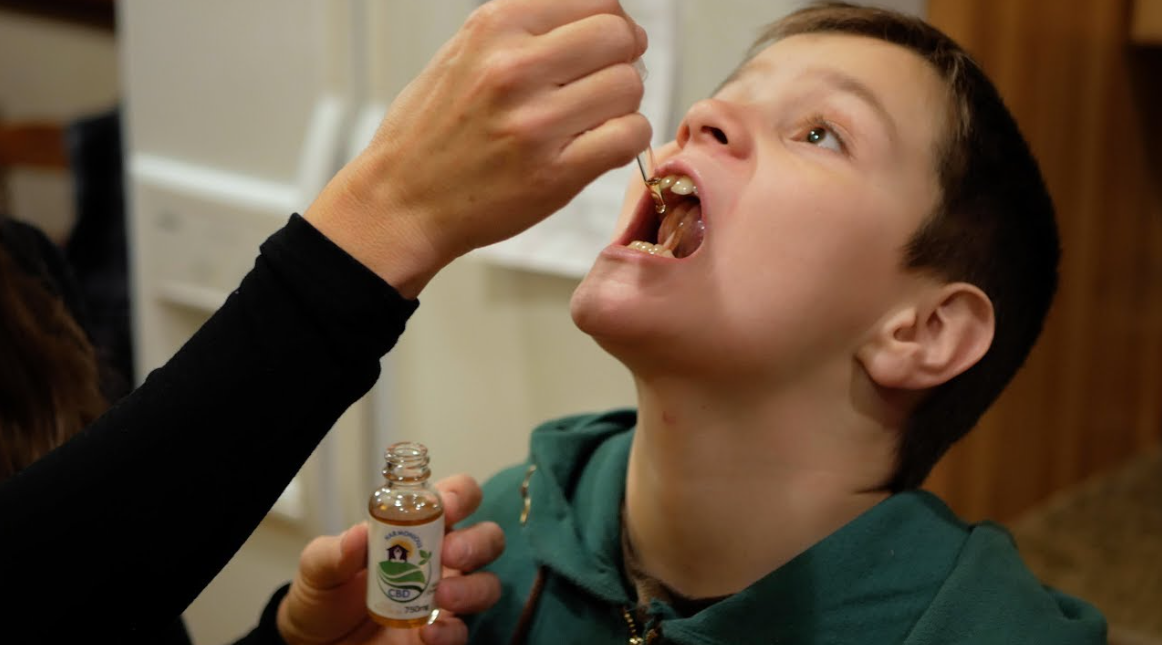
CBD is short for cannabidiol, a chemical compound found naturally in marijuana and hemp. CBD is sold as oils, balms, gums, and other products. The CS Mott Children’s Hospital National Poll on Children’s Health asked a national sample of parents of children ages 3-18 about the use of CBD in children.
Most parents say they either don’t know much about the use of CBD in children (46%) or have never heard of it before this poll (34%). 17% report knowing some, and only 3% saying they know a lot about the use of CBD in children. Most parents (71%) had never used a CBD product themselves, while 24% had tried CBD and 5% used a CBD product regularly.
Parents say the factors that would be most important in deciding whether to give their child a CBD product are side effects (83%), if it has been tested for safety in children (78%). , how well it works in children (72%) . Their child’s doctor’s recommendation (63%), US Food and Drug Administration approval (58%), and product reviews (41%).
Three-quarters of parents (73%) think CBD can be a good option for children when other medications don’t work. Most parents (83%) think CBD products should be regulated by the FDA, and three-quarters (74%) say CBD for children should require a doctor’s prescription. A third of parents (35%) think that taking CBD is essentially the same as using marijuana.
Over 90% of parents have never given or considered a CBD product to their child. Only 2% have given their child a CBD product, while 4% have considered CBD for their child. 1% say their child has used CBD without their permission.
Among parents who have given or considered giving CBD to their child, only 29% say they have discussed using CBD with their child’s health care provider. The most common reasons parents give or consider giving CBD to their child include anxiety (51%), sleep problems (40%), ADHD (33%), muscle pain (20%), autism (19%). %) include the child generally feels better (13%).
Parental attitudes toward CBD for children. Percentage of parents who say CBD for children… should be regulated by the FDA (83%), require a doctor’s prescription (75%), a good option when other medications don’t work Option may be (73%)
Highlights
3 in 4 parents say CBD for children requires a doctor’s prescription.
Of the 7% of parents who have given or considered giving their child a CBD product, only one-third have discussed using CBD with their child’s health care provider.
While 83% of parents think CBD products should be regulated by the FDA, only 58% say FDA approval would be very important to their decision about giving their child a CBD product.
Implications
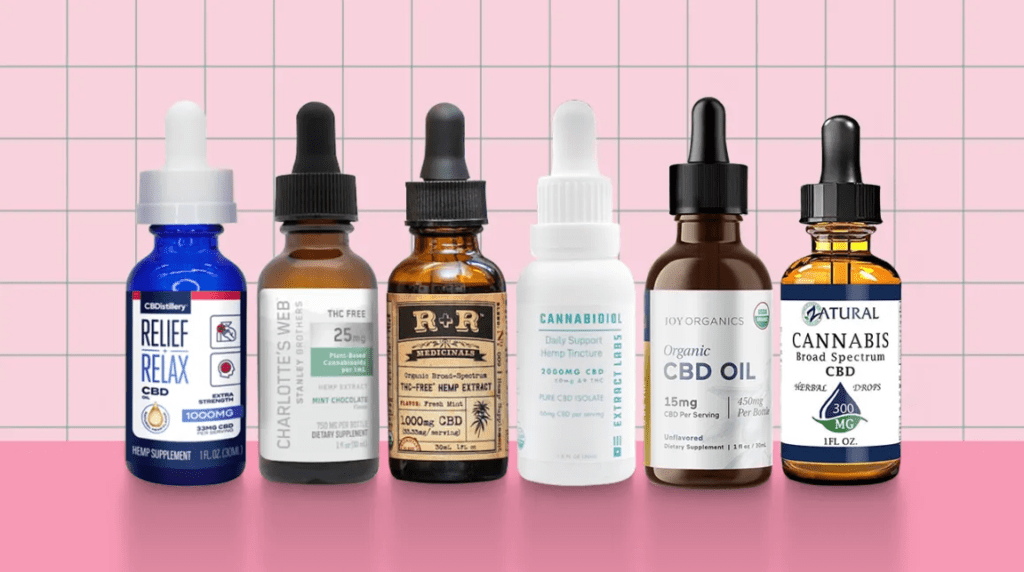
Products containing cannabidiol (CBD) are sold online and in stores that specialize in CBD products, as well as in supermarkets and drugstores. CBD products come in many forms, including oils, topical ointments, tinctures, vaping, edibles and gummies. Some CBD products are marketed to children.
This poll shows that although CBD products are widely available, parents have limited knowledge about them and most have not considered giving their child a CBD product. However, three-quarters of parents seem open-minded to CBD products when other medications don’t work.
Parents also demonstrated some inconsistencies in their attitudes toward CBD products for children, including the regulation of these products. For example, 83% indicated that CBD products should be regulated by the US Food and Drug Administration (FDA), yet only 58% considered FDA approval in their decision to use CBD for their child. Considered very important for the decision. Currently, only one CBD product has received FDA approval for use in children, as a treatment for a rare form of epilepsy. It’s unclear whether parents recognize that any CBD products they see in stores are not regulated by the FDA.
Parents indicated that side effects were their top consideration in determining whether to use a CBD product for their child. There have been some reports of CBD side effects, including sedation and general fatigue, insomnia, and gastrointestinal upset. However, because CBD products have not undergone rigorous testing to gain FDA approval, the rate and severity of side effects are unclear — both short-term side effects such as nausea, vomiting, and stomach pain, as well as potential long-term ones. Term effects eg. Liver toxicity. Other side effects may occur if CBD causes interactions with other medications the child is taking. Due to the relatively low use of CBD products in children, their adverse effects in children are also less known or understood.
One-third of parents in this poll believe that taking CBD is essentially the same as using marijuana, consistent with parents’ overall limited knowledge of CBD products. Marijuana contains a psychoactive substance, tetrahydrocannabinol (THC), which produces the “high” effect. Federally controlled.
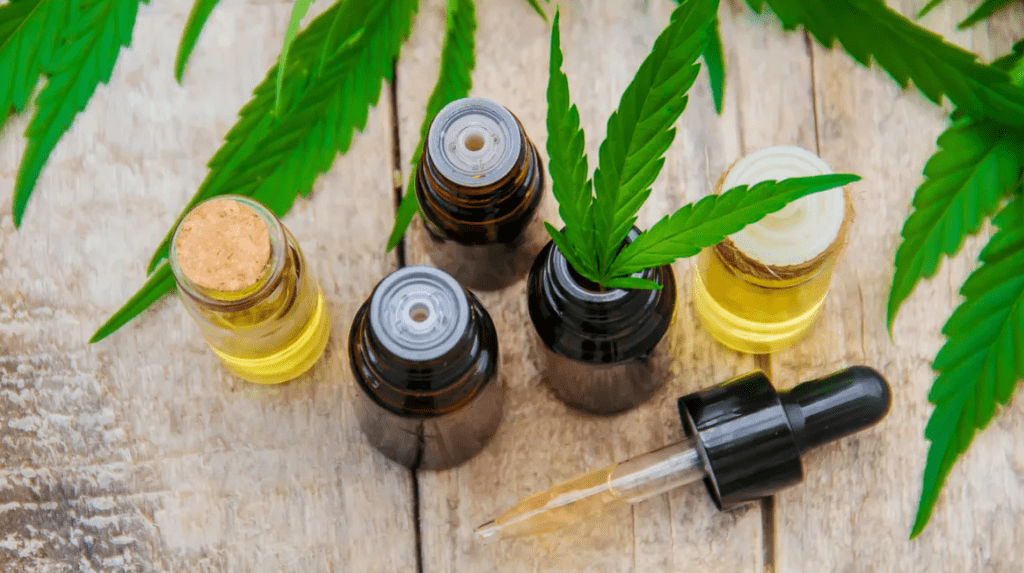
If you are a parent, you will go above and beyond to keep your child healthy
You may have heard your friends say that they are using CBD oil with their children. If you don’t know what CBD is, don’t worry—I’ll explain everything in this article, including why you might want to consider using the supplement with your kids, too.
Long story short, CBD stands for cannabidiol, a natural compound in the hemp plant that has positive effects on the body and mind but is non-psychoactive unlike THC.
CBD is becoming increasingly popular for a variety of negative symptoms, from anxiety to pain and inflammation (read more here).
It comes in many different forms, including CBD oil, capsules, edibles, beverages, vaping liquids, and topical products.
*Please consult your doctor before making any decisions about trying new products for your child’s health.
Could CBD (cannabidiol) oil be a new use for calming children? With states greenlighting the green stuff one after another, there’s a new wave of marijuana-using millennials and open-minded parents who are more open-minded about giving their babies and children marijuana and hemp-derived oils. are more curious.
In a private moms group I belong to on Facebook, since October 2017 there have been over 100 threads about incorporating CBD into families, and there was an honest discussion among parents about an article that CBD-infused hot chocolate included. . Guide mothers wanted to know if it was safe to serve it to their children at bedtime, and expressed their opinion that it was fine to use in small doses or for children with autism and anxiety who medically needed it. Is. There was a lot of curiosity around the topic — is it safe for all children?
Attitudes around pot and CBD oil are also constantly evolving. Federal advisors to the Food and Drug Administration (FDA) unanimously voted to approve the drug Epidiolex on April 19, 2018, and the drug was officially approved on June 25, 2018. It is the first prescription cannabidiol drug recommended by an FDA committee for the effective treatment of certain forms of epilepsy.
While previous generations may have accepted the first line of treatment recommended by a family physician, there is indeed a new wave of parents who recognize that using CBD to treat a child can have life-changing benefits. More than ever, parents are starting these conversations. And don’t forget that parents (yes, even those who don’t personally use marijuana!) legally support and use CBD oil as medicine for their children who really need it. need of
To find out the real deal about CBD oil for kids, we spoke with cannabis expert Frank Lucido, M.D., of Berkeley, Calif., who has been consulting with individuals and families on alternative cannabis therapies since 1996. . of Albany, New York, whose daughter Haley has multiple seizures per day, and Leila Jarger of Huntingburg, Indiana, who reported problems with Child Protective Services after treating her daughter Jayla with CBD for her epilepsy. are facing
This content has been imported from Pool. You may be able to find the same content in another format, or you can find more information on their website.
There are 2 types of cannabis plants: marijuana and cannabis.
Both contain tetrahydrocannabinol (THC) and cannabidiol (CBD). Marijuana has significant levels of THC, while hemp consists mostly of CBD. THC is the ingredient that can cause the “high” and lead to addiction and psychosis. Since hemp was legalized in 2018, CBD products have flourished. They claim to cure problems like acne, cancer, and mental health issues. Many famous cases include Charlotte, a little girl whose seizures responded well to a specially formulated CBD concentration known as Charlotte’s Web. However, there is limited scientific evidence to support these claims, and CBD may carry risks. Cannabis in general has many health effects, including regulating blood pressure, sugar, mood, pain, appetite and stress response. These effects have not been well studied in children. Young people are using CBD/THC products more often because they see these products trending on social media or advertised in storefronts. Even young people, thinking they are safe, are trying new types of products like Delta-8.
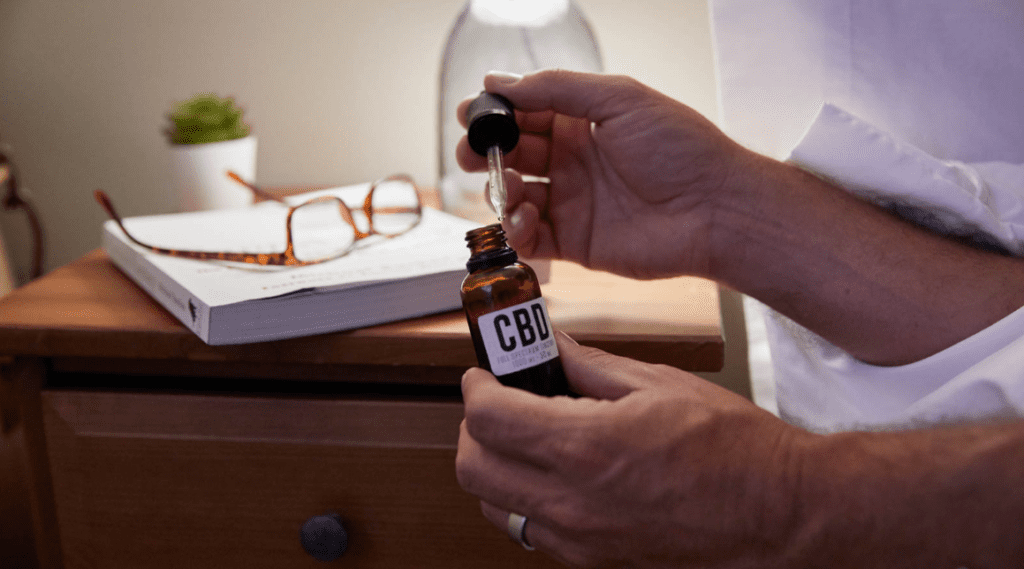
Adults use CBD to treat chronic pain, nausea, vomiting, mood disorders, and opiate addiction. In children, the only CBD product approved by the US Food and Drug Administration is Epidiolex (Greenwich Biosciences). It can only be used in clinical trials for 2 rare forms of childhood seizure disorder that do not respond to medication. In addition, new studies in children with autism spectrum disorder show promising improvements in hyperactivity, anxiety, sleep problems, and self-injurious behaviors. CBD is also being studied for depression and spasticity. However, CBD has significant negative effects. CBD is known to cause drowsiness, fatigue, and diarrhea, and there are reports that it can cause seizures in young children. It can cause liver damage and interact with other medications. Cases of CBD poisoning after consuming edibles or overdosing with an adult product have increased. CBD poisoning should be suspected if a child has unexplained vomiting, fever, or drowsiness. Most importantly, the long-term effects of CBD on the developing brain are unknown.
One of the reasons for these conflicting reports of whether CBD helps or hurts is that CBD products found online or in stores are not regulated by the Food and Drug Administration or any other national organization. Because of this, CBD products are often mislabeled, and many products may contain high levels of THC and other contaminants such as pesticides or heavy metals. Until more research is done, CBD should only be used in special cases to treat children who have not responded to treatment for specific seizures or possibly autism spectrum disorders. Stories of miracle cures for children are encouraging, but just because it is a plant product or readily available does not make it safe to use in children. Ask your primary care physician to discuss using CBD if you’re curious or think your child might benefit. Your doctor should be willing to talk non-judgmentally, with your child’s best interests in mind.
Anxiety and sleep disturbances are often a consequence of post-traumatic stress disorder and can lead to reduced ability to concentrate and display oppositional behaviors.
Case presentation
These symptoms were present in our patient, a ten-year-old girl who had been sexually abused and had minimal parental supervision as a child under the age of five. Pharmaceutical drugs provided partial relief, but the results were not long-lasting, and had major side effects. A trial of cannabidiol oil resulted in consistent reductions in anxiety and consistent improvements in the quality and quantity of patient sleep.
Cannabidiol oil, an increasingly popular treatment for anxiety and sleep problems, has been documented as an effective alternative to pharmaceutical drugs. This case study provides clinical data supporting the use of cannabidiol oil as a safe treatment for reducing anxiety and improving sleep in an adolescent girl with post-traumatic stress disorder.
Cannabidiol (CBD) oil is a naturally occurring component of industrial hemp and marijuana, collectively known as cannabis. CBD oil is 1 of at least 85 cannabinoid compounds found in hemp and is known for its medicinal benefits. After tetrahydrocannabinol (THC), CBD oil is the second most abundant component of cannabis. Other names for CBD oil include CBD-rich hemp oil, hemp-derived CBD oil, or CBD-rich hemp oil. Generally considered safe, CBD has been used medicinally for decades. However, CBD is not medical marijuana and should be distinguished from high-CBD varieties of medical marijuana, which contain THC, such as “Charlotte’s Web.”
The most abundant compound in cannabis, THC is also a cannabinoid. The THC component produces the psychoactive effect, the “high.” The hemp plant contains different amounts of CBD and THC depending on the strain and thus provides different recreational or medicinal effects. The cannabinoid profile of industrial hemp or medical marijuana is ideal for those looking for the medical benefits of CBD without the “high” of THC.
CBD’s mechanism of action is multifold. 1-3 There are two cannabinoid receptors in the human body: CB1 and CB2 receptors. CB1 receptors are located primarily in the brain and modulate the release of neurotransmitters in a manner that inhibits excessive nerve activity (thereby calming and reducing anxiety), as well as reducing pain. Reduces inflammation, regulates movement and posture, and regulates sensory perception, memory. , and cognitive function.a2 An endogenous ligand, anandamide, which occurs naturally in our bodies, binds to CB1 receptors through a G-protein coupling system. CBD acts indirectly on CB1 receptors by inhibiting the enzymatic breakdown of anandamide, allowing it to last longer in the system and provide clinical benefits. 4 CBD has a mild effect on CB2 receptors, which are located in the periphery in lymphoid tissues. . CBD helps mediate the release of cytokines from immune cells in a way that helps reduce inflammation and pain.
Other mechanisms of action of CBD include stimulation of vanilloid pain receptors (TRPV-1 receptor), which are known to mediate pain perception, inflammation and body temperature. It plays an important role in cardiovascular function and produces a widespread anti-inflammatory effect throughout the body. 5 At high concentrations, CBD directly activates the 5-HT1A serotonin receptor, thereby having an antidepressant effect. A potentially novel third cannabinoid receptor, GPR55, in the caudate nucleus and putamen, which if stimulated, may contribute to osteoporosis.7
Since the 1940s, a substantial number of published articles have dealt with the chemistry, biochemistry, pharmacology, and clinical effects of CBD. 8 The scientific literature on CBD has grown significantly in the last decade, due to its claims to reduce nausea and vomiting, combat psychiatric disorders, reduce inflammation, reduce anxiety and depression, improve sleep and sense of well-being. due to increasing Findings presented at the 2015 International Cannabinoid Research Society at its 25th Annual Symposium reported the use of CBD to alter conditions in kidney fibrosis and inflammation, metabolic syndrome, overweight and obesity, anorexia-cachexia syndrome, and osteosthustic mustrial conditions. has gone . 13-16
Although studies have demonstrated the calming, anti-inflammatory and relaxing effects of CBD, clinical data from real cases is minimal. This case study provides evidence that CBD is effective as a safe alternative treatment to traditional psychiatric medications for reducing anxiety and insomnia.
Workup during 2012 included laboratory studies, which ruled out thyroid dysfunction and iron or vitamin D deficiency. The patient was started on a 1 mg/night dose of melatonin, which helped with his sleep duration. Three grams of inositol 3 times a day and 500 mg per day of d-aicosapentaenoic fish oil were also helpful in reducing her anxiety. A trial of clonidine was performed, which resulted in hallucinations and was thus discontinued. The patient was switched to a regimen of 25 mg imipramine at bedtime to reduce anxiety, which proved helpful. Counseling sessions were started. The patient continued psychotherapy for 3 years, but was not seen again at our clinic until a return visit in January 2015, when she was no longer receiving any of her medications and supplements.
Upon the patient’s return in January 2015, he presented with the same prominent symptoms as at his initial presentation. At that time, initial treatment included the following supplements and medications to help her sleep and anxiety: melatonin, 5 mg/night; magnesium, 300 mg/d; and diphenhydramine (Benadryl), 25 mg/night. Our patient showed modest gains but still had tantrums at school and was reportedly difficult to manage at home. Besides, his underlying anxiety continued.
Cannabidiol oil was explored as a possible adjunctive treatment to help with her insomnia and anxiety, but we held off for two months while we awaited responses to other interventions. The grandmother preferred to reduce the pharmacologic burden because her granddaughter failed to respond long-term to psychiatric medications.
In March 2015, CBD oil was recommended as a possible adjunctive treatment to help with her insomnia and anxiety, and her grandmother provided fully informed consent. Our patient was administered the Sleep Disturbance Scale for Children 18 and the Screen for Anxiety Related Disorders (SCARED) 19 before receiving CBD oil and then every month for the next 5 months. Test scores on the Sleep Disturbance Scale for Children and the Screen for Anxiety-Related Disorders demonstrated improvement.
A trial of CBD supplements (25 mg) was then initiated at bedtime, and 6 mg to 12 mg of CBD sublingual spray per day was administered as needed for anxiety. A gradual increase in the quality and quantity of sleep and a decrease in its disturbance were noted. After 5 months, the patient slept in his room most nights and was handling the new school year without difficulty. No side effects have been observed from taking CBD oil.
Discussion
Studies repeatedly recognize the prevalence of anxiety-induced sleep disorders following a traumatic experience. 20 Our patient was definitely experiencing this phenomenon, exacerbated by stressful daily activities.
The main conclusion from this case study is that CBD oil may be an effective compound for reducing anxiety and insomnia secondary to PTSD. A review of the literature suggests some benefits from using CBD because of its anxiolytic and sleep-inducing effects. 9 Animal studies support this therapeutic use and report that “CBD may prevent anxiety-induced [rapid eye movement] sleep changes through its anxiolytic effect on the brain.” 21
The strength of this particular case is that our patient was not receiving any pharmaceutical medications (other than over-the-counter diphenhydramine), but only dietary supplements and CBD oil to control her symptoms. His scores on the sleep scale and anxiety scale decreased consistently and consistently over the 5-month period (see Table 2). She was eventually able to sleep in her own room most nights, was less anxious at school and at home, and exhibited appropriate behavior. The patient’s grandmother (her caregiver) reported: “My granddaughter’s behaviors are definitely better on CBD. Her anxiety isn’t gone, but it’s not as severe and she’s a lot easier to be around.” Now she sleeps in her room most of the time, which has never happened before.”
Further studies will be needed to determine the consistency of our patient’s positive behavior and how long she needs to continue taking CBD oil. We have no sound basis for recommending a diet from the scientific literature. However, in our experience, 12 mg to 25 mg of this supplement once daily provides significant symptom relief with minimal side effects. Our patient did not express any complaints or discomfort from the use of CBD. We asked about headaches, fatigue, and changes in appetite or movement, in addition to making a routine psychiatric assessment. Although CBD is generally considered safe, long-term effects have yet to be studied.
The ultimate goal is to gradually stop using CBD oil and transition our patient to lifelong coping strategies such as yoga, meditation, and various other therapeutic activities.
Marijuana and Medicine
Scientific data indicate the potential therapeutic value of [tetrahydrocannabinol] cannabinoid drugs primarily for pain relief, control of nausea and vomiting, and appetite stimulation. Smoking marijuana, however, is a crude [tetrahydrocannabinol] delivery system that also delivers harmful substances.
It’s hard to say “no” when you hear about the many benefits of CBD. Still, research including adults is scant, let alone the number of studies on CBD oil for children. For this reason, it is quite common to have complaints about the effects of CBD oil on children.
There is some scientific research and anecdotal data available, and we’re going to give you everything you need to know about CBD oil and its effects on babies.
Cannabinoids are natural chemical compounds that have the ability to bind to our own endocannabinoid system (ECS).
Who is CBD oil good for? The answer is long, but some of the conditions treated include insomnia, depression, anxiety, diabetes, obesity, cancer, HIV, multiple sclerosis, epilepsy, acne, arthritis, (chronic) pain, migraines, etc.
Can children take CBD oil? In short, yes. CBD is not as psychoactive as THC (which gets you high) – hence why it is so highly recommended. That said, even the WHO guarantees its safety.
CBD can be extracted from hemp buds in several ways (even at home). The oil form allows for a variety of products: tablets, creams, patches, suppositories, tinctures, oils and many others. CBD gummies for kids are not labeled as such despite the fact that they are very appealing and an easy way to take CBD.
At what age can you take CBD?
If we look at the examples of children taking CBD oil, perhaps cannabidiol can be given to children as well.
The Food and Drug Administration approved the use of Epidiolex for patients one year of age and older. Basically, Epidiolex is CBD oil made from hemp, so this would suggest that CBD can be given to young children.
There is also a documentary about a six-month-old baby whose post-chemotherapy vomiting was successfully stopped using “a drop of CBD oil”. Anecdotal evidence abounds, usually provided by worried parents of children with serious illnesses, such as cancer, who have tried every other drug prescribed by doctors.
So far, there has been no official scientific research to support the claim that CBD can be given at this early age.
Is CBD oil safe for children?
Let’s get rid of the elephant in the room right away. Yes, CBD oil can be safe for children. We’re saying “can” as opposed to taking this information for granted, so you don’t just go to the nearest dispensary and buy the latest “vitamin” for your child.
A survey conducted by the Yale Cancer Center found that a majority of pediatric cancer providers also endorse the use of medical cannabis.
However, let’s just focus on the use of cannabidiol. Here are a few things to keep in mind before buying CBD oil for your child.
high-quality CBD oil.
You only want the best for your child, but choosing the best CBD oil for kids among the other CBD oils on offer can be a daunting task.
You’ve noticed it yourself—CBD is advertised everywhere, especially if you live in a state with huge tax revenue from marijuana.
There are several ways to determine if an oil is of the highest quality:
It was tested by a third party laboratory.
There are clear instructions on the label.
It is organic.
Its other ingredients are safe to use.
In short, be extremely careful as mislabeling is a common practice in the industry.
Choosing the Right CBD Oil for Kids
This is extremely important when you want to choose the right type of CBD for children. CBD oil can be:
Full Spectrum – Contains CBD, THC, and all other cannabinoids as well as terpenes and waxes. If you go for it, you will expose your child to a lot of influences.
Broad Spectrum – Oils contain a little bit of everything. It’s somewhere in between because it was stripped of THC.
Isolate – As the name suggests, this should be pure CBD, with no other cannabinoids present. Terpenes and other compounds are also absent.
If you want to make CBD oil safe for children, the safest bet would be to use an isolated, i.e. pure, CBD oil. You’ll be exposing your child to just one cannabis compound instead of many others. It’s also easy to see side effects, and you can stop treatment if necessary.
Full spectrum oil contains THC. If it’s coming from hemp, then 0.3% shouldn’t cause any problems since hemp is legal at the federal level. But, if it is extracted from the Cannabis Indica plant, the THC content can be potentially dangerous. Broad-spectrum CBD oil, on the other hand, provides a synergistic effect of all cannabinoids and terpenes except THC.
Again, finding a reliable supplier and third-party lab testing is a must.
How to Use CBD Oil for Babies
CBD can enter the body through various organs. Consequently, its effect can be felt within minutes or even hours.
For example, if you let your child take CBD sublingually, it goes directly into the bloodstream
1. THC and CBD are different.
They are the two main compounds in the marijuana plant, but THC is psychoactive, and CBD is not. In other words, THC can get you high (and maybe make you feel stupid), but CBD can’t. Oil used for medical treatment of a child will often be sold legally through a dispensary and contain a CBD-to-THC ratio, such as 19-to-1. Since the oil sold on the Internet does not contain THC, you should keep in mind that many medical experts say that CBD loses its effectiveness when it is not used with THC.
2. CBD oil can change lives.
There are incredible testimonials from families who have found relief after incorporating CBD oil into their daily lifestyle. Melissa Hilt’s 11-year-old daughter Haley was having more than 100 seizures a day. Surgery, alternative diets, more than 15 medications — nothing could effectively limit the amount of seizures he had.
She’s prescribed 19-to-1 (CBD-to-THC) oil at breakfast and dinner, and Melissa told us she finally feels like she’s “met” her real daughter because Her daughter had only two seizures. . One month at the beginning of treatment. Her baby is no longer in a constant “fog” from all the different medications she was trying. Now, Haley smiles and plays with her sister. “It’s the greatest gift for our family to finally be able to meet him,” Melissa told us. Now, that’s powerful…
3. Using CBD oil on a regular basis is not cheap.
For parents like Hilt who have found CBD oil to be the only treatment for their children, they will pay up to $500 a month out of pocket (since CBD oil is not covered by insurance). The price will depend on what you’re getting, where it’s from, and what the state tax is.
4. Families move across state borders to access it legally.
Of course, not all states have legalized the use of CBD oil. And for parents whose children have a medical diagnosis (such as epilepsy or a form of autism) for which CBD oil is one of the things that seems to help, it’s worth considering their life. Move them to a position where they can access it. . Legally, Hilt told us she would “absolutely” move if she didn’t have access to oil in Albany, New York.
5. Families dealing with CPS issues where it is not legal.
When Leela Jargar’s 3-year-old daughter, Jayla, was born.
But which CBD oil would be best for your little one?
In this guide, you will learn about 3 brands that, in my opinion, deserve your attention as a parent.
I’ve also mapped out several areas where CBD oil seems to be particularly effective, as well as what to look for when looking for the best CBD oil products for kids.
How to Find CBD Oil for Your Kids
There are several steps involved in the production of CBD oil. Each of these is a make or break factor.
Quality is paramount when purchasing CBD oil for children, so if you want to make sure your money goes into the right hands, I recommend researching the following information:
1. Source of cannabis
It all starts in the soil.
Cannabis is an efficient bioaccumulator. what is the meaning of this?
This means that it absorbs everything from the environment in which it is cultivated.
In summary, when grown in clean and fertile soil, hemp will draw in all the good nutrients to produce strong, healthy, and abundant CBD.
But when growing conditions are suboptimal and the soil is polluted, the plant will absorb every contaminant, resulting in very poor sourcing material.
With that said, I strongly recommend buying CBD from home growers who grow organic hemp plants, even if they are not certified organic.
This ensures that you only get pure CBD oil that is safe for your baby.
2. Method of extraction
The way CBD oil is processed can tell a lot about its quality.
Some manufacturers use toxic solvents such as propane and butane to avoid high production costs and sell cheap CBD oil. The toxic residue in such products is what you want to steer clear of. I, for example, could not imagine myself knowingly exposing my children to dangerous substances.
Two extraction methods yield clean and potent extracts without releasing any harmful chemicals — ethanol and CO2 extraction.
Ethanol is used to make CBD tinctures. High-CBD bud is soaked in high-proof alcohol such as ethanol, so the cannabinoids and other hemp compounds can be extracted.
CO2 extraction calls for using pressurized CO2 at various temperatures to obtain an oil extract suspended in a carrier oil (often MCT oil). This method is the gold standard in the industry.
3. Is it a full-spectrum CBD oil or an isolate?
Full-spectrum CBD oil contains all the phytonutrients of hemp, including cannabinoids (with trace amounts of THC), terpenes, flavonoids, and essential oils, while CBD isolate contains only pure, isolated cannabidiol. .
While isolates offer the highest dose of CBD per serving and are more versatile than full-spectrum CBD (it has no smell and no taste), full-spectrum extract contains the highest levels of other cannabis compounds. There is a lack of coherence achieved through
CBD oil obtained from the whole plant is believed to have more therapeutic value than isolate-based products, and the user needs less CBD to achieve the desired effect. More scientific evidence supports the theory of synergy between cannabinoids, especially when it comes to pain and inflammation.
I also agree that full-spectrum CBD oil is a better choice, but if your child is allergic to certain components of the cannabis plant—or you don’t want even a small amount of THC in their system—separate. Thulag can be yours. . The only option.
4. Third-Party Testing and Lab Results
Once CBD oil is manufactured, companies can submit their products to third-party testing performed by non-company personnel to ensure the product is safe for use and bottled. According to the label.
CBD oils should always contain information about third-party testing. If they don’t, it should raise some red flags.
It’s all the better if the actual lab results accompany this information. As a rule of thumb, companies that include lab results generally do better than companies that aren’t open about them.
When purchasing CBD oil for your child, it’s important to choose one that fits their dietary needs. I would always go for a lower potency with children unless there is a specific reason you want to give them CBD.
Effects of CBD oil on children
A baby hemp leaf with CBD chemistry structure .
Gold Bee (Best Organic CBD Oil)
Gold BCBD oil bottle on white background
See the lowest price
Pros:
- Made from USA-grown, organic hemp.
- Contains full spectrum CBD.
- 1200 mg of CBD per bottle (40 mg/mL)
- Extracted with supercritical CO2.
- Delicious kiwi flavor
- Sweetened with organic honey
- Third-party tested for cannabinoid content and purity.
Cons:
- Only one concentration is available.
- Limited flavor options
What I love about Gold BCBD Oil for Kids
Gold Bee offers craft quality CBD oils that are suitable for children in terms of both their potency and ingredients. The company sources its CBD from organic hemp grown in Colorado, which is then gently extracted using pressurized CO2. Gold Bee’s farming and processing methods yield a pure CBD extract that maintains consistent potency across batches.
CBD oil contains full-spectrum CBD, meaning other cannabinoids and terpenes are present to support the health benefits of CBD. These compounds contribute to the highly desired effect. As a result, your child needs less oil than if you gave them CBD isolate, making this product much cheaper than rival brands.
Although Gold Bee only has 2 strengths, 1200mg and 2400mg, their oils have proven to be much more effective than other brands. So if you are giving your child GB’s 1200mg CBD oil, you should start with a quarter dropper, about 10mg CBD.
I especially like Gold Bee because its products contain only organic ingredients, including honey in the CBD oil and cane sugar in the gummies. This brand is a safe choice for health conscious parents.
3. Cannabis bombs
Hempbombs 300mg oil bottle
Pros:
- Sourced from 100% certified organic hemp from Europe
- extracted with CO2.
- THC free
- Laboratory tests for purity and potency
- Extremely versatile — you can use it as is or add it to food and drinks.
- Available in 5 strengths.
- Less expensive than full-spectrum CBD oil.
Cons:
- Lack of delegation effect from other cannabinoids.
- Your children will usually not need anything stronger than the 300mg bottle.
- HempBombs specializes in creating 99% pure CBD products. These isolates are available as tinctures, capsules, vape oils, or gummies.
I know some parents – especially those new to cannabis – keep their kids unaware of any THC in cannabis products, so if you’re one of those parents, isolation is a good idea. may be the starting point. Your child may be allergic to certain plant compounds. CBD isolate may be the only option here.
Isolates are extremely versatile. Given that, if your pumpkin hates the taste of natural CBD oil, isolate should do the trick since it’s odorless and tasteless. Because of this, you can also mix CBD with food to sneak some CBD into your child’s favorite muffins or fruit salad dressing.
Remember that CBD isolate is purified from any cannabinoids other than CBD, so it has no side effects. But like I said, using a product based on the parent isolate, the potency of the CBD is likely more important than the synergy of the whole plant.
4. CBDistillery
Bottle of CBDistillery 500mg Oil
Pros:
- Sourced from non-GMO, pesticide-free hemp
- extracted with CO2.
- Available as full spectrum CBD or pure CBD oil (broad spectrum, zero THC)
- Lab tested for consistency in purity level and potency.
- Available in 5 different power options.
- Very affordable
Cons:
- Available in natural flavor only.
- Not certified organic.
A veteran of the scene, CBDistillery never fails to deliver the highest quality and safety standards – for both adults and children.
Their oil is sold in five different potencies ranging from 250mg to 5000mg of full-spectrum or broad-spectrum (THC-free) extract. 250mg of CBD oil (my recommended strength for most kids) costs less than $20, so it’s a great product for parents shopping for CBD on a budget.
I love the fact that you can get a THC-free version of this oil but still enjoy the benefits of the other cannabinoids that have been preserved during extraction. I have to admit it’s not as effective as Royal CBD, but it’s still a decent product. And for many young mothers, this can be a golden mean between full-spectrum CBD oil and CBD isolate.
Using CBD with Children 101
I get a lot of questions from parents who want to try CBD oil for their kids, but there is so much confusion on the internet that they end up getting even more confused.
So, my fellow moms, I’ve picked out 4 of the most frequently asked questions about CBD oil for kids, and I’m going to explain everything in the simplest way possible.
Is CBD oil for children the same as CBD oil for adults?
Yes, it’s the exact same product. Companies do not distinguish between CBD oil for children or adults.
Gold Bee (Best Organic CBD Oil)
Gold BCBD oil bottle on white background
See the lowest price
Pros:
- Made from USA-grown, organic hemp.
- Contains full spectrum CBD.
- 1200 mg of CBD per bottle (40 mg/mL)
- Extracted with supercritical CO2.
- Delicious kiwi flavor
- Sweetened with organic honey
- Third-party tested for cannabinoid content and purity.
Cons:
- Only one concentration is available.
- Limited flavor options
What I love about Gold BCBD Oil for Kids
Gold Bee offers craft quality CBD oils that are suitable for children in terms of both their potency and ingredients. The company sources its CBD from organic hemp grown in Colorado, which is then gently extracted using pressurized CO2. Gold Bee’s farming and processing methods yield a pure CBD extract that maintains consistent potency across batches.
CBD oil contains full-spectrum CBD, meaning other cannabinoids and terpenes are present to support the health benefits of CBD. These compounds contribute to the highly desired effect. As a result, your child needs less oil than if you gave them CBD isolate, making this product much cheaper than rival brands.
Although Gold Bee only has 2 strengths, 1200mg and 2400mg, their oils have proven to be much more effective than other brands. So if you are giving your child GB’s 1200mg CBD oil, you should start with a quarter dropper, about 10mg CBD.
I especially like Gold Bee because its products contain only organic ingredients, including honey in the CBD oil and cane sugar in the gummies. This brand is a safe choice for health conscious parents.
3. Cannabis bombs
Hempbombs 300mg oil bottle
Pros:
- Sourced from 100% certified organic hemp from Europe
- extracted with CO2.
- THC free
- Laboratory tests for purity and potency
- Extremely versatile — you can use it as is or add it to food and drinks.
- Available in 5 strengths.
- Less expensive than full-spectrum CBD oil.
Cons:
- Lack of delegation effect from other cannabinoids.
- Your children will usually not need anything stronger than the 300mg bottle.
What I love about Hemp Bombs CBD:
HempBombs specializes in creating 99% pure CBD products. These isolates are available as tinctures, capsules, vape oils, or gummies.
I know some parents – especially those new to cannabis – keep their kids unaware of any THC in cannabis products, so if you’re one of those parents, isolation is a good idea. may be the starting point. Your child may be allergic to certain plant compounds. CBD isolate may be the only option here.
Isolates are extremely versatile. Given that, if your pumpkin hates the taste of natural CBD oil, isolate should do the trick since it’s odorless and tasteless. Because of this, you can also mix CBD with food to sneak some CBD into your child’s favorite muffins or fruit salad dressing.
Remember that CBD isolate is purified from any cannabinoids other than CBD, so it has no side effects. But like I said, using a product based on the parent isolate, the potency of the CBD is likely more important than the synergy of the whole plant.
4. CBDistillery
Bottle of CBDistillery 500mg Oil
Pros:
- Sourced from non-GMO, pesticide-free hemp
- extracted with CO2.
- Available as full spectrum CBD or pure CBD oil (broad spectrum, zero THC)
- Lab tested for consistency in purity level and potency.
- Available in 5 different power options.
- Very affordable
Cons:
- Available in natural flavor only.
- Not certified organic.
What I love about CBDistillery:
A veteran of the scene, CBDistillery never fails to deliver the highest quality and safety standards – for both adults and children.
Their oil is sold in five different potencies ranging from 250mg to 5000mg of full-spectrum or broad-spectrum (THC-free) extract. 250mg of CBD oil (my recommended strength for most kids) costs less than $20, so it’s a great product for parents shopping for CBD on a budget.
I love the fact that you can get a THC-free version of this oil but still enjoy the benefits of the other cannabinoids that have been preserved during extraction. I have to admit it’s not as effective as Royal CBD, but it’s still a decent product. And for many young mothers, this can be a golden mean between full-spectrum CBD oil and CBD isolate.
Using CBD with Children 101
I get a lot of questions from parents who want to try CBD oil for their kids, but there is so much confusion on the internet that they end up getting even more confused.
So, my fellow moms, I’ve picked out 4 of the most frequently asked questions about CBD oil for kids, and I’m going to explain everything in the simplest way possible.
Is CBD oil for children the same as CBD oil for adults?
Yes, it’s the exact same product. Companies do not distinguish between CBD oil for children or adults.
CBD Oil for Mental Health for Children and Adolescents
Timothy Culbert, MD, IFMCP
What Kids, Teens, and Parents Should Know About CBD Oil for Mental Health
By now you’ve heard about the potential health benefits of the natural plant-based remedy, CBD oil. Understandably, there is a lot of confusion about the difference between CBD oil and hemp products that can get you high.
It can all be confusing. Let’s solve it…
Potential benefits of CBD oil for children and adolescents
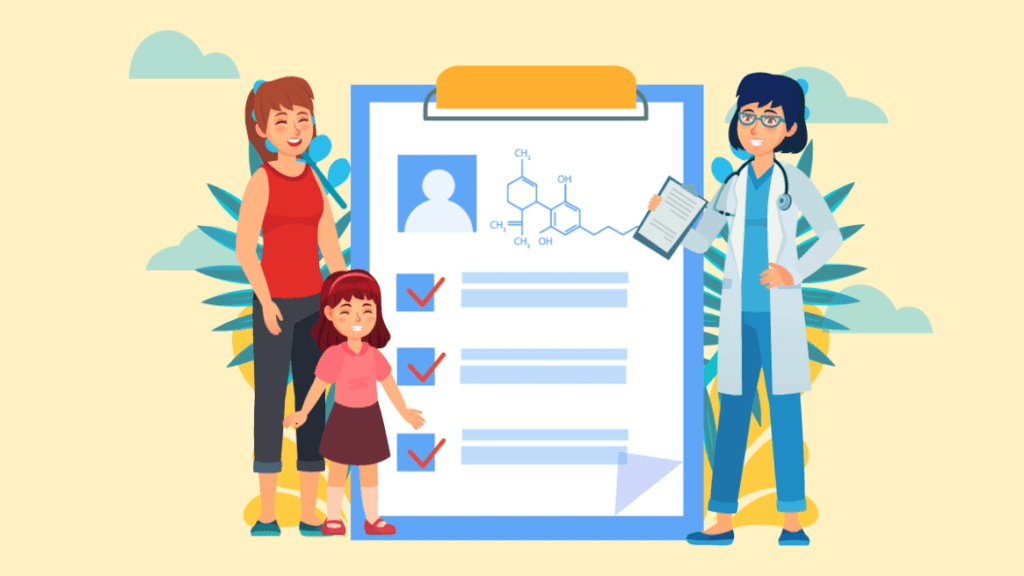
CBD oil has specific benefits in children and adolescents and has a desirable safety profile compared to THC. Unfortunately, the limited number of scientific studies on CBD oil lack quality. The World Health Organization’s Comprehensive Report on CBD (2018) concluded that “CBD is generally well tolerated with a good safety profile.” The WHO report found no evidence that CBD has abuse or dependence potential. Experts were optimistic that early evidence showed it could be a “useful treatment for a variety of medical conditions”. Some of the claims for using CBD oil with children include benefits such as improved focus, better memory, more daytime alertness, less agitation, and increased immunity.
Promising Applications of CBD Oil for Children and Adolescents
Anxiety: Applications here include social anxiety, generalized anxiety and PTSD.
Autism: A study in Israel found that 80% of children with autism spectrum disorder showed some improvement in anxiety symptoms with CBD oil, and 50% reported gains in communication.
Sleep problems: problems with sleep initiation, sleep maintenance, and night terrors.
Chronic pain: A particularly inflammatory pain condition.
Epilepsy: promising results for children with seizure disorders unresponsive to conventional treatment.
Suppressing nausea and appetite: Can be helpful for either.
As noted, CBD is generally well tolerated. However, CBD can cause side effects. These side effects can be more confusing given the unreliability of CBD purity and dosage in products (which makes it important to buy high-quality products).
Side effects of CBD may include:
- Drowsiness
- Dizziness and lightheadedness
- dry mouth
- Diarrhea
- Increased appetite
- Low blood pressure
CBD interactions
Research shows that many of the side effects associated with CBD use are likely the result of drug-drug interactions between CBD and other medications a person may be taking. That’s why it’s so important to talk to your doctor before starting any supplement, and this is especially true with CBD.
Here’s how this interaction works: CBD is broken down by the body in the same way as many prescription drugs. If more than one compound is competing in the pathway (for example, CBD and a prescription drug), something called “altered concentration” may occur. This means that too little or too much medicine is left in the body. When too little is left, a drug may no longer work as intended. Side effects may increase when left too much.
This altered concentration should be considered when taking CBD with any other prescription, supplement, or over-the-counter product that induces sleep. These include (but are not limited to):
- Antidepressants
- Antipsychotics
- Benzodiazepines
- Opioids
- Antihistamines
- Herbal products to support sleep
- Wines
Additionally, there are other drug interactions with CBD that can be serious. The Penn State College of Medicine has a really handy list of drugs that can be affected by altered concentration due to combination with cannabinoids. Unfortunately, this list doesn’t make a distinction between CBD or THC, but it does provide some guidance. Bring this list to your doctor before starting any CBD product.
Penn State also found potentially serious interactions between prescription CBD and THC products and the following products:
- Warfarin and other blood thinners
- Amiodarone (heart medication)
- Levothyroxine (thyroid medication)
- Constipation medications (clobazem, lamotrigine, valproate)
- Summary of Concerns About CBD Oil
Products may be unreliable in providing the amount of CBD stated on the label. Make sure to buy from a reputable source.
Little is known about how much CBD is absorbed and then delivered to the brain in various forms, including topical, vaping, or ingested forms.
Poor quality CBD products may contain harmful contaminants.
Dosage for children is uncertain due to lack of research.
CBD oil can interact with medications (eg, SSRIs) and increase efficacy or side effects.
How to Dose CBD Oil for Kids and Teens
There are no proven guidelines for CBD oil dosage in children and adolescents. A doctor will usually prescribe the approach I use: start low, go slow.
High quality CBD gummies and unflavored isolated forms of CBD oil can be mixed into drinks or food to give to children. These options are usually palatable to kids and easy to cut into quarters or halves (gum
- Is CBD safe for children?
- What are the risks of giving CBD to children?
- Can CBD help children with mental health disorders?
- What do we know about CBD?
- Concerns about CBD
- Is CBD safe?
- CBD oil for anxiety
- CBD and Autism
- The research boom
- Back to the top
These days, you can find CBD everywhere. Some believe it can treat everything from chronic pain and cancer to anxiety and ADHD. But is it safe for children?
CBD is still fairly new, so there is little research on its safety or how well it works, especially for children. So far, there is only one drug derived from marijuana that has been approved by the Food and Drug Administration. It’s called Epidiolex, and it’s used to treat a rare form of epilepsy in patients at least two years old.
Because CBD is so new, there aren’t many rules about what can and can’t be included in CBD products. Therefore, there is a huge variety in product quality. You may even find different amounts of CBD in different packages of the same product.
Because there isn’t much research on CBD, doctors say there are few risks to using CBD for children. For example, CBD products may contain substances other than CBD, and those substances may be harmful. Also, we don’t yet know if CBD works well with other medications or how much you should give your child.
Although some studies have found that CBD oil can work for anxiety, they only looked at healthy people who were put in situations that made them anxious. There are no studies yet on people with chronic anxiety. Researchers are also exploring CBD for children with autism spectrum disorder. The results so far are good, but more research is needed before we know it’s safe and effective.
CBD is everywhere. From corner stores and bars to medical marijuana dispensaries, it’s being touted for its reputed ability to ease pain and make people feel better.
Although CBD – full name cannabidiol – is extracted from marijuana, or hemp, it does not contain THC, the chemical in marijuana that has psychoactive effects, so it does not make you feel high.
Available in vaping, oil, lotion, cocktails, coffee, gummies — you name it — CBD is touted as a treatment for complaints such as far-reaching chronic pain, cancer, migraines, anxiety and ADHD. You know it’s gone mainstream when even Consumer Reports has released tips on how to buy CBD and how to use CBD safely.
Not only are adults experimenting with CBD for things that are troubling them, parents are turning to CBD to help their kids focus, sleep, calm down and more. are
But the popular use of CBD is blowing up with little research on its safety or efficacy, especially in children. Epidiolex, the first and only marijuana-derived drug approved by the Food and Drug Administration, is used to treat a rare, severe form of epilepsy in patients two years of age and older. And because cannabis is in the early stages of legalization and regulation, there is great variety in product quality and dosage — risks associated with using products that have not been tested by the FDA.
What do we know about CBD?
For thousands of years, hemp plants have been used for medicinal purposes around the world. In 1851, marijuana was classified by the United States Pharmacopoeia as a viable medicinal compound used to treat conditions such as epilepsy, migraines, and pain. But since marijuana and cannabis-related products were made illegal in the United States in 1970, research on marijuana or CBD has been scarce. Its classification as a Schedule 1 drug made it nearly impossible to obtain federal funding for the study of cannabis.
“The biggest problem is that we still need to learn a lot, especially in children,” says Paul Dostani, MD, a clinical psychiatrist at the Child Mind Institute. “There is a lack of evidence to support its use in the treatment of mental health disorders in children and adolescents.”
Dr. Mitrani, a pediatrician and child and adolescent psychiatrist, says it’s worth research, but parents are advised to wait until more research is done before giving CBD to a child.
Concerns about CBD
Although anecdotal evidence for the benefits of CBD is common, there are risks associated with the use of these products, especially in children. Some concerns:
Products are unreliable in delivering consistent amounts of CBD. They may have less, or more, than advertised, and most do not offer independent verification of active content. Analysis of products for sale shows that many do not contain the amount of CBD they advertise. “So you can’t depend on the quality of what you’re getting,” notes Dr. Dostani.
How much is absorbed? Little is known about how much CBD in a given product is actually delivered to the brain.
Most parents say that CBD for children requires a doctor’s prescription, while 7% have given or considered giving it to children for medical reasons.
cbd bottle in green and white with mother and baby
Justin Ross, Michigan Medicine
Products containing cannabidiol, or CBD, a chemical compound found naturally in marijuana and hemp, have been used in recent years to help adults manage medical problems such as chronic pain and mood disorders.
Although its use in children is highly restricted, some CBD products have been marketed to minors as well.
But despite CBD’s widespread availability, parents have limited information about it, with thirds thinking it’s similar to marijuana use, suggests the University of Michigan Health CS Mott Children’s Hospital National Poll on Children’s Health. .
And while the majority had not considered having their child use a CBD product, three out of four parents seemed open-minded about the possibility, saying it would be a good option for medical care when other medications don’t work. may be a good option.
“There is very little data on how CBD affects the developing brains of children and only certain types of conditions when it is considered for medical reasons in children. Still, CBD is very has become more accessible and widely advertised, with some companies claiming benefits for children,” said. Mottpool Co-Director Sarah Clark, M.P.H.
The nationally representative poll report is based on responses from 1,992 parents of children ages 3-18 surveyed in October 2021.
Parents’ Attitudes About CBD for Kids % of parents who say CBD for kids… 83% should be regulated by the FDA 74% need a doctor’s prescription 73% May be a good option when other medications don’t work Source: C.S.
CS Children’s Hospital Mottpool
Seven percent of parents have given or considered giving their child a CBD product, with the most common reasons including anxiety (51%), sleep problems (40%), attention deficit hyperactivity disorder, or ADHD. , (33%), muscle pain 20%), autism (19%) and to make your child feel better in general (13%).
Among parents who say they have given or considered giving their child CBD, less than a third have discussed using CBD with their child’s health care provider.
And while three-quarters of parents felt that CBD for children required a doctor’s prescription, only 63% rated their child’s doctor’s recommendation as a strong factor in deciding whether to give their child Giving a CBD product.
“Stories of children benefiting from CBD may sound appealing, but just because it’s a plant product doesn’t necessarily mean it’s safe or effective in children.”
“Our survey shows that most parents have little knowledge of CBD products,” Clark said. “It is important for parents to inform their pediatrician or other health care providers if they are considering the use of CBD in children so they can discuss the potential risks.”
Most parents cited side effects as the most important factor in deciding to give their child a CBD product. Other considerations include whether it has been tested for safety in children, how well it works in children, US Food and Drug Administration approval and product reviews.
According to the poll report, the majority of parents have never used a CBD product themselves, while 24% have tried it and 5% regularly use a CBD product.
Many unknowns on side effects
CBD products are sold online and in stores that specialize in CBD products, as well as in supermarkets and drugstores, and come in many forms, including oils, topical ointments, vaping, edibles and gummies.
The FDA has approved only a purified form of the drug substance CBD for children to treat rare seizures that do not respond to medication. Studies have also looked at the use of CBD in children with hyperactivity, anxiety, sleep problems and depression, but research is limited.
Side effects can include drowsiness, fatigue and diarrhea, and experts have raised concerns about CBD’s potential to interact with other medications and adversely affect the liver. But because CBD products have not undergone rigorous testing for FDA approval, the rate and severity of side effects are unclear, especially for children.
To be legal, CBD must contain less than .3% of tetrahydrocannabinol, commonly known as THC, the chemical that produces most of marijuana’s psychoactive and “high” effects. Experts say many manufacturers aim to contain close to 0% THC, but the lack of regulation of CBD products also raises questions about quality control in the manufacturing of various products.
Clark said, “Parents who see promotional materials that claim that CBD can benefit children with certain conditions should be aware that products seen online or in stores are not regulated by the FDA and They can be mislabeled,” Clark said. “This makes it difficult for parents to know what they are buying and what their child might be exposed to
Children continue to grow and develop well into their teens, so the effects of substances and drugs that are predictable in adults may not occur in children. When it comes to things like CBD products, there is some concern about safety.
Marijuana addiction in children can be very dangerous, but not all CBD products contain THC. Cannabidiol has been extensively tested in adults [1] for conditions ranging from chronic pain to epilepsy, and some studies even show promise for the use of CBD in children. It’s always important to follow your pediatrician’s recommendations, but using cannabis can help children in certain situations
In this article, we will explore the topic of CBD oil and gummies for kids. You’ll learn the basics about CBD oil and gummies for kids, including possible health benefits as well as side effects. You’ll also see our top 10 picks for the safest cannabis products for kids.
Top CBD Oils and Gummies for Kids List (September 2022)
- CBDfx CBD + CBG Oil Wellness Tincture – Editor’s Choice
- CBDfx Gummies – Best Vegan
- Spruce CBD – Best overall
- Royal CBD – Excellent reputation
- Joy Organics CBD Gummies – Great tasting
- Noleaf Naturals – Excellent Service
- PureCBD – High Quality
- Plus CBD – Best bulk product
- CBD for Kids (with ADHD)
Cannabidiol or CBD is extracted from the hemp plant, Cannabis sativa, which is also the species from which marijuana comes, and two other species of the same plant, Cannabis indica, and Cannabis roderalis. Although both are rich in cannabinoids such as CBD, cannabidiol does not have the psychoactive properties associated with marijuana. These effects are linked to another cannabinoid called tetrahydrocannabinol or THC.
Clinical research [3] is ongoing into the therapeutic potential of CBD, but several studies support its use for concerns ranging from seizures to chronic pain and inflammation. In fact, some of the strongest support for the medical use of CBD is for the treatment of seizure disorders such as Lennox-Gastaut and Dravet syndrome in children and adults.
Attention Deficit Hyperactivity Disorder (ADHD)
Attention deficit hyperactivity disorder or ADHD is characterized by symptoms of inattention and hyperactivity that appear before the age of 12. Research suggests that abnormal dopamine transmission and dopamine deficiency play a role in this condition, suggesting involvement of the endocannabinoid system in some. Although CBD has been shown to improve hyperactivity in autistic children, it has not been extensively studied for ADHD. There is anecdotal support for the use of CBD oil as a treatment for ADHD in children, but there is insufficient scientific evidence to support this specific application.
Research on the use of CBD in children is still somewhat limited, but several studies have shown promising results. Read on to learn more about CBD oil for kids and our top 5 picks.
Top 8 Best CBD Oils for Kids in 2022
CBDfx CBD + CBG Oil Valence Tincture
cbdfx tincture wellness
25% Off Coupon: Health Channel
If you go with CBDfx you can rest assured knowing that you will be purchasing high quality CBD oil for your child.
- Broad Spectrum CBD (500mg-6,000mg)
- With proven antioxidants Curcumin and Coenzyme Q10
- Organic, Non-GMO and Vegan
- Precious
This product also contains CBG or Cannabigerol. According to some animal studies, CBG has neuroprotective properties[5], can reduce inflammation[6] associated with inflammatory bowel disease (IBD), and can kill bacteria[7].
As a bonus, this product is also formulated with a proprietary terpene blend that may help produce an “androgen effect.” The entourage effect [8] is the term used to describe the enhanced benefits of CBD oil when it contains terpenes and additional compounds that occur naturally in the hemp plant.
This broad spectrum oil comes in five strengths ranging from 500mg to 6000mg per 30 mL tincture.
Another benefit of this product is that it is third-party tested, certified organic and vegan. Unopened or minimally used products may be returned within 60 days for a full refund.
Spruce CBD
- Spruce Max Potency CBD Oil
- Free Shipping and 15% Off Coupon:
- Health Channel
Spruce CBD reviews
Grown in the USA, Spruce CBD Oil is third party lab tested for safety and purity.
Two concentrations of high-quality CBD
Grown in the USA (Kentucky and North Carolina).
Each batch is third party lab tested.
Diet can be difficult for children.
Quite expensive compared to others.
If you’re looking for a quality cannabis product, Spruce CBD offers two quality tinctures as well as a limited edition Pumpkin Spice flavor. Their CBD oil comes in concentrations of 750mg or 2,400mg full-spectrum cannabidiol with THC levels below 0.3%.
The company uses 100% natural ingredients and its products are proudly made in America by a family-owned business. All products are tested by a third-party lab for purity and potency, guaranteeing they are pesticide-free. Their recipes are vegan and gluten-free, free of artificial flavors, preservatives and sweeteners. Make a one-time purchase or save 15% with a subscription order.
- Royal CBD Oil and Gummies
- Royal CBD Gummies
- 20% Off Coupon:
- HC 20
Check out Royal CBD reviews
Choose from two concentrations of cannabidiol and two types of CBD gummies with RoyalCBD.
Choose from two concentrations (10mg or 25mg)
- Choose from dots or sour drops.
- All CBD gummies are THC free.
- Available in multi flavor pack only.
- A bit expensive compared to others.
Gummies from RoyalCBD make it fun for kids to take their supplements. RoyalCBD offers two types of gummies and two different concentrations. Choose from drops or sour drops, and 10mg or 25mg concentrations. Each bottle contains a blend of three flavors: strawberry, orange and grape. All RoyalCBD gummies are made with natural ingredients in formulas that are gluten-free and lab-tested. Simply choose a product with the flavor and CBD amount you like.
When you buy from RoyalCBD, you have peace of mind knowing that your products are made in the USA and are 100% legal. Sign up for a subscription to get 15% off your order.
- CBD Pure
- CBDPure CBD Oil
- Free Shipping and 15% Off Coupon:
Health Channel
CBD Pure reviews
CBD Pure uses a CO2 extraction method to produce high quality, organic, non-GMO CBD oil.
Certified Organic Non-GMO Hemp
Grown in Colorado and Washington
Co2 extracted and tested by a third party lab.
Limited product range compared to some brands
When it comes to pure CBD, no one does it better. This company uses a CO2 extraction method with certified organic hemp to produce some of the best CBD oil on the market. Their hemp is grown by local family farmers in Washington and Colorado, minimally processed to ensure the highest quality and uncompromising purity.
CBD Pure CBD oil comes in three concentrations: 300mg, 600mg, and 1,000mg. Their CBD products are reasonably priced and you’ll get significant savings when you order a 3-month or 6-month supply. Their products contain less than 0.3% THC by weight and are backed by a 90-day money-back guarantee.
- Mediterra Oil & Gummies
- Mediterra Gummies
- 15% off coupon:
- Health Channel
Choose from a wide range of products including CBD oil and gummies.
- Available in three different concentrations.
- Made with 99%+ CBD and MCT oils.
- Laboratory tested and THC free
Caution is recommended with full vs. broad spectrum.
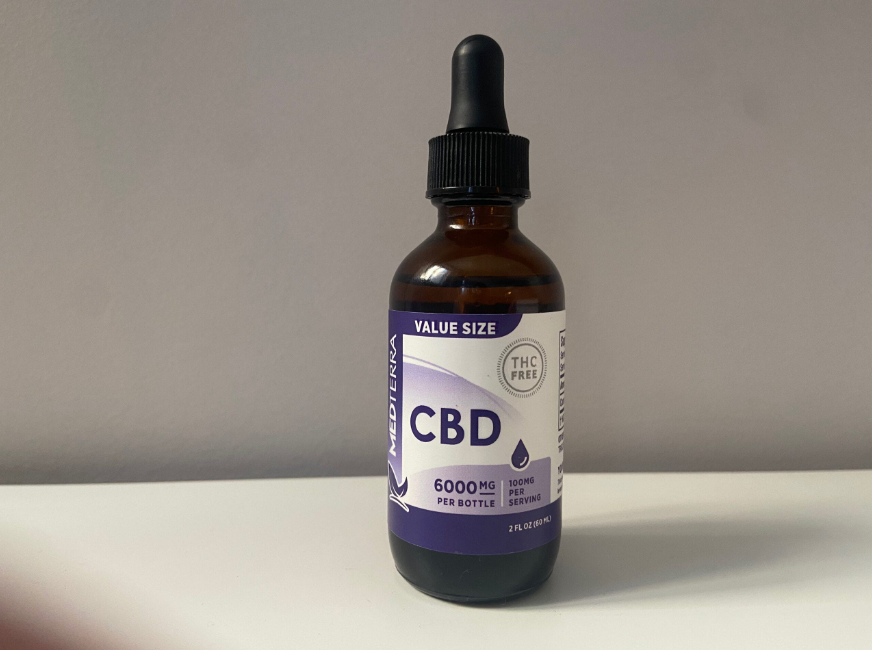
Medterra offers a wide range of CBD products including both full-spectrum CBD oil and broad-spectrum CBD. If you are concerned about THC content, we recommend choosing one of their broad-spectrum CBD oil products that are THC-free.
Priscilla Batista is stuck at home in Charlotte, NC with a very emotional 4-year-old. “Every toddler is obviously emotional, but he’s a persistent, volatile child,” she said. “It doesn’t allow her to focus. She’s just struggling.” Battista doesn’t yet have a formal diagnosis for her daughter, but, suspecting attention deficit disorder, has turned to CBD (cannabidiol) to help.
Along with THC (tetrahydrocannabinol), CBD is one of the most popular components of cannabis. Both chemicals affect the brain, but while THC makes users feel high, CBD does not, although it does make some users feel more relaxed. CBD products have become extremely popular around the world, from oils that can be ingested or rubbed on the skin, to soaps, gummy candies and even pet treats.
A 2019 Gallup poll found that 14 percent of more than 2,500 Americans surveyed use CBD products, mostly for pain, anxiety and sleep problems. Statistics for children are hard to come by, but there are Facebook groups with thousands of followers where parents discuss giving their children CBD for conditions including autism spectrum and attention deficit hyperactivity disorder. In April, a cannabis-based magazine published a survey of more than 500 parents and found that 40 percent had given their children CBD products for behavior related to the autism spectrum.
Very little controlled research has been done with CBD and children. There is only one approved CBD-based drug for any age group, and that is for rare forms of epilepsy in children. There are promising signs — but little evidence so far — that the compound may also work on some other conditions in children, including other types of seizures, autism and anxiety.
“When you’re frustrated, you need options,” said John Mitchell, MD, a clinician at the Duke ADHD Clinic in Durham, N.C. Being a parent myself, I understand. But, he cautioned, for now the excitement is running ahead of the science. “I’m very hesitant to say anything hopeful about that. It’s an open question.”
The medical community considers pure CBD to be relatively safe: the World Health Organization, for example, has said there is no evidence that anyone has abused CBD recreationally, or of any public health problems. But there are still some risks, especially for children.
Last year, the Food and Drug Administration wrote that CBD has the potential to cause liver injury (in users of any age), and suggested that it could affect the developing brain of children. No one knows the long-term effects of giving children CBD, said Arno Heizkamp, Ph.D., a pharmaceutical researcher and cannabis consultant in the Netherlands. “Those kids are still kids,” he said. Researchers will have to wait until they age to assess long-term effects. Plus, since most CBD products aren’t regulated, he added, they can be tainted with dangerous additives.
The only CBD-containing drug approved for adults or children is Epidiolex, which is currently the only known treatment for two rare and devastating forms of childhood epilepsy: Dravet syndrome and Lennox-Gastaut syndrome. Epidiolex, which was approved in 2018, was developed after the high-profile case of Charlotte Feige, whose desperate mother used CBD to dramatically control her debilitating seizures.
All of Aaron Judge’s homers, 1 through 59
For New Yorkers, 6 p.m. The new one is 8 o’clock
Stepping up your daily walk can have huge benefits.
The way CBD works on the brain makes it a good candidate for controlling seizures caused by other conditions. The Epilepsy Foundation said preliminary evidence from animal studies, anecdotal reports and small clinical trials suggests that CBD may potentially help with seizures. Dozens of trials are underway to test whether, why, and how CBD might work for children and adults with different types of seizures.
There are also indications that CBD may work for some autistic children. Dr. Gal Meri, MD, clinical director of Israel’s National Autism Research Center at Ben Gurion University of the Negev, has studied CBD oil and autism. In a study that Marie co-authored in 2019, 155 autistic children aged 18 and under tried CBD oil for at least six months. More than 80 percent of parents reported significant or moderate improvement in their children. “Some parents reported benefits not only from seizures but also from behaviors such as self-injury.”
Most such studies are based on parent feedback rather than measured changes compared to placebo groups. The placebo effect can be strong, because parents usually want to see improvement. A placebo-controlled trial of CBD for autistic children has been completed at Shire Zedek Medical Center in Israel, but the results have not yet been published. Another is underway at the University of California.
CBD, short for cannabidiol, is a substance extracted from hemp or marijuana. It is commercially available in many forms, from liquid to chewable gummies. It has become very popular as a treatment for a number of conditions, including some that occur in children.
CBD does not get you high. Although CBD is usually obtained without a prescription, EpidiolexTrusted Source, a CBD-based medicine, is available with a prescription from your doctor.
Epidiolex is prescribed for two severe, rare forms of epilepsy in children: Lennox-Gastaut syndrome and Dravet syndrome.
Parents sometimes use commercially produced CBD to treat certain conditions in children, such as anxiety and hyperactivity. Caregivers can also use it for children on the autism spectrum to try to reduce specific symptoms of autism.
CBD has not been extensively tested for safety or effectiveness. Although there is promising research on CBD, particularly for seizure control, there is still much that is not known about it. Some parents are comfortable giving it to their children, while others are not.
CBD is a chemical compound found in both the marijuana (Cannabis sativa) plant and the hemp plant. The molecular makeup of CBD is the same, once it is extracted from any plant. However, there are differences between the two.
One of the main differences between hemp and cannabis sativa is the amount of resin they contain. Hemp is a low-resin plant, and marijuana is a high-resin plant. Most CBD is found in the resin of plants.
The resin also contains tetrahydrocannabinol (THC), the chemical compound that gives marijuana its addictive properties. Cannabis contains much more THC than THC.
CBD obtained from marijuana plants may or may not contain THC. This is also true of hemp-derived CBD, but to a lesser extent.
To avoid giving your kids THC, always choose CBD isolate over full-spectrum CBD, whether it’s hemp-derived or marijuana-derived.
However, other than Epidiolex, which is a prescription drug, there is no way to be sure that a CBD product is THC-free.
Forms of CBD
CBD oil is available in a wide variety. A popular form is commercially prepared baked goods and beverages. This can make it difficult to know exactly how much CBD is in any given product.
Except for the use of prescription products like Epidiolex, it is difficult, if not impossible, to control the amount of CBD given to any child using these products.
Other forms of CBD include:
CBD oil. CBD oil can be labeled in several strengths. It is usually given under the tongue, and can also be purchased in capsule form. CBD oil has a distinctive, earthy taste and aftertaste that many children may dislike. It is also available as a flavored oil. Before giving your child CBD oil, discuss all potential risks with their pediatrician.
Gummies CBD-infused gummies can help you overcome taste objections to the oil. Since they taste like candy, make sure you keep the gummies in a place where your kids can’t find them.
Transdermal patch. The patches allow the CBD to penetrate the skin and enter the bloodstream. They can provide consistent levels of CBD over a period of time.
CBD oil is used for many conditions in children. However, epilepsy is the only condition approved by the Food and Drug Administration (FDA).
The FDA approved a drug made with CBD to treat intractable seizures in children with two rare forms of epilepsy, Lennox-Gastaut syndrome and Dravet syndrome.
Epidiolex is a drug, an oral solution made from purified CBD derived from Cannabis sativa.
Epidiolex was studied in three randomized, double-blind, placebo-controlled drug trials, involving 516 patients with either Dravet syndrome or Lennox-Gastaut syndrome.
The drug was shown to be effective in reducing the frequency of seizures when compared to a placebo. Other research by trusted sources has yielded similar results.
Epidiolex is a carefully prepared and administered medicine. There is no scientific evidence that store-bought CBD oil will have the same effect on seizures as any form. However, any CBD oil product you buy may carry the same risks as Epidiolex.
This drug can cause side effects and is not without risk. You and your child’s doctor should discuss the benefits of Epidiolex versus its potential risks.
Side effects may include:
- Feeling lethargic and sleepy
- Elevated liver enzymes
- Loss of appetite
- Rash
- Diarrhea
- Feeling weak in the body
- Sleep-related problems, such as insomnia and poor sleep quality
- Infection
- Serious risks are less likely, but may include:
- Suicidal thoughts or actions
- movement
- Mental stress
- Aggressive behavior
- Panic attacks
- Liver injury
- Autism
Several studies from trusted sources that have analyzed the use of medical cannabis or CBD oil in children with autism suggest that there may be some improvement.
CBDistillery Full Spectrum CBD Oil Tincture
- CBD Type: Full Spectrum
- CBD Strength: 500mg or 1,000mg per 30ml bottle
- COA: Available online.
- Price: $–$$
This full-spectrum tincture provides you with 167 mg of CBD and other cannabinoids per serving.
CBDistillery products are made using non-GMO hemp grown in the US, certified by the US Hemp Authority.
COA is available online or by scanning the QR code.
Pros:
- High potency formula
- Made with American grown hemp.
- Available in Mango, Mint and Natural (unflavoured).
Cons of
- Flavors have individual product pages, so you may want to browse the site before purchasing.
- COA for Mango flavor is from 2020.
- Use the code “Healthline” for 20% off sitewide or select the subscription option for 20% off the first 2 subscription orders and 25% off the third order.
Best high potency CBD oil
Aspen Green Full Spectrum CBD Oil
- CBD Type: Full Spectrum
- CBD Strength: 1,000-3,000 mg per 30-mL bottle
- COA: Available online.
- Price: $–$$$
Sold in original, lemon and mint flavors and in three different capacities. This full spectrum CBD oil is USDA certified organic.
In addition to oils, the company offers balms, creams and other products.
COA is available online.
Pros:
- Different flavors and strengths.
- Offers discounts of 35 to 60 percent to military personnel, first responders, medical personnel, teachers, students and the disabled or unemployed living in low-income households.
- Grown and processed in Colorado.
Cons of
- Every flavored oil has a hint of hemp flavor, which not all CBD users enjoy.
- Higher price point than other CBD oils
- Use code “HEALTHLINE” for 20% off.
The best gluten-free CBD oil
CBDMD CBD Oil Tincture
- CBD Type: Broad Spectrum
- CBD Strength: 25 mg per serving
- COA: Available online.
- Price: $–$$$
CBDMD CBD Oil Tincture is a great gluten-free option. It’s also vegan. Available in two sizes and six concentrations, this CBD oil gives consumers the option to tailor their purchase to their exact needs.
This oil is made from MCT oil. It is available in orange, berry, mint and natural (unflavored).
Pros:
- Gluten free
- Available in several strengths.
- Lots of flavor options
Cons of
- There is no THC, which some users may prefer for the team effect.
- Some user reviews note that it is expensive.
Best Strength CBD Oil Option
CBDfx Calming Tincture
- CBD Type: Full Spectrum
- CBD Strength: 500-6,000 mg per 30-mL bottle
- COA: Available online.
- Price: $–$$$
This naturally flavored CBD oil contains a proprietary blend of terpenes designed to induce relaxation. Full Spectrum Tincture is available in multiple strengths suitable for all types of CBD users, from beginners to professionals.
The formula is vegan, gluten-free and organic.
In addition to the oil, CBDfx sells many other products, including topicals, gums and capsules.
COA is available online.
Pros:
- Various strengths up to 6,000 mg of CBD per bottle
- Organic, gluten-free, and cruelty-free
Cons of
- off-flavor (something consumers don’t like)
- There is no grant program, but there is a rewards program.
- Use code “HEALTHLINE” for 20% off.
Best Vegan CBD Oil
Absolute Nature CBD Full Spectrum CBD Oil Drops
- CBD Type: Full Spectrum
- CBD Strength: 500-1,000 mg per 30 ml bottle
- COA: Available online.
- Price: $–$$
Absolute Nature CBD Tinctures are made with non-GMO hemp, grown in Colorado.
The company extracts its CBD with other naturally occurring compounds to enhance absorption. Gummies, softgels, and other products are also available.
COA is available online.
Pros:
- Organic ingredients
- Extraction improves absorption.
- Available in 500 mg or 1,000 mg CBD per bottle.
Cons of
- There is no flavor option.
- Whole plant CBD, including flowers, stems, stalks and leaves.
- Use code “HEALTHLINE40” for 40% off.
Best tasting CBD oil
FABCBD CBD Oil, Citrus
- CBD Type: Full Spectrum
- CBD Strength: 300mg per 30ml bottle
- COA: Available online.
- Price: $$
FABCBD offers a full-spectrum CBD oil flavored with citrus (although other flavors are available, including mint, vanilla, berry and natural). FABCBD products are made from organically grown plants, sourced from Colorado.
Pros:
- Natural flavor
- Multiple flavor options
- Obtained from organic plants.
Cons of
- None to note.
- Use code “HEALTHLINE” for 20% off your first purchase.
Best Broad Spectrum CBD Oil
Social Cinnamon Leaf Broad Spectrum Oil Drops
- CBD Type: Broad Spectrum
- CBD Strength: 1,500 mg per 30 ml bottle
- COA: Available online.
- Price: $
This cinnamon-flavored CBD oil from Social CBD is also available in several other flavors and strengths. The broad-spectrum formula contains terpenes and cannabinoids in addition to CBD but no THC.
Unlike other products that may contain caloric sweeteners to sweeten CBD oils, Social CBD uses stevia.
CBD oil product comparison
| Product | Pricing | CBD type | Potency (per 30-mL bottle) | COA | Our pick for |
| Zatural Full-Spectrum CBD Oil | $ | full-spectrum | 300–12,000 mg | available online | best-priced full-spectrum CBD oil tincture |
| Charlotte’s Web CBD Oil | $$$ | full-spectrum | 1,800 mg | available online | best CBD with THC |
| CBDistillery Full-Spectrum CBD Oil Tincture | $–$$ | full-spectrum | 500 mg | available upon request | best full-spectrum tincture |
| Aspen Green Full Spectrum CBD Oil | $-$$$ | full-spectrum | 1,000–3,000 mg | available online | editor’s choice |
| cbdMD CBD Oil Tincture | $ | broad-spectrum | 300–7,500 mg | available online | best gluten-free CBD oil |
| CBDfx Calming Tincture | $–$$$ | full-spectrum | 500–6,000 mg | available online | best potency options oil |
| Absolute Nature CBD Full-Spectrum CBD Oil Drops | $–$$ | full-spectrum | 500–1,000 mg | available online | best vegan CBD |
| FABCBD CBD Oil, Citrus | $$ | full-spectrum | 300 mg | available online | best flavored CBD oil |
| Social Cinnamon Leaf Broad Spectrum Oil Drops | $ | broad-spectrum | 1,500 mg | available online | best broad-spectrum |
| Joy Organics Tropical Sunrise: Organic Full Spectrum CBD Tincture with THC | $ | full-spectrum | 450, 900, 1,350, or 2,250 mg per 30-mL bottle | available online | best-tasting CBD oil |
| Kanibi Isolate CBD Oil Tincture, Skittles Flavor | $ | isolate | 1,500 mg | available on product page | best isolate |
| Lord Jones Royal Oil | $$ | broad-spectrum | 1000 mg per 30-mL bottle | available online | best for topical use |
| Holmes Organics CBD Oil Tincture | $–$$ | broad-spectrum | 450–900 mg | available online | best organic tincture |
| UNOIA CBD Oil Drops, GA Peach | $ | broad-spectrum | 500 mg | available online | best THC-free CBD |
| Lazarus Naturals High Potency CBD Tincture | $ | full-spectrum | 750 mg per 15-mL bottle, 3,000 mg per 60-mL bottle, or 6,000 mg per 120-mL bottle | available on product page | best high potency tincture |
How to choose
When you’re shopping for CBD oil, here are the first things to consider.
Are you new to CBD or are you quite experienced? If you’re a beginner, it’s a good idea to choose a low-potency CBD oil that offers fewer milligrams of CBD per dose.
And always be sure to check the label and serving size. This can vary from brand to brand – and even from product to product in a brand’s lineup.
CBD source
Isolated, broad spectrum, or full spectrum? This is a good question.
Isolate products offer pure CBD without any added cannabinoids or compounds from the cannabis plant. This is a good choice if you want to avoid THC altogether.
But, because they don’t contain other plant compounds, they may be less effective than broader and full-spectrum products. Because full-spectrum products contain small amounts of THC and other hemp plant compounds such as terpenes, they may work better than CBD alone. This is due to the delegation effect.
Ingredients
Your best option is to choose CBD made from US-grown hemp and organic ingredients.
And, since there is little research on how CBD interacts with other supplements and vitamins, we recommend staying away from CBD products that contain additional active ingredients.
Third Party Testing
Since the FDA doesn’t regulate CBD products like it does other things, it’s important to do your own research and check if a product has been tested in a third-party lab.
By comparing the product’s COA with the label, you can verify if the labeling is correct in terms of potency. The COA should also show information about pollution testing.
What is the difference between CBD oil and hemp seed oil?
CBD oil is not the same as hemp seed oil, which is sometimes labeled hemp oil.
CBD oil is made from the flowers, buds, stems and leaves of the hemp plant. Hemp oil is made from hemp seeds and does not contain any CBD.
Hemp oil can be used topically for skin health, and taken orally as a supplement or food additive.
CBD oil can be taken orally, or added to balms and moisturizers and applied topically.
How to Use CBD Oil and Tincture
Shake the bottle before use to ensure ideal consistency. Use a dropper to place the oil under your tongue — many products will come with one.
For maximum absorption, hold it under your tongue for 30 seconds to a few minutes before swallowing.
To determine how many drops to take, follow the recommended dosage provided by the manufacturer or your doctor.
Start with a small dose. Over time, you can increase the dose and frequency until you get the results you want. But be sure to talk to your doctor before making any changes to the recommended dosage.
Appropriate serving sizes for CBD vary greatly based on individual factors, such as:
- Intended use
- body weight
- Metabolism
- Body Chemistry
Doses should be taken at least 4 to 6 hours apart. You can take CBD at any time of the day. If you are using it to improve sleep, take it before bed.
The immediate effects of CBD usually occur within 30 to 90 minutes, but long-term results may take several weeks.
You can also add CBD oil to drinks and food, but this may affect absorption.
Store CBD oil and tinctures in a cool, dry place away from direct heat and sunlight. Make sure the cap is tightly closed after each use. It is not necessary to refrigerate the product, but it can help prolong the shelf life.
Avoid touching your mouth with the dropper to prevent bacterial contamination and preserve the quality of the oil.
CBD is also available in capsules or gummies or mixed into skin care products such as lotions and salves. CBD skincare products can be absorbed into the skin and do not need to be washed off.
CBD is generally well tolerated and safe to use, although adverse reactions, such as fatigue and digestive problems, are possible.
Talk to your healthcare professional before taking CBD if you are pregnant or breastfeeding, have a medical condition, or are taking any OTC or prescription medications or supplements.
CBD has the potential to interact with medications, including those that interact with grapefruit.
Some research from Trusted Source also suggests that consuming CBD with high-fat meals may increase your risk of side effects. This is because high-fat foods can increase the blood concentration of CBD, which can increase the risk of side effects.
Read the ingredients list carefully if you are allergic to coconut oil or have any other possible allergies.
CBD is legal in many parts of the United States, but most manufacturers require you to be at least 18 years old to purchase their products. It may not be legal in all countries.
Check your local laws before buying CBD. When buying online, confirm with the manufacturer that they are available in your area The best CBD lotions, creams, salves, and more
- How did we choose?
- Our choices
- Comparison chart
- Benefits
- Types of products
- To be considered
- How to use
- Adverse effects
- When to call the doctor
Frequently Asked Questions
take away
We add products that we think are useful to our readers. If you make a purchase through the links on this page, we may earn a small commission. Here is our process.
Healthline has sole editorial control over this article. The potential uses of the products listed here are not health claims made by the manufacturers. The information provided in this article is intended to be general in nature. It is not intended to replace medical advice from a healthcare professional. Healthline encourages you to make any treatment decisions with your healthcare professional.
A quick look at the best CBD topicals
- Best CBD Salve: Joy Organics CBD Salve
- Best CBD Balm: CBDistillery CBDol CBD Balm, Lazarus Naturals Relief + Recovery Full Spectrum CBD Balm
- Best CBD Body Oil: Lord Jones High CBD Formula Body Oil, Jonah Ez Functional Body Oil, Prima Beyond Body Oil
- Best CBD Balm Stick: GoGreen Hemp CBD Relief Stick
- Best CBD Lotion: Empower Body Care CBD Infused Lotion, Wortly Relief Lotion
- Best CBD Cream: R+R Medicinals CBD Cream, Extract Labs CBD Muscle Cream
- There are many ways to use cannabidiol (CBD). But if you’re looking for relief from aches and pains or help with skin conditions, a topical may be your best bet.
- A CBD topical is any cream, lotion, balm or salve that is infused with CBD and can be applied directly to the skin.
Read on for what you need to know about this type of product, as well as some great options to try.
How We Picked the Best CBD Topicals
We have selected these products based on criteria that we believe are good indicators of safety, quality and transparency. Every product and brand featured by our team has been tested for clinical and business standards. Each product in this article:
Made by a company that provides proof of third-party testing by a lab in accordance with ISO 17025.
Made by a company that discloses the source of their hemp.
Contains no more than 0.3 percent tetrahydrocannabinol (THC), according to the Certificate of Analysis (COA).
Passes tests for pesticides, heavy metals and molds, according to COA.
As part of our selection process, we also considered:
Company certification and manufacturing processes
Product strength
Aggregate components
Indicators of consumer trust and brand reputation, such as:
Customer reviews
Whether the company has been subject to a warning letter from the Food and Drug Administration (FDA) Trusted Source
Whether the company makes any unsupported health claims.
Where available, we’ve included special discount codes for our readers.
Pricing Guide
$ = less than $50
$$ = $50–$75
$$$ = over $75
To get a complete picture of a product’s value, it’s important to read the labels:
- Serving size
- Quantities
- Powers
- Other ingredients
- CBD glossary
You will find the following terms in the products below. Here’s what they mean:
CBD isolate. It is pure CBD, with no other hemp compounds. This makes it as close to THC free as you can get.
Broad Spectrum CBD. This type of CBD contains most of the cannabinoids, but usually does not contain THC. You will also find some flavonoids and terpenes.
Full spectrum CBD. This type of CBD contains all the compounds and cannabinoids of hemp, including THC. However, federally legal products will only contain a maximum of 0.3 percent THC.
Healthline’s picks for the best CBD topicals
The best CBD salve
Joy Organics CBD Salve
- Price: $$
- CBD Type: Broad Spectrum
- CBD Strength: 500 milligrams (mg) per 1 ounce (ounce) jar
- COA: Available on product page.
This broad-spectrum CBD salve from Joy Organics is formulated to treat muscle and joint pain without THC. It’s made without water, so it’s a thicker consistency than a lotion or cream.
It contains organic medium chain triglyceride (MCT) oil, beeswax, and lavender and eucalyptus essential oils for skin soothing and comforting benefits.
Use code “healthcbd” for 20% off.
Best CBD Balm
CBDistillery CBDol CBD Balm
- Price: $$
- CBD Type: Full Spectrum
- CBD Strength: 500 mg per 1 oz. Container
- COA: Available on product page in image slideshow.
A full spectrum of soothing and moisturizing ingredients like coconut oil, almond oil, and aloe vera, this balm can help with your pain.
You’ll get 500 mg of CBD in every 1 oz. The pot, like all CBDistillery products, is made using US Hemp Authority-certified hemp grown in the United States without genetically modified organisms (GMOs).
Use code “healthline” for 20% off sitewide or select the subscription option for 20% off the first 2 subscription orders and 25% off the third order.
Lazarus Naturals Relief + Recovery Full Spectrum CBD Balm
- Price: $
- CBD Type: Full Spectrum
- CBD Strength: 3,000 mg per 2.1 oz. The package
- COA: Available online
Overview
Cannabidiol (CBD) is a type of cannabinoid, a chemical found naturally in cannabis (marijuana and hemp) plants. Early research is promising about CBD oil’s ability to help relieve anxiety.
Unlike tetrahydrocannabinol (THC), another type of cannabinoid, CBD doesn’t cause any of the intoxication or “high” feelings you might associate with cannabis.
Learn more about the potential benefits of CBD oil for anxiety, and whether it may be a treatment option for you.
How does CBD work?
There are many different receptors in the human body. Receptors are protein-based chemical structures that attach to your cells. They receive signals from various stimuli.
CBD is believed to interact with CB1 and CB2 receptors. These receptors are found in the central nervous system and peripheral nervous system respectively.
The exact mechanism by which CBD affects CB1 receptors in the brain is not fully understood. However, it can alter serotonin signals.
Serotonin, a neurotransmitter, plays an important role in your mental health. Low serotonin levels are commonly associated with people who suffer from depression. In some cases, not having enough serotonin can also cause anxiety.
The traditional treatment for low serotonin is a selective serotonin reuptake inhibitor (SSRI), such as sertraline (Zoloft) or fluoxetine (Prozac). SSRIs are only available by prescription.
Some people with anxiety can manage their condition with CBD instead of an SSRI. However, you should talk to your doctor before making any changes to your treatment plan.
Research and evidence
Several studies point to the potential benefits of CBD for anxiety.
For general concern
For generalized anxiety disorder (GAD), credible sources at the National Institute on Drug Abuse (NIDA) state that CBD has been shown to reduce stress in animals such as rats.
Study subjects were observed to have fewer behavioral symptoms of anxiety. Their physical symptoms of anxiety, such as an increased heart rate, also improved.
More research is needed, especially on humans and GAD.
For other forms of anxiety
CBD may also benefit people with other types of anxiety, such as social anxiety disorder (SAD) and post-traumatic stress disorder (PTSD). It can also help treat insomnia caused by anxiety.
In 2011, a study investigated the effects of CBD on people with SAD. Participants were given an oral dose of 400 milligrams (mg) of CBD or a placebo. People who received CBD experienced lower anxiety levels overall.
A number of recent studies have shown that CBD can help with symptoms of PTSD, such as having nightmares and replaying negative memories. These studies have looked at CBD as a stand-alone PTSD treatment as well as an adjunct to traditional treatments such as medication and cognitive behavioral therapy (CBT).
For other neurological disorders
CBD has also been studied in other neurological disorders.
A 2017 literature review on CBD and psychiatric disorders concluded that there is insufficient evidence to describe CBD as an effective treatment for depression.
The authors found some evidence to suggest that CBD may help with anxiety disorders. However, these studies were uncontrolled. This means that the participants were not compared to a separate group (or “control”) that might have received a different treatment—or no treatment at all.
Based on their review, more human tests are needed to understand how CBD works, what ideal doses should be, and if there are potential side effects or risks.
A 2016 study found that CBD may have antipsychotic effects in people with schizophrenia. Furthermore, CBD does not cause the significant debilitating side effects associated with some antipsychotic medications.
Food
If you are interested in trying CBD oil for your anxiety, talk to your doctor. They can help you find a starting dose that’s right for you.
However, the nonprofit National Organization for the Reform of Marijuana Laws (NORML) advises that very few commercially available products contain enough CBD to mimic the therapeutic effects seen in clinical trials.
In a 2018 study, male subjects received CBD before undergoing a simulated public speaking test. The researchers found that an oral dose of 300 mg, given 90 minutes before the test, was sufficient to significantly reduce the speakers’ anxiety.
Members of the placebo group and study subjects who received 150 mg had little benefit. The same was true for subjects receiving 600 mg.
The study only looked at 57 subjects, so it was small. More research, including studies with female subjects, is needed to determine the appropriate dosage for people with anxiety.
Side Effects of CBD
- CBD is generally considered safe. However, some people who take CBD may experience some side effects, including:
- Diarrhea
- Fatigue
- Changes in appetite
- Weight change
CBD may also interact with other medications or dietary supplements you may be taking. Take special care if you take it.
The popular cannabidiol oil should only be used under the supervision of a pediatrician.
- Supported by research
- Is CBD oil safe for children with anxiety and ADHD?
- save it.
- Photo: iStock
- Is CBD oil safe for children?
- Uses of CBD Oil for Children
- Side effects associated with the use of CBD oil
- Potential risks associated with the use of CBD oil in children
- How to choose CBD oil?
- CBD oil dosage for children
Infographics: How CBD Oil Reduces Anxiety and ADHD?
If you are unfamiliar with using Cannabidiol or CBD oil for children, you should read this post. CBD oil is a component found in the hemp and marijuana plants of the Cannabis sativa family, which makes people feel high. (1). The oil has gained popularity in recent years for treating a variety of conditions including chronic pain, stress, insomnia, nausea and vomiting.
Various procedures are used to extract oil, including carbon dioxide extraction, ethanol extraction, and hydrocarbon extraction (2). After extraction, the oil is refined and sold as tinctures, capsules, topicals, chewable gums, beverages, and other products.
This post discusses the safety of CBD oil for children, including its benefits, age-appropriate dosage, and possible side effects and risks associated with its use.
Is CBD oil safe for children?
There is no scientific evidence to prove the safety and efficacy of CBD oil for children. However, one CBD product, namely Greenwich Biosciences’ Epidiolex, has been approved by the US FDA (3) for use as part of a regular medication for the treatment of epilepsy in children. This prescription drug contains a pure form of CBD that helps treat seizures in children with rare and severe forms of epilepsy, such as Lennox-Gastaut syndrome and Dravet syndrome (4).
Since these forms of epilepsy do not respond to anti-seizure medications, the use of CBD becomes important. However, keep in mind that the use of CBD oil as a standalone medicine to treat epilepsy in children has not been well researched. Thus, if you want to use CBD oil to treat epilepsy or any other disease in your child, consult a pediatrician.
Note: CBD is often confused with THC (tetrahydrocannabinol), another cannabinoid found in hemp and marijuana. THC is a psychoactive compound that makes people feel “high” and causes addiction and psychosis. However, CBD does not have these effects and affects different brain regions than THC (5).
Uses of CBD Oil for Children
Aside from the treatment of epilepsy, the FDA does not approve the use of CBD oil for the treatment of any disease in children. However, studies have shown that CBD oil can be an effective treatment for many ailments.
Anxiety: Some recent studies show that using CBD oil can help reduce anxiety (6) (7). Preliminary evidence from animal studies shows that the use of CBD oil can reduce anxiety associated with several disorders, such as post-traumatic stress disorder (PTSD), generalized anxiety disorder, and social anxiety disorder (8). It helps to relax the mind and muscular system. However, more studies are needed to make any recommendations for children.
Autism: A 2019 study of 188 autism spectrum disorder (ASD) patients found that the use of hemp oil containing 30 percent CBD and 1.5 percent THC was “well-tolerated” to relieve symptoms associated with ASD. appears to be a safe and effective option”. (9). Another study involving 60 children also showed some promising results (8). However, these results are not sufficient for clinical validation because the research samples are quite small.
Attention deficit hyperactivity disorder (ADHD): A 2020 systematic review highlighted that CBD may help reduce symptoms of ADHD (10). It helps calm the child and reduces hyperactivity. However, currently, no targeted research studies are available to support the use of CBD oil for the treatment or management of ADHD in children.
Multiple Sclerosis (MS): A 2019 study by Thorsten Rudroff and Jacob Sosnoff suggests that CBD use may be associated with less pain and spasticity, which ultimately leads to better mobility and better sleep (11 ). Release of musculoskeletal spasms is the mainstay of treatment. Still, more research is needed to draw any conclusions about the use of CBD oil to treat MS in children.
Side effects associated with the use of CBD oil
The use of CBD oil for children has not been well researched, and its unguided use may cause certain side effects, such as
Gastrointestinal disorders: Upset stomach and abdominal pain are common side effects of using CBD oil in sensitive individuals. Therefore, always consult a doctor or alternative medicine specialist before using CBD oil for children.
Toxicity: If CBD oil is not used as directed, there is a potential risk of overdose and toxicity. So, consult an expert.
CBDfx has many CBD oils in their product selection. However, when it comes to our children, we found Wellness Tincture to be their best option. To begin with, this CBD oil incorporates a broad-spectrum extract – therefore, it is 100% THC-free.
Secondly, depending on your preferences, there are many power options. Since children don’t need a lot of CBD, we found the 500mg option to be the best choice. However, if you plan to use CBD for yourself as well, they have capacities that go up to 6000mg.
Yet, the biggest benefit of this oil is that it also comes with a dose of cannabigerol (CBG) that helps relieve pain and nausea.
Overall, we found CBDfx’s Valence Tincture to be the best option. If interested, we recommend using your coupon to save on this order.
See the lowest price
2. Fab CBD Oil
- Fab CBD Oil
- Excellent taste
- Our rating
- quality 100%
- effectiveness 100%
- price 100%
- Customer Service 99%
- Transparency and accuracy 100%
- Highlights
- Colorado hemp
Third party lab tested.
Strength 150mg – 1200mg
Get 15% off all FAB CBD products as an American Marijuana reader. Use this code at checkout: AMMA
Since Fab CBD started in 2017, they have been bringing high-quality CBD products to market with a colorful, kid-friendly look. If you want to give your kids flavored CBD oil, you can’t go wrong with Fab CBD as they offer several great flavors to choose from. Flavors include citrus, mint, vanilla and berry, in addition to Fab CBD’s unflavored extract.
The company extracts the oil for its products from hemp that is grown organically in Colorado. They use the CO2 extraction method, which is acclaimed for producing the highest concentration of CBD from hemp.
Another reason you should consider Fab products is their transparency. The company subjects each of the products in its stable to external third-party testing. Having these results available online means knowing the composition of a product before you buy it.
Detailed customer reviews of products give a potential buyer a sense of what to expect when they use the brand. Some reviewers voluntarily publish their photos with their reviews. Being able to put faces behind words makes reviews more credible.
Fab CBD uses MCT coconut oil as a carrier oil. This carrier enhances the absorption of cannabinoids, including CBD.
This company also makes the best CBD gummies for kids. Known as Fab CBD Chews, each of the 30 gummies in the bottle contains 25 mg of CBD. These gummies enable your child to improve their fitness on the go.
Besides convenience, these gummies taste great, and they’re completely THC free. We think CBD gummies are one of the easiest ways to give CBD to children of any age, although adults can also try these sweet supplements themselves.
See the lowest price
3.CBDistillery Pure CBD Oil
- CBDistillery Pure CBD Oil
- Excellent isolation
- Our rating
- quality 100%
- effectiveness 100%
- price 99%
- Customer Service 100%
- Transparency and accuracy 100%
- Highlights
- Pure CBD, THC Free
- 3 power options
- A subscription service is available.
Get 15% off all CBDistillery products as an American Marijuana reader. Use this code at checkout: AMMA15
When it comes to CBD oil for babies, some parents may prefer CBD isolate extract. It is purely CBD and no other cannabinoids are found in the hemp plant. CBDistillery offers a high quality CBD isolate product in 3 different strengths: 500mg, 1000mg, 2500mg.
While we would recommend 500mg for children, you can always choose a higher strength and give your child a smaller dose. This will allow you to save (on a per milligram basis).
Above all, CBDistillery uses high-quality hemp extracts that are always tested in a third-party lab. So, you can be sure that these oils are 100% safe to use. If interested, they also offer their CBD oil in full-spectrum and broad-spectrum extracts.
If you want to save on this oil, you can opt for CBDistillery’s subscription service (20% off plus free shipping) or use our promo code!
See the lowest price
4. New Leaf Naturals CBD Oil
- New Leaf Natural CBD Oil
- Excellent quality
- Our rating
- Quality 99%
- Effectiveness 99%
- price 98%
- Customer Service 98%
- Transparency and Accuracy 98%
- Highlights
- Full spectrum quote
- Made using only 2 ingredients.
Get 20% off all NuLeaf Naturals products as an American Marijuana reader. Use this code at checkout: AMMA20
New Leaf Naturals is often hailed as the best full-spectrum CBD on the market. This is no surprise since they include a high-quality extract from hemp that is grown organically in Colorado. Each of NuLeaf Naturals CBD Oils comes in a standard 30mg strength (which we cut in half for kids.
- CBD and Drug Interactions: What You Need to Know
- The basics
- Interactions
- Bad effects
- Take it
- Design by Jamie Herman
- CBD can change the way your body processes certain medications.
Cannabidiol (CBD) has gained widespread attention for its ability to reduce symptoms of insomnia, anxiety, chronic pain, and other health conditions.
And while studies are ongoing on how effective CBD is, many people are giving it a try.
Research to date shows that CBD is generally safe and has few, if any, minor side effects. But there’s one big caveat: CBD has the potential to interact with some medications. The concern is related to how the body metabolizes certain substances.
Before trying CBD, it’s important to talk to your doctor about all vitamins, supplements, and prescription and over-the-counter medications you’re taking. Here’s a deeper look at why communication is important.
Drug metabolism and CYP450 enzymes
When you take a drug or other substance, your body has to metabolize it, or break it down. Drug metabolism occurs throughout the body, such as in the intestines, but the liver also does a large part of the work.
A family of enzymes called cytochrome P450 (CYP450) Trusted Source plays an important role in converting foreign substances so they can be easily eliminated from the body.
But some drugs or substances affect CYP450, either by slowing or speeding up the drug’s metabolism. Changes in metabolism rate can change how your body processes your medications or supplements.
Why does CYP450 matter when it comes to CBD and medicine?
The CYP450 family of enzymes is responsible for metabolizing many cannabinoids, including CBD, research shows. In particular, CYP3A4, a key enzyme within the CYP450 family, does this. But during this process, CBD also interferes with CYP3A4.
The CYP3A4 enzyme is responsible for metabolizing 60 percent of clinically prescribed drugs. But if CBD is inhibiting CYP3A4, it may not work as effectively to break down drugs in your system.
The reverse can also happen. Many drugs inhibit CYP3A4. If you take CBD while on these medications, your body may not be able to process CBD effectively.
If your body is metabolizing a drug too slowly, you may have more of the drug in your system at one time than you intended — even if you stick to your regular dose. Increased levels of the drug in your system can exaggerate its effects, including unwanted or harmful side effects.
Some substances also stimulate the activity of the CYP450 enzyme family. If your body is metabolizing a drug too quickly because another substance is activating the enzymes, you may not have enough of the drug in your system to treat the health problem at one time.
Trying CBD safely while taking medication
If you want to try CBD as an adjunctive treatment to ease the symptoms of a particular condition, talk to your doctor first.
They can help determine a CBD product, dosage, and schedule that is safe with your medication. In some situations, your doctor may monitor blood plasma levels of certain medications you are taking.
Do not stop any of your medications to try CBD, unless your doctor says it is safe to do so.
Keep in mind that topical CBD, such as lotions, creams, and salves, may also be an option. Unlike oils, edibles, and vapor solutions, topicals don’t usually enter the bloodstream—unless they’re a transdermal solution to do so.
Possible drug interactions
Heed the warning on the grapevine.
While studies are still underway to determine potential interactions between CBD and certain medications, in the meantime there is a rule of thumb that may help consumers: Avoid CBD if your medication label has a grape warning. Is
This warning indicates that people taking the drug should avoid grapefruit or grapefruit juice.
According to Food and Drug Administration sources, consuming grapefruit while taking any of these medications can lead to higher concentrations of the drug in the bloodstream and adverse side effects or overdose.
More than 85 drugs interact with grapefruit juice and some closely related citrus fruits — such as Seville oranges, pomelos and tangylos. This is because chemicals in grapefruit called furanocoumarins inhibit CYP3A4, similar to CBD. As a result, the metabolism of the drug is slow.
Grapefruit warnings are common across many drug classes, but not all drugs within a category will require avoiding grapefruit. Check your drug record or ask your doctor.
Types of drugs that usually have grapefruit warnings.
- Antibiotics and antimicrobials
- Anti-cancer drugs
- Antihistamines
- Anti-epileptic drugs (AEDs)
- Blood pressure medications
- Blood thinners
- Cholesterol medications
- Corticosteroids
- Erectile dysfunction drugs
- GI medications,
- Is it safe to give CBD to a child for ADHD?
By WebMD Editorial Contributors
Clinically reviewed on March 04, 2021 by Dan Brennan, MD.
In this article
- What is CBD?
- Does CBD Help ADHD?
- Is CBD safe for children?
CBD, or cannabidiol, is gaining massive popularity. A 2019 Gallup poll found that 14% of Americans use CBD for problems such as sleep, anxiety and pain. A drug containing CBD, Epidiolex, is used in children with a certain type of epilepsy. CBD is being promoted as an alternative treatment for ADHD. You may be wondering if this is a safe and effective treatment for your child with ADHD.
What is CBD?
CBD is a component of hemp and medical marijuana, but it is derived from the hemp plant, which is a cousin of the marijuana plant. CBD by itself will not get you high. It does not contain THC, which is the chemical in marijuana that makes you gain weight.
CBD products are available in a variety of products, including oils, gums, vaping and lotions. Since marijuana and cannabis products have been illegal in the United States since the 1970s, they have not been studied extensively. Hemp-derived CBD is now federally legal. However, marijuana-derived CBD is still federally illegal.
Does CBD Help ADHD?
Research on whether CBD helps ADHD is very limited. Most available research has focused on cannabis products that also contain THC.
A small study in 2017 found that adults treated with Sativex, which contains CBD and THC, experienced a modest reduction in ADD symptoms without any cognitive impairment. However, improvement was not significantly better than improvement with placebo.
Another study conducted in 2020 found that adults who took high doses of medical cannabis took less ADHD medication and reported lower ADHD scores.
There is no scientific evidence that CBD works or is safe for children. Until there is evidence that CBD is safe or effective for treating ADD, stimulant medications like Adderall are still a better option. There is some evidence that CBD oil can help with anxiety, which some children with ADHD also experience. A 2018 study of 60 children with autism found that anxiety improved in 39 percent of children.
Is CBD safe for children?
There is no evidence that CBD products on the market are safe or effective for children. The FDA has approved only one CBD product, a prescription drug called Epidiolex to treat seizures associated with certain types of epilepsy in patients over 1 year of age. Epidiolex has been studied in clinical trials. Although it has been shown to be effective in reducing seizures, it has shown significant risks and side effects including:
- Increased liver enzymes
- Loss of appetite
- Fatigue
- sleep
- restlessness
- Sleep problems
- Increased suicidal thoughts
Interferes with how other drugs work, including propofol, bupropion, morphine, clobazam, lorazepam, and phenytoin.
The long-term effects of CBD are not known. CBD oil has not been adequately studied in clinical trials for problems such as ADHD. The American Academy of Pediatrics does not support any use of medical marijuana products that have not been approved by the FDA.
Problems with unsubstantiated medical claims
No CBD products other than Epidiolex have been reviewed by the FDA to make medical claims. They have also not been evaluated to determine proper dosage or for any dangerous side effects or other safety concerns. The FDA has tested the chemical content of CBD in some products and found that they do not contain the amount of CBD they claim.
Other safety concerns
In addition to potential side effects and unproven medical claims, there are some other safety concerns with CBD oil including:
The product provides an incredible amount of CBD. There is no way to know how much you are getting.
There is no way to know how much is absorbed. Different delivery methods such as vaping, taking it orally, and eating it have different absorption rates.
Products contain other ingredients that may not be safe.
There is no way to know exactly what to feed your baby.
The best way to use CBD with children is with CBD-infused gummies. They deliver consistent and precise doses of non-psychoactive CBD disguised as a delicious gummy candy. Aim for gums that contain 5 or 10 milligrams each and cut them into smaller amounts as needed.
Just like those sticky vitamins, make sure to only give them what they need and keep them out of reach!
CBD oil is also a good option to use with children, just make sure you use something on the lower end of the strength range (less than 500 mg) and always check with your doctor first. .
Here are five of the best CBD gummies to use with kids in 2020:
- Royal CBD – Editor’s Choice
- Gold BCBD Gummies – Best Price
- CBD Infusionz Gummy Candies — Widest Selection
- Hemp Bombs CBD Gummies – Based on CBD isolate
- Green Roads CBD Gummies – Low Doses
Will CBD make my child high?
This is the first question most parents ask before deciding to give their children CBD.
The answer to that question is a resounding no — as long as the THC content of the chosen product is less than 0.3%.
THC (tetrahydrocannabinol) is the main psychoactive component of the cannabis plant. This is the compound responsible for the “high” associated with marijuana.
CBD is different – it has no psychoactive effects.
Is it legal to give children CBD?
Recreational cannabis products containing more than 0.3 percent THC are not acceptable for children. In fact, it is completely illegal to give products high in THC to children.
However, as we have discussed, CBD has no addictive effects. It is treated as a dietary supplement in the United States. Most countries around the world consider CBD to the same degree.
Advanced extraction techniques allow manufacturers to remove THC from their final products—allowing them to be safely and legally given to children.
Also, it’s wise to consult your child’s doctor before giving them any supplements.
When should I consider giving my child CBD?
Not all babies stand to benefit from CBD—but there are some instances where CBD can offer a dramatic improvement in your child’s quality of life.
The most common reasons parents use CBD products with their children include:
To relieve or prevent nausea before a long car ride (doesn’t work for all babies)
As an alternative pain management option for mild pain (more severe pain should be treated with the most appropriate options available)
To relieve anxiety in anxious or autistic children
Supporting a full night’s sleep in children experiencing insomnia (nightmares are a common cause)
To relieve symptoms of certain epileptic conditions (Dravet’s syndrome)
Relaxing the lung and chest muscles to help with coughing
To manage inflammatory and autoimmune diseases
CBD is not a cure. Although it offers many benefits and helps many people (including children), you should not try to treat your child with CBD (or any health supplement) without first consulting a doctor. Should. CBD is most effective when combined with other diet and lifestyle changes.
If your child is having trouble sleeping, is restless, or has an autoimmune disease – it’s important to identify what’s causing the problem. And solve it directly. CBD can offer symptom relief and improve quality of life, but it won’t directly solve the problem.
Health benefits of CBD in children
Learn about the specific health benefits of CBD for common health problems or symptoms experienced by children of all ages.
1. CBD oil for children with anxiety
Children often experience stress – whether it’s due to malnutrition, pressure at home or school, or difficulty making friends. This is normal, and most children manage to get through the tough times without needing strong medication.
However, CBD can be used to treat anxiety in the short term. It is especially useful for controlling anxiety after stressful events.
This compound works by increasing the activity of neurotransmitters in the brain that are tasked with reducing hyperactivity in the nervous system. It helps the brain to relax and return to a more normal baseline after a stressful event.
Check out the best CBD gummies for anxiety here.
2. CBD oil for children with insomnia
Perhaps the most common reason parents are giving their children CBD is to manage insomnia.
Overstimulation can cause many children to have difficulty winding down at the end of the day. After spending so much time in front of the computer, phone or television screen, their mind stays in bed for hours. Children who have trouble sleeping are often irritable (understandably), which can make it even more difficult for them to fall asleep.
CBD is an excellent supplement for sleep support. It’s not a direct sedative, so you don’t have to worry about most of the negative side effects of tranquilizers. It is only
| Weight (lbs) | Low Strength | Medium Strength |
| 30 lbs | 2.6 mg | 7.8 mg |
| 40 lbs | 3.6 mg | 10.8 mg |
| 50 lbs | 4.6 mg | 13.8 mg |
| 75 lbs | 6.4 mg | 19.0 mg |
| 100 lbs | 7.5 mg | 22.5 mg |
Step 1: Determine the adult dose.
Children’s doses are easily calculated from adult doses, so the first step is to get a baseline.
Even in adults, the appropriate dose can vary significantly. The biggest determining factor is weight and required power.
Some conditions require large doses of CBD to be effective (such as insomnia, severe anxiety, or epilepsy).
Other conditions require a lower dose – this will depend on the severity of the symptoms.
Typical dosage based on desired strength (adults).
Low strength: 15 mg
Medium strength: 45 mg
Note: Higher strengths may be necessary, especially when treating certain medical conditions such as Drewitt syndrome—however, this should be discussed first with a doctor experienced in giving CBD to children.
CBD is very safe as a supplement within the above dosage limits but can cause unwanted side effects such as overdose and dizziness.
Step 2: Use one of these three formulas to calculate the equivalent dose for children.
Once you find the adult dose, just do a simple calculation to get your child’s dose.
Formulas have been developed to calculate the dose based on age or weight. Some will only work up to a certain age, while others are limited in weight.
There are several different ways to convert adult food to baby food, but the one I use is called Ausberger’s rule. Here’s how it works.
Take your child’s weight in kilograms and multiply it by 1.5, then add ten.
The result gives you the percentage of adult food to use.
The formula is:
[1.5 x weight in kg] + 10 = percentage of adult diet
Let’s go through an example to make this more clear:
Let’s say the adult dose you’re aiming for is low — 20 mg per dose. And we’ll use a 30 kg (66 lb) baby as an example. The calculation will look like this: 1.5 x [30 kg] + 10 = 55%
55% of 20 mg is equal to 11 mg – so the equivalent dose for a 30 kg child is 11 mg. This dose can be repeated up to 3 times a day.
Step 3: Determine the dosage equivalent of the product you are using.
Now that you know how much CBD to use, all you have to do is compare it to the product you bought or are going to buy.
If you are using gummies, this step is easy. All you have to do is look at the amount of CBD listed for each gum. It can range from 5 mg to 50 mg.
So, if you aim to give an 11 mg dose, you can use either one 10 mg gummy, two 5 mg gummies, or half a 20 mg gummy.
For CBD oil and syrup, this step can be tricky because they come in so many different strengths. However, it’s easy to do once you understand how it works.
The key is to find the strength of the oil in milligrams per mL.
To make your life easier, pick up a 300 mg bottle of CBD oil. It works at a strength of 10 mg/ml. So in the example above, we only use 1 ml of oil (or 30 drops).
Here’s a simple chart to show you how these potencies can change:
| Total CBD | 30 mL Bottle (1 oz) | 60 mL Bottle (2 oz) |
| 100 mg | 3.33 mg/mL | 1.6 mg/mL |
| 300 mg | 10 mg/mL | 5 mg/mL |
| 600 mg | 20 mg/mL | 10 mg/mL |
| 1000 mg | 33.3 mg/mL | 16.6 mg/mL |
| 2000 mg | 66.6 mg/mL | 33.3 mg/mL |
| 4000 mg | N/A | 66.6 mg/mL |
Suppositories vary—if giving to children, look for a lower-strength option (30 mg or less per suppository).
What this all means: How much CBD should I give my child?
When choosing CBD oil for children, aim for a lower strength (300 mg or 600 mg bottles). This allows you to measure smaller doses more easily.
Aim for a dose of about 2.5 mg and increase by 2.5 mg each day until you get the effects you’re looking for.
Gummies are an even better option for kids. You can divide the food into smaller portions by cutting the gum into pieces.
Tips for giving children CBD
1. Use Gummies.
One of the easiest ways to give young children CBD is through CBD gummies. They taste great and slicing them in half makes it easy to get the right dose.
2. Start low and go slow.
Always start with a small dose to see how your child reacts. Once you know that they do not react negatively to CBD, you can gradually increase the required dosage.
3. Use modified baby food.
Make sure you calculate the dose using one of the formulas above instead of using the adult dose.
4. Apply small amounts of topicals first.
If using topicals, make sure you apply a small amount to a healthy area of skin before applying to the affected area. Some children, especially sensitive children, may react to CBD or other topical agents.
5. Record any changes in symptoms.
Take some notes before giving your child CBD so you have a baseline. Then the document changes every few days.
Here are some tips to include:
What are the symptoms? (Explain them)
How severe are the symptoms on a scale of 1-10 (10 being the worst)?
When are symptoms at their worst? (time of day, before or after meals, after using CBD, after medication, etc.)
When are they at their best?
After about a week of using CBD, take the same notes again and compare them. If there are no noticeable changes, continue for at least another week and repeat. If nothing has changed after about a month, CBD may not be the best supplement for your child’s needs.
6. Double check the THC content.
Always double check that the product is THC-free or contains less than 0.3% THC.
Most products currently on the market do not contain THC. However, this may change as laws around cannabis extracts continue to evolve.
CBD Supplements for Kids
Just like adults, children can benefit from CBD supplementation. However, the dose required will be much smaller and needs to be distributed more precisely – but the effects are the same.
Conditions such as ADHD, asthma, autism, nausea, insomnia and anxiety are especially troublesome for young children.
These are all conditions that can benefit from CBD.
Whenever giving CBD to children, it is important to give them a small dose. Use the formulas above to calculate individual doses. Remember, though, that babies grow quickly, so you’ll need to recalculate their diet every few months.
We recommend choosing low-potency CBD oil (300 mg recommended) or CBD-infused gummies.
Lennox-Gastaut syndrome and Dravet syndrome, two rare and severe forms of epilepsy.
Known as Epidiolex, the drug contains highly purified CBD and is approved for patients two years of age and older. Despite being proven to treat severe forms of epilepsy, it is not without side effects. In clinical trials, researchers observed somnolence, lethargy, increased liver enzymes, loss of appetite, diarrhea, rash, insomnia, sleep disturbances, and infections—all relatively acceptable risks, especially compared to weak seizures. I.
Doctors still don’t know exactly how and why the best CBD oils are so effective in treating certain medical conditions, but studies continue to show tremendous potential. With this encouraging development, there is clear interest in the medical application of CBD, particularly for children.
Keep these six points in mind when considering whether CBD is safe for your children.
THC and CBD are not the same, especially in children.
Pure CBD, which contains no THC and produces no psychoactive effects, is generally considered safe and effective by the World Health Organization. Little is understood about the effects of medical marijuana on children, and researchers have yet to evaluate THC’s ability to safely treat severe developmental or behavioral conditions in children in a large clinical setting.
The American Pediatric Association opposes medical marijuana outside the FDA regulatory process, citing harm to adolescent health and development. However, the organization supports “compassionate use” of THC products for children with vulnerable conditions.
Other studies support these findings. A study published in Frontiers in Pharmacology gave high doses of cannabinoids containing a ratio of CBD to THC to two children with different types of seizures. Both children achieved complete remission using the extract but also presented symptoms of THC intoxication.
The researchers switched the treatment to pure CBD isolate, which reduced the symptoms of addiction and put the seizures in remission after four weeks.
The study concluded that “because of the chronic use required of these products and the long half-life of THC, cannabis-derived products may lead to addiction in patients with medical, cognitive, and motor impairments, with There are dire consequences.”
Clinical evidence so far points more towards the use of pure CBD over THC extract, especially in children.
When it comes to whether CBD is safe for children, research has mostly focused on disorders like epilepsy—less is known about other diseases.
Limited, promising, clinical evidence for the treatment of childhood epilepsy with CBD has focused primarily on rare and severe forms of epilepsy. Much less is known about other childhood diseases, although this is slowly changing.
It takes time to conduct clinical trials and draw evidence-based conclusions. Even the World Health Organization, which recently issued a statement in favor of CBD, does not include CBD in its list of medicines that are considered the most effective and safe for adults or children.
The American Academy of Pediatrics recently changed its position to support limited use of the product to treat life-threatening conditions in children.
Bottom line: If you’re wondering if CBD is a good option for your child, consult a doctor.
3. Many CBD studies don’t involve children, but those that do look promising.
The limited body of CBD research involving children looks promising, including applications for treating epilepsy, anxiety, nausea and autism.
Epilepsy
The most important clinical CBD study in the US focuses on the effectiveness of Epidiolex in treating children diagnosed with Dravet syndrome or Lennox-Gastaut syndrome. In three randomized, double-blind, placebo-controlled clinical trials involving 516 patients, including children, pure CBD was more effective in reducing the frequency of seizures than placebo.
Another large CBD study involved 137 children and young adults with 12 different types of epilepsy. Studies show that about 50 percent of patients experience a reduction in seizure frequency with minor side effects.
Restlessness
A 2016 study that examined the effects of CBD products in the treatment of anxiety in a ten-year-old girl found that 12 to 25 milligrams of pure CBD oil daily effectively reduced anxiety and insomnia. It is without any side effects. However, the study did not examine the long-term effects of CBD in children and was limited to a single sample size.
Nausea
In a meta-analysis of 22 studies involving children and adolescents, researchers found evidence of CBD’s ability to reduce chemotherapy-induced nausea and vomiting, including in the treatment of neuropathic pain, post-traumatic stress disorder, and Tourette syndrome. There is insufficient evidence for the effectiveness of CBD.
Again, these studies lacked long-term follow-ups to assess potential side effects and were not designed to be statistically significant.